
Demolition Insurance Claims: What's Covered and What's Excluded
Updated: Sep 1
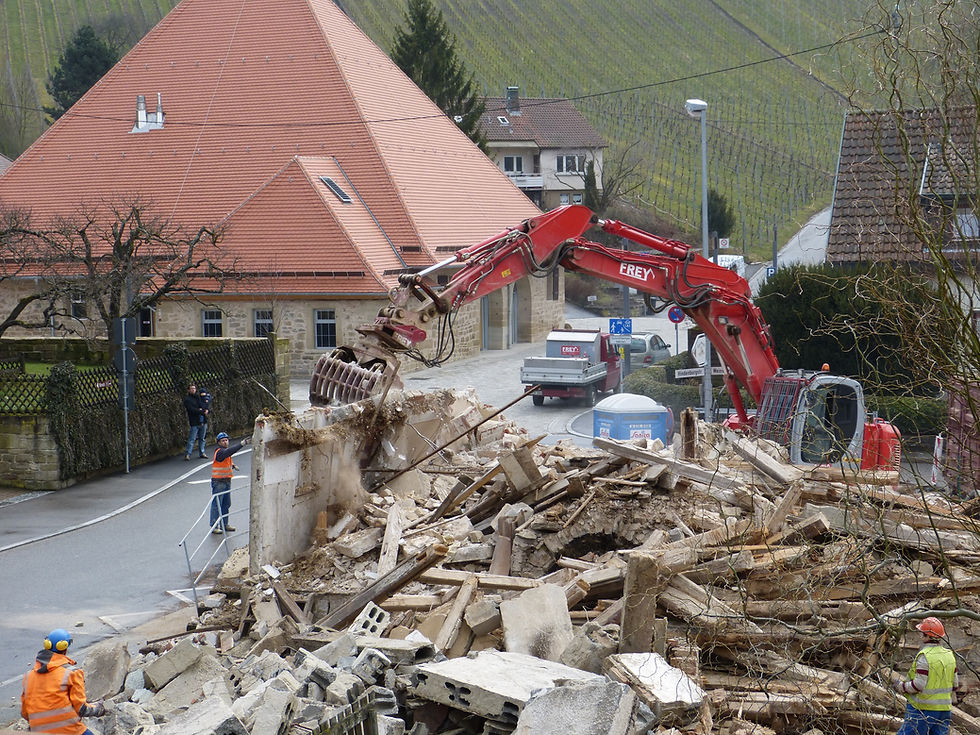
Demolition work comes with risks that few other trades face. One mistake can damage nearby buildings, underground utilities, expensive equipment, or even lead to injuries on the job site. That's why understanding demolition insurance claims before something goes wrong is just as important as having the right equipment on site.

Many contractors assume every accident will be covered by insurance. Unfortunately, that's not how commercial insurance works. Whether a claim is paid often depends on the type of policy, how the loss happened, and whether the work was performed according to the policy's terms. Knowing what's typically covered and what's commonly excluded can help protect your business, reputation, and bottom line.
What Does Demolition Insurance Typically Cover?
Demolition insurance claims may cover property damage, bodily injury, equipment losses, employee injuries, vehicle accidents, and certain pollution incidents depending on the policies purchased and the specific circumstances of the claim. However, exclusions, policy limits, and contract requirements all affect whether coverage applies.
Every demolition contractor has different risks. That's why insurance usually consists of several policies working together rather than one all-in-one policy.
Why Demolition Contractors Face Higher Insurance Risks
Unlike many construction trades, demolition involves intentionally taking structures apart. Every project creates hazards including:
Falling debris
Dust and airborne contaminants
Structural collapse
Underground utility strikes
Heavy equipment operation
Traffic around job sites
Environmental contamination
Flying materials damaging nearby property
Because of these risks, general contractors (GCs), municipalities, and project owners often require contractors to carry multiple insurance policies and provide Certificates of Insurance (COIs) before work begins.
The Insurance Policies That May Apply to Demolition Claims
Understanding which policy responds to which type of loss helps avoid surprises during a claim.
General liability insurance protects your business if your work causes bodily injury or property damage to someone else. It is often the first policy involved in many demolition insurance claims.
It may help cover:
Damage to neighboring buildings
Broken windows caused by flying debris
Damage to customer property
Injuries to pedestrians or visitors
Legal defense costs if your business is sued
For example, if debris from a demolition project damages a neighboring warehouse, your general liability policy may respond depending on the circumstances and policy terms.
An inland marine policy, sometimes called an equipment floater, covers tools, machinery, and equipment while they move between job sites or are temporarily stored away from your main location.
This coverage may include:
Excavators
Skid steers
Hydraulic breakers
Compact loaders
Attachments
Survey equipment
Portable generators
If a hydraulic hammer is stolen from a secured job site, inland marine coverage may help pay for the loss depending on your policy.
Commercial Property Insurance
Commercial property insurance protects buildings, offices, storage yards, and business personal property at your primary business location.
It may help cover damage caused by:
Fire
Wind
Certain storms
Theft
Vandalism
However, equipment away from your main premises is usually covered under inland marine rather than commercial property insurance.
Workers' compensation insurance provides benefits for employees injured while performing job duties. It may cover:
Medical expenses
Lost wages
Rehabilitation costs
Disability benefits
Since demolition work involves heavy machinery, elevated work, and structural hazards, workers' compensation is one of the most important coverages for contractors.
Commercial Auto Insurance
Commercial auto insurance covers vehicles owned by the business while being used for work.
Claims may involve:
Dump trucks
Service trucks
Pickup trucks
Equipment trailers
If your employee causes an accident while hauling demolition equipment to a project, commercial auto insurance may help cover the damages depending on the policy.
Pollution Liability Insurance
Pollution liability insurance covers certain environmental losses that are often excluded under general liability policies.
Demolition projects sometimes uncover:
Asbestos
Lead paint
Fuel spills
Contaminated soil
Hazardous building materials
Cleanup costs can become expensive quickly, making pollution liability an important consideration for many demolition contractors.
For information about hazardous materials and demolition safety requirements, contractors can review guidance from the Occupational Safety and Health Administration (OSHA): https://www.osha.gov/.

Common Demolition Insurance Claims
Every demolition project is different, but certain claims appear more frequently than others.
Property Damage
Property damage claims often involve:
Damaged neighboring buildings
Broken fences
Cracked foundations
Damaged sidewalks
Utility lines
Landscaping
Many claims happen because debris travels farther than expected or equipment accidentally contacts nearby structures.
Equipment Theft
Heavy equipment remains a favorite target for thieves.
Common theft claims involve:
Excavators
Skid steers
Attachments
Trailers
Fuel tanks
Tools
Keeping equipment secured, using GPS tracking, and documenting serial numbers can reduce both losses and claim complications.
Utility Strikes
Even after requesting 811 locates, utility strikes can still happen if markings are inaccurate or conditions change.
Damaged utilities may include:
Water lines
Sewer lines
Gas mains
Electric cables
Fiber optic lines
Following safe digging practices and documenting locate requests is critical.
Contractors should always contact 811 before excavation. More information is available through the national 811 program at https://call811.com/.
Employee Injuries
Despite strong safety programs, injuries still occur from:
Falls
Equipment rollovers
Flying debris
Trench hazards
Crush injuries
Material handling
Workers' compensation typically addresses employee injury claims rather than general liability insurance.
Vehicle Accidents
Moving heavy machinery between projects increases the risk of roadway accidents involving company vehicles and trailers.
Commercial auto insurance may help cover repair costs, injuries, and legal expenses depending on the policy.
What's Commonly Excluded From Demolition Insurance Claims?
Insurance is designed to cover many unexpected events, but it also contains exclusions. Understanding these exclusions helps contractors avoid costly surprises.
Common exclusions may include:
Intentional damage
Poor workmanship
Contract disputes
Normal wear and tear
Equipment breakdown caused by mechanical failure alone
Known pollution conditions without appropriate coverage
Work outside the policy's stated operations
Employee injuries under general liability
Damage caused by failing to maintain equipment
For example, if an excavator engine fails because it was never properly maintained, that mechanical breakdown generally would not be covered under a standard liability policy.
Factors That Affect Whether a Claim Is Covered
Coverage depends on much more than simply having an insurance policy.
Several factors influence claim outcomes:
The exact wording of the policy
Policy exclusions
Coverage limits
Deductibles
Whether subcontractors carried required insurance
Whether safety procedures were followed
Documentation from the job site
Contract requirements
State insurance laws
Even two contractors performing similar work may receive different claim outcomes because their policies differ.
How Contractors Can Strengthen Future Insurance Claims
Good documentation often makes the claims process smoother.
Consider keeping records such as:
Daily job logs
Equipment inspections
Maintenance records
Employee safety meetings
Photos before work begins
Photos after work is completed
Signed contracts
Change orders
811 locate confirmations
Incident reports
The more information you can provide, the easier it becomes to explain what happened.
Reducing the Chances of a Denied Claim
Insurance companies evaluate whether contractors followed reasonable risk management practices.
Simple habits can make a difference:
Verify project scopes carefully.
Maintain equipment regularly.
Train operators on safety procedures.
Keep Certificates of Insurance (COIs) from subcontractors.
Follow OSHA safety standards.
Document pre-existing property conditions.
Perform regular job site inspections.
Secure equipment after work hours.
Report incidents promptly.
These practices not only improve safety but also create valuable documentation if a claim occurs.
Choosing Insurance That Fits Your Demolition Business
Every demolition company operates differently. A residential interior demolition contractor has different exposures than a contractor performing commercial building demolition or bridge removal.
When reviewing your insurance program, consider:
Types of demolition projects
Annual payroll
Equipment values
Number of employees
States where you operate
Use of subcontractors
Environmental exposures
Contract requirements from GCs and municipalities
Premiums vary widely depending on these factors, along with your claims history, business size, coverage limits, and the insurance company underwriting the policy.
Working with a licensed insurance agent who understands demolition and excavation businesses can help ensure your coverage matches your actual operations rather than relying on a generic contractor policy.
Frequently Asked Questions
Does general liability insurance cover all demolition claims?
No. General liability insurance typically covers third-party bodily injury and property damage, but it does not cover every type of loss. Equipment damage, employee injuries, pollution events, and commercial vehicle accidents often require separate policies.
Is equipment theft covered under demolition insurance?
It may be. Equipment theft is commonly handled under inland marine insurance, which covers mobile equipment while it is transported or located at job sites, depending on policy terms.
Are underground utility strikes always covered?
Not always. Coverage depends on the circumstances, policy language, and whether proper safety procedures, including 811 locates, were followed.
Does demolition insurance cover asbestos removal?
Not automatically. Standard liability policies often exclude pollution-related claims. Contractors handling asbestos or other hazardous materials should discuss pollution liability coverage with a licensed insurance agent.
What should I do immediately after an insurance claim?
Protect people from further harm, document the damage with photos, notify the property owner if necessary, preserve evidence, and report the incident to your insurance company as soon as possible. Keep all records related to the project and cooperate throughout the claims process.
Protect Your Demolition Business Before the Next Claim
No contractor expects an accident, equipment theft, or property damage, but every demolition project carries risk. Having the right combination of general liability, inland marine, workers' compensation, commercial auto, pollution liability, and other coverages can help your business recover when unexpected events occur, depending on your policy's terms and conditions.
At Excavating Insurance Partners, we understand the unique risks demolition contractors face every day. Whether you perform selective demolition, structural demolition, or site clearing, our team can help you review your operation and recommend insurance solutions tailored to your business. Contact us today to request a free, no-obligation quote and speak with a licensed insurance professional about the coverage that fits your demolition operation.


Comments