
Pollution Liability for Demolition Contractors: Why GL Isn't Enough
Updated: Sep 2
Demolition work comes with risks that go far beyond falling debris and damaged property. Every project has the potential to release hazardous materials, contaminate soil, or create airborne pollution that could lead to expensive cleanup costs and legal claims. That's why pollution liability for demolition contractors is becoming one of the most important insurance coverages in the industry.
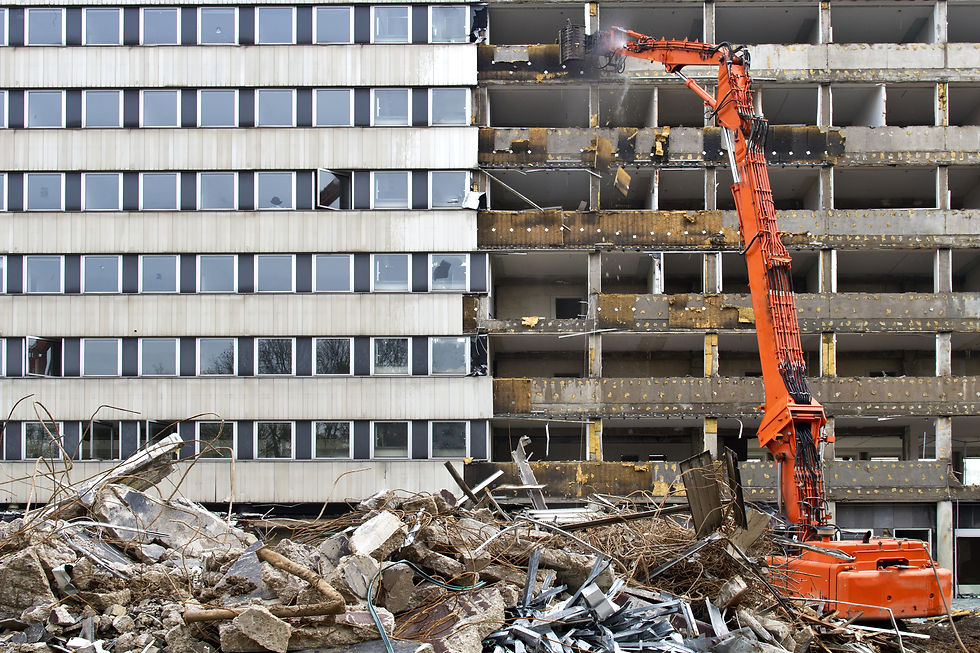
Many contractors assume their general liability (GL) policy will handle pollution-related claims. Unfortunately, that's often not the case. Understanding where general liability stops and pollution liability begins can help protect your business, your reputation, and your ability to win future work.
Does General Liability Cover Pollution Claims?
A general liability (GL) policy, which protects your business against many third-party claims involving bodily injury, property damage, and advertising injury, typically contains a pollution exclusion. This means many claims involving contaminants, hazardous materials, or environmental cleanup may not be covered.
A pollution liability policy, on the other hand, is designed specifically to address environmental risks that demolition contractors may face during their operations. Coverage depends on the policy, but it may include claims involving accidental pollution events, cleanup costs, legal defense expenses, and third-party bodily injury or property damage caused by pollution.
Because demolition work often involves disturbing older buildings, underground materials, and contaminated sites, pollution liability fills an important gap that general liability often leaves behind.
Why Demolition Contractors Face Higher Pollution Risks
Every demolition project changes a property. Walls come down, foundations are removed, and buried materials are uncovered. Sometimes contractors discover hazardous materials that were never identified during pre-job inspections.
Common pollution exposures include:
Asbestos released during demolition
Lead paint dust
Fuel spills from heavy equipment
Hydraulic fluid leaks
Contaminated soil
Underground storage tanks
Mold exposure
Chemical residue from former industrial sites
Dust migrating onto neighboring properties
Stormwater carrying pollutants off-site
Even when your crew follows proper procedures, unexpected conditions can create costly environmental claims.
Before any excavation begins, contractors should also follow safe digging practices, including contacting 811 for utility locates. The national safe digging system provides valuable information about underground utilities before excavation starts. Learn more at https://call811.com/.
Common Pollution Claims During Demolition Projects
Environmental claims do not always involve major disasters. Many begin with relatively small incidents that become expensive because cleanup requirements are strict.
Fuel and Hydraulic Fluid Spills
Excavators, skid steers, bulldozers, and other heavy equipment operate with diesel fuel, hydraulic oil, and other fluids.
A ruptured hose or overturned fuel tank can allow contaminants to enter:
Soil
Storm drains
Nearby streams
Wetlands
Neighboring properties
Cleanup may require specialized environmental contractors and government oversight.
Asbestos Disturbance
Many older commercial and residential buildings contain asbestos insulation, flooring, roofing, or pipe coverings.
If asbestos fibers become airborne during demolition, property owners, neighboring businesses, or workers may allege bodily injury or improper handling of hazardous materials.
Lead Paint Dust
Structures built before modern lead paint regulations often contain lead-based coatings.
Improper demolition practices may allow dust to travel beyond the job site, potentially leading to property damage claims or allegations of bodily injury.
Unknown Contaminated Soil
A contractor removing foundations may discover petroleum contamination, industrial chemicals, or buried waste.
While the contractor did not create the contamination, disturbing it can sometimes trigger expensive environmental response requirements.
Why Pollution Claims Can Become So Expensive
Unlike many property damage claims, pollution losses often involve several different costs occurring at the same time.
A single incident may include:
Environmental testing
Soil sampling
Laboratory analysis
Government reporting
Cleanup contractors
Waste transportation
Specialized disposal facilities
Legal defense
Third-party lawsuits
Project delays
Even relatively small contamination events can become lengthy and expensive due to environmental regulations.
For information about workplace safety during demolition activities, contractors can review guidance from OSHA at https://www.osha.gov/demolition.
What Pollution Liability Insurance Typically Covers
Every policy is different, but pollution liability insurance may protect environmental exposures that general liability typically excludes.
Depending on the policy, coverage may include:
Third-Party Bodily Injury
If someone alleges illness or injury caused by pollution resulting from your operations, the policy may help respond to covered claims.
Third-Party Property Damage
Pollutants that spread onto neighboring property may result in property damage claims.
Environmental Cleanup Costs
Certain policies may help pay for cleanup expenses required after a covered pollution event.
Legal Defense
Environmental lawsuits can be expensive to defend, even if your company ultimately is not found responsible.
Many pollution liability policies may help cover legal defense costs for covered claims.
Emergency Response
Some policies include coverage for emergency response expenses needed immediately after a pollution incident.
Why General Liability Isn't Enough
General liability remains one of the most important insurance policies for demolition contractors.
It typically helps protect against claims involving:
Damage to a customer's property
Third-party bodily injury
Completed operations
Legal defense for covered liability claims
However, pollution exclusions often remove many environmental claims from coverage.
For demolition contractors, this creates a significant gap because pollution-related incidents are a real possibility on many projects.
That is why many contractors carry both general liability and pollution liability insurance instead of relying on one policy alone.
Other Insurance Coverages Demolition Contractors Should Consider
Pollution liability works best as part of a complete insurance program rather than as a standalone policy.
General liability protects against many common third-party claims involving bodily injury and property damage that are not excluded under the policy.
Many project owners and general contractors require proof of this coverage before work begins.
Commercial auto insurance covers vehicles owned by the business while traveling between jobsites.
Dump trucks, pickup trucks, service vehicles, and trailers all create significant liability exposures.
An inland marine policy, sometimes called an equipment floater, protects tools and equipment while they move between jobsites or are stored away from your main location.
For demolition contractors transporting expensive attachments and machinery, this coverage can be essential.
Workers' Compensation Insurance
Workers' compensation provides benefits to employees who suffer work-related injuries or illnesses, as required by state law.
Demolition work involves heavy equipment, elevated work, dust exposure, and physically demanding labor, making this coverage especially important.
Commercial Umbrella Insurance
A commercial umbrella policy provides additional liability limits above certain underlying policies when covered claims exceed those limits.
Contractors working on large commercial projects often choose higher liability limits to satisfy contract requirements.

Pollution Liability Can Help You Win More Work
Insurance isn't only about protecting your company after an accident.
Many project owners, municipalities, developers, and general contractors review insurance requirements before awarding contracts.
Projects involving:
Schools
Hospitals
Government facilities
Industrial sites
Older commercial buildings
may request evidence of pollution liability insurance before work begins.
Having the appropriate coverage can make your company more competitive during the bidding process.
Factors That Affect Pollution Liability Insurance Costs
There is no standard premium for pollution liability insurance.
Pricing varies based on factors such as:
Type of demolition work
Annual revenue
Payroll
Number of employees
Claims history
Types of structures demolished
Geographic location
Coverage limits selected
Deductibles
Environmental controls and safety procedures
Some contractors performing occasional residential demolition may have very different insurance needs than companies handling industrial demolition or environmental remediation projects.
A licensed insurance agent can help evaluate the right level of protection for your operation.
Risk Management Tips to Reduce Pollution Claims
Insurance is only one part of managing environmental risk.
Good contractors also invest in strong jobsite practices.
Consider these best practices:
Complete environmental assessments before demolition begins.
Verify hazardous material surveys when required.
Call 811 before excavation starts.
Train employees on spill response procedures.
Maintain heavy equipment to reduce leaks.
Store fuels and chemicals properly.
Document inspections before, during, and after projects.
Keep spill response kits available on every jobsite.
Follow all federal, state, and local environmental regulations.
Maintain written safety and environmental procedures.
These practices may reduce the likelihood of pollution incidents and demonstrate professionalism to clients.
Choosing the Right Insurance Partner
Not every insurance agency understands demolition operations.
A contractor who demolishes commercial buildings, removes foundations, or clears industrial sites faces different exposures than a general contractor or handyman.
Working with an agency that understands demolition, excavation, heavy equipment, contract requirements, and environmental risks can help ensure your policies match your actual operations.
An experienced licensed agent can explain policy exclusions, identify potential coverage gaps, and recommend insurance solutions that fit your business.
Frequently Asked Questions
Does general liability insurance cover pollution?
Usually not. Most general liability policies include pollution exclusions, meaning many environmental claims may not be covered. Always review your policy with a licensed insurance agent.
Is pollution liability insurance required?
Requirements vary by project, customer, state, and contract. Some municipalities, general contractors, and commercial property owners may require pollution liability coverage before awarding work.
Does pollution liability cover asbestos?
Depending on the policy, some pollution liability policies may provide coverage for asbestos-related claims. Coverage varies, so review the policy carefully with your agent.
Can fuel spills from heavy equipment be covered?
Depending on the circumstances and policy language, pollution liability insurance may help cover certain fuel or hydraulic fluid spill claims, including cleanup expenses and third-party liability.
How much does pollution liability insurance cost?
Premiums vary widely depending on your operations, payroll, claims history, project types, location, coverage limits, and other underwriting factors. A licensed insurance agent can provide a quote based on your specific business.
Protect Your Demolition Business Before a Pollution Claim Happens
Environmental claims can be some of the most expensive losses a demolition contractor faces. While general liability insurance remains an essential part of your insurance program, it often does not address many pollution-related exposures. Adding pollution liability insurance may help close that gap and better protect your business from unexpected environmental risks.
If you're unsure whether your current coverage is enough, contact Excavating Insurance Partners for a free, no-obligation quote. A licensed agent can review your operations, explain your options, and help build an insurance program tailored to your demolition business. After all, paperwork is far cheaper than discovering a coverage gap while standing next to an excavator leaking hydraulic fluid into a creek. The creek never appreciates surprises, and neither do insurance policies.


Comments