
How Much Does Demolition Contractor Insurance Cost in Missouri?
Updated: Sep 2

So, how much does demolition contractor insurance cost in Missouri? The answer depends on several factors, including the size of your business, the type of demolition work you perform, the value of your equipment, and your claims history. Missouri's mix of urban redevelopment, aging industrial properties, rural agricultural structures, and transportation infrastructure projects creates a unique set of risks that insurance companies evaluate carefully.
How Much Does Demolition Contractor Insurance Cost in Missouri? Quick Answer
Demolition contractor insurance costs in Missouri vary based on factors such as:
Annual revenue
Payroll
Employee count
Type of demolition work
Equipment values
Vehicle fleet size
Claims history
Subcontractor usage
Coverage limits
As a general estimate:
Small demolition contractors may spend approximately $2,500 to $12,000 annually for core insurance coverages.
Mid-sized demolition businesses often invest $12,000 to $60,000+ annually in insurance protection.
Large commercial, industrial, and infrastructure demolition contractors may spend substantially more.
These figures are estimates only. Actual premiums vary significantly based on payroll, equipment schedules, project types, state regulations, claims history, and carrier underwriting guidelines.
Why Demolition Insurance Costs Can Be Higher Than Other Contractor Policies
Demolition is often viewed as a higher-risk construction trade.
Unlike contractors who build structures, demolition contractors intentionally dismantle them. This creates risks that many other trades do not face.
Common demolition exposures include:
Structural collapse
Falling debris
Equipment accidents
Dust migration
Utility strikes
Environmental contamination
Third-party property damage
Employee injuries
Insurance companies typically examine these risks closely when pricing policies.
What Makes Missouri Demolition Contractors Unique?
Missouri has a diverse construction environment.
Contractors may work on:
Urban redevelopment projects
Historic building removal
Agricultural facility demolition
Manufacturing plant demolition
Transportation infrastructure projects
Commercial property redevelopment
In cities like St. Louis and Kansas City, demolition contractors often encounter older structures that may contain unexpected risks, including obsolete utilities, deteriorated materials, and environmental concerns.
Meanwhile, rural contractors may specialize in removing barns, grain facilities, agricultural buildings, and other structures across large geographic areas.
This variety of work can have a direct impact on insurance costs.
Factors That Affect Demolition Insurance Costs in Missouri
Type of Demolition Work Performed
Not all demolition projects carry the same risk profile.
Insurance companies frequently differentiate between:
Residential demolition
Interior demolition
Selective demolition
Commercial demolition
Industrial demolition
Bridge demolition
Structural demolition
For example, selectively removing walls inside an office building generally presents different exposures than demolishing a former manufacturing facility.
The more hazardous the operation, the more carefully insurers typically evaluate the risk.
Urban Redevelopment Projects
Missouri continues to see redevelopment activity in many older urban areas.
Demolition contractors working near:
Occupied buildings
Retail districts
Apartment complexes
Historic properties
often face greater third-party exposure.
A mistake on a downtown demolition project may have much different consequences than one on a remote rural site.
Equipment Values
Demolition contractors rely heavily on specialized equipment.
Common examples include:
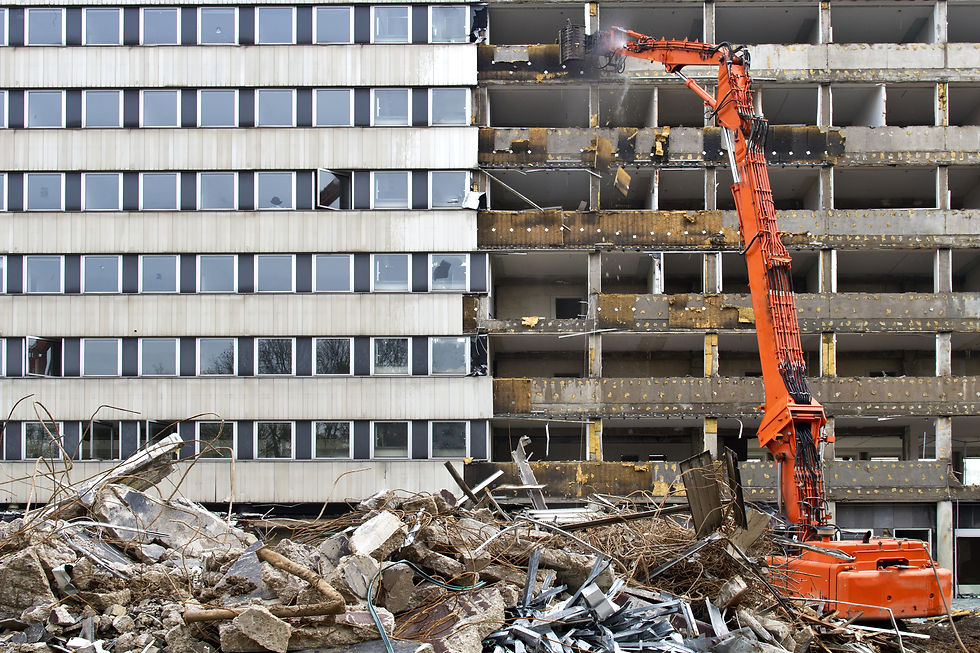
High-reach excavators
Hydraulic breakers
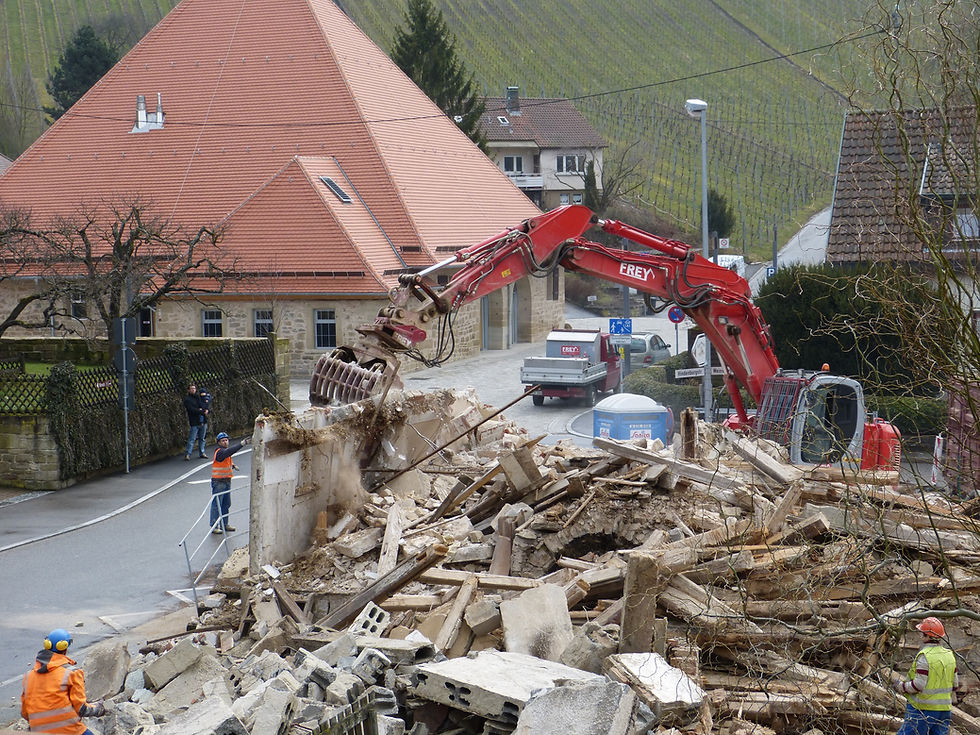
Demolition grapples
Shears
Wheel loaders
Skid steers
Roll-off containers
As equipment values increase, insurance costs often increase as well.
Payroll and Employee Count
Workers' compensation costs are heavily affected by payroll and workforce size.
Demolition crews regularly perform physically demanding work involving:
Debris removal
Concrete breaking
Structural dismantling
Heavy equipment operation
Material processing
Larger crews generally create more opportunities for workplace injuries, which can influence insurance pricing.
Claims History
Insurance underwriters frequently review prior losses before offering coverage.
Common claims may involve:
Equipment damage
Employee injuries
Vehicle accidents
Property damage
Utility strikes
Environmental incidents
A contractor with a clean claims history may be viewed more favorably than a business with multiple recent losses.
General Liability Insurance Costs
General liability insurance helps protect demolition contractors from claims involving third-party bodily injury, property damage, and certain legal defense expenses, depending on policy terms.
Potential claims may include:
Damage to neighboring property
Injury allegations involving non-employees
Damage caused by demolition debris
Certain completed operations claims
Many Missouri demolition contractors commonly see annual general liability premiums ranging from approximately $3,000 to $18,000 or more, depending on project size, revenues, and demolition operations.
Contractors involved in structural, industrial, or municipal demolition work often experience higher premiums than contractors focused on smaller residential projects.
These figures are estimates only.
Workers' Compensation Insurance Costs
Workers' compensation insurance provides benefits to employees who suffer work-related injuries or illnesses.
Because demolition involves significant physical hazards, workers' compensation is often one of the largest insurance expenses for demolition companies.
Common injury exposures include:
Struck-by incidents
Falls
Equipment accidents
Material handling injuries
Cutting and crushing injuries
Structural collapse incidents
Premiums typically depend on:
Payroll
Employee classifications
Claims history
Safety programs
Experience modification ratings
Missouri employers can learn more about workers' compensation requirements through the Missouri Department of Labor and Industrial Relations:
Commercial Auto Insurance Costs
Most demolition companies operate multiple vehicles daily.
Commercial auto insurance helps protect vehicles used for business purposes and may respond to covered accidents involving company-owned vehicles.
Typical vehicles include:
Dump trucks
Roll-off trucks
Pickup trucks
Service vehicles
Equipment trailers
Lowboy trailers
Factors affecting commercial auto premiums include:
Driver experience
Vehicle type
Fleet size
Accident history
Operating territory
Contractors traveling between multiple job sites across Missouri may have different exposures than those operating primarily within one metropolitan area.
Inland Marine Insurance for Demolition Equipment
Demolition equipment rarely stays in one location.
That's why many contractors carry inland marine insurance, often called an equipment floater. This coverage helps protect covered equipment while it is being transported between job sites or used away from the contractor's primary location.
Equipment commonly insured includes:
Excavators
Hydraulic breakers
Demolition shears
Loaders
Skid steers
Attachments
Premiums are generally influenced by:
Equipment values
Equipment age
Theft exposure
Geographic territory
Deductible selections
For contractors with expensive specialized equipment, inland marine coverage is often one of the most important parts of the insurance program.
Pollution Liability Coverage
Environmental exposures are a significant concern for demolition contractors.
Pollution liability insurance may help address certain claims involving environmental contamination, pollution conditions, or cleanup costs, depending on policy language.
Potential exposures include:
Fuel spills
Hydraulic fluid leaks
Lead-containing materials
Asbestos concerns
Contaminated soil
Demolition debris contamination
This coverage is worth discussing with a licensed insurance professional, especially for contractors working on older commercial or industrial sites.

Older Industrial Buildings Create Additional Risks
One factor that makes Missouri unique is its inventory of older industrial and manufacturing properties.
Demolition contractors are often hired to remove:
Former warehouses
Manufacturing facilities
Grain elevators
Processing plants
Industrial structures
These projects frequently present challenges such as:
Unknown underground utilities
Environmental hazards
Aging structural components
Limited project documentation
Insurance carriers often evaluate these projects more carefully due to the increased risk profile.
Utility Damage Prevention Matters
Utility strikes are among the most common losses affecting demolition and excavation contractors.
Before demolition or excavation begins, Missouri contractors should always contact Missouri 811:
Proper utility locating helps reduce the risk of damaging:
Gas lines
Electric systems
Water infrastructure
Sewer systems
Fiber optic networks
Documenting utility locate requests is an important part of risk management and may become valuable if a dispute arises later.
How Missouri Demolition Contractors Can Help Control Insurance Costs
While no contractor can eliminate every risk, there are several ways to strengthen your insurance profile.
Invest in Safety Training
Regular safety meetings and ongoing education can help reduce:
Employee injuries
Property damage
Equipment incidents
Utility strike claims
Conduct Thorough Pre-Demolition Assessments
Evaluate structures carefully before work begins.
This may help identify:
Utility hazards
Environmental concerns
Structural risks
Access issues
Protect Equipment
Equipment theft remains a significant concern throughout the construction industry.
Consider:
GPS tracking systems
Fenced storage yards
Security cameras
Immobilization devices
Maintain Strong Documentation
Keep records of:
Safety meetings
Equipment inspections
Utility locate requests
Demolition plans
Incident investigations
Good documentation demonstrates professionalism and supports effective risk management.
Work With a Specialized Insurance Agency
Demolition contractors face risks that many general insurance agencies rarely encounter.
An agency experienced with demolition, excavation, site work, heavy equipment, and environmental exposures can help identify potential coverage gaps and customize a policy package for your business.
Frequently Asked Questions
Is demolition contractor insurance expensive in Missouri?
Demolition is generally considered a higher-risk trade, so insurance costs are often higher than those for some other contractor classifications. Actual pricing depends on payroll, equipment, claims history, and project types.
What insurance does a demolition contractor need in Missouri?
Many demolition contractors carry general liability, workers' compensation, commercial auto, inland marine equipment coverage, and pollution liability coverage based on their operations.
Does industrial demolition cost more to insure?
Often, yes. Industrial projects may involve larger structures, environmental concerns, and more complex risk exposures.
Why is inland marine coverage important?
Inland marine insurance helps protect equipment while it is transported between job sites or being used away from your primary business location.
Can demolition claims affect future premiums?
Yes. Claims history is commonly reviewed during underwriting and may influence future insurance pricing and coverage options.
Get a Free Missouri Demolition Contractor Insurance Quote
Whether you specialize in residential tear-downs, commercial redevelopment projects, industrial demolition, agricultural structure removal, or site clearing, the right insurance program is essential to protecting your business.
Excavating Insurance Partners specializes in insurance solutions for demolition contractors, excavation contractors, site-work companies, utility contractors, land clearing businesses, drilling contractors, septic installers, and heavy equipment operators throughout Missouri and across the United States. Contact us today for a free quote and speak with a licensed insurance professional who understands the unique risks demolition contractors face every day.

Comments