
How Much Does Demolition Contractor Insurance Cost in Pennsylvania?
Updated: Sep 2
If you operate a demolition company in Pennsylvania, you've probably asked yourself how much insurance should cost and why premiums can vary so much between contractors. Whether you're tearing down old industrial buildings in Pittsburgh, performing selective demolition in Philadelphia, removing aging structures in Scranton, or handling site-clearing projects in rural parts of the state, insurance is a major part of your operating budget.

The reality is that demolition contractor insurance in Pennsylvania is often more complex than many other contractor insurance programs. Demolition contractors work around aging buildings, underground utilities, environmental hazards, neighboring structures, and expensive equipment. Those risks can influence both coverage requirements and insurance costs.
How Much Does Demolition Contractor Insurance Cost in Pennsylvania? Quick Answer
Demolition contractor insurance costs in Pennsylvania depend on several factors, including:
Annual revenue
Payroll
Number of employees
Type of demolition work performed
Equipment values
Commercial vehicle fleet size
Claims history
Geographic service area
Coverage limits
As a general estimate:
Small demolition contractors handling residential tear-downs or selective demolition projects may spend approximately $3,000 to $15,000 annually for core insurance coverages.
Mid-sized demolition contractors often invest $15,000 to $80,000+ annually in insurance protection.
Large commercial, industrial, bridge, and infrastructure demolition contractors may pay substantially more.
These figures are estimates only. Actual premiums vary based on payroll, equipment schedules, project scope, claims history, and insurance carrier underwriting guidelines.
Why Pennsylvania Demolition Contractors Face Unique Risks
Pennsylvania presents a very different risk landscape than many states.
The state contains:
Historic urban centers
Aging industrial facilities
Former manufacturing plants
Coal and energy infrastructure
Dense utility networks
Redevelopment zones
Many demolition projects involve structures that are decades old and may contain unknown conditions.
Contractors often encounter:
Abandoned utilities
Aging building materials
Structural instability
Environmental concerns
Tight jobsite conditions
These exposures can significantly affect insurance underwriting and pricing.
Pennsylvania's Redevelopment Market Creates Opportunity and Risk
Cities such as Philadelphia, Pittsburgh, Allentown, Erie, and Reading continue to see redevelopment activity that requires demolition services before new construction can begin.
Many demolition contractors work on:
Former warehouses
Manufacturing facilities
Multi-family housing projects
Commercial redevelopment sites
Mixed-use developments
Unlike new construction sites with clean plans and recent utility records, redevelopment projects often involve hidden risks that increase exposure to claims.
Insurance carriers may view these projects differently than rural barn removal or open-lot site clearing operations.
What Factors Affect Demolition Insurance Costs in Pennsylvania?
Type of Demolition Work
The kind of demolition you perform plays a major role in pricing.
Examples include:
Residential demolition
Interior demolition
Structural demolition
Commercial demolition
Industrial demolition
Bridge demolition
Site clearing
A contractor removing drywall and interior fixtures faces different risks than one bringing down a former steel fabrication facility.
The more complex the project, the more carefully insurers typically evaluate the risk.
Older Industrial Properties
Pennsylvania has a long industrial history.
Many contractors demolish:
Factories
Warehouses
Processing facilities
Mills
Distribution centers
Manufacturing buildings
Older structures can create additional concerns involving:
Structural deterioration
Environmental contamination
Underground tanks
Unknown utility systems
Projects involving these properties often require additional risk assessment.
Equipment Values
Demolition contractors rely on specialized equipment that can represent a significant investment.
Examples include:
Excavators
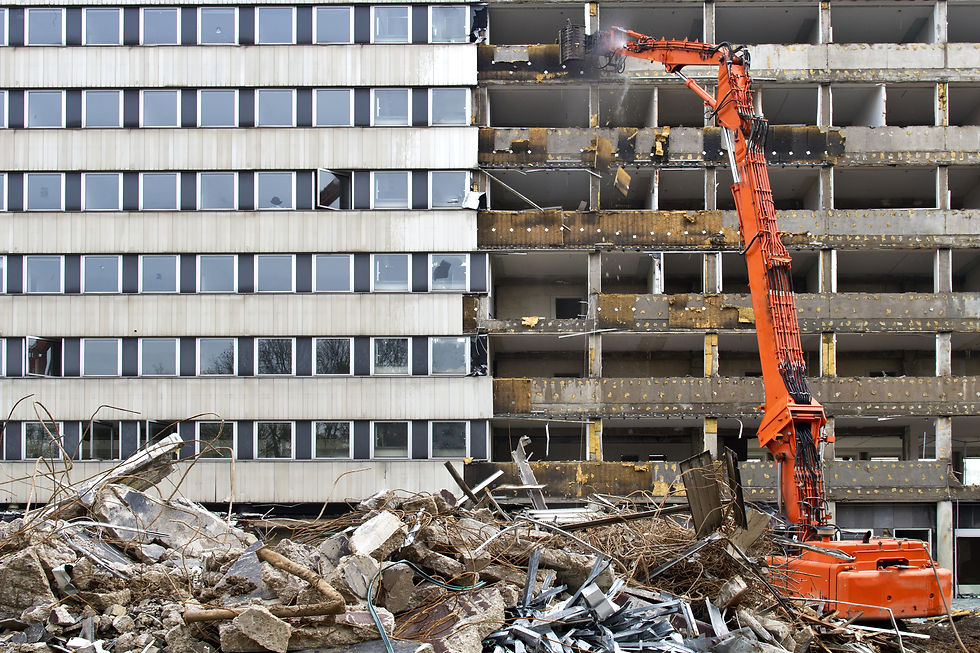
High-reach demolition excavators
Hydraulic breakers
Concrete processors
Shears
Grapples
Wheel loaders
Skid steers
As equipment values increase, insurance costs generally increase as well because there is more property at risk.
Payroll and Workforce Size
Workers' compensation costs are heavily influenced by payroll.
Demolition employees routinely perform hazardous work involving:
Heavy machinery
Debris removal
Structural dismantling
Elevated work
Material recycling operations
Larger payrolls generally create greater exposure and may increase insurance costs.
Claims History
Insurance carriers often review prior losses closely.
Common demolition-related claims include:
Property damage
Employee injuries
Equipment theft
Equipment damage
Vehicle accidents
Environmental incidents
Contractors with strong safety records are often viewed more favorably than companies with multiple recent claims.
General Liability Insurance Costs
General liability insurance helps protect demolition contractors against claims involving third-party bodily injury, property damage, and certain legal defense expenses, depending on policy terms.
Examples of situations where this coverage may respond include:
Damage to neighboring buildings
Injury claims involving pedestrians or visitors
Debris-related property damage
Certain completed operations claims
Many Pennsylvania demolition contractors commonly see annual general liability premiums ranging from approximately $3,500 to $25,000 or more, depending on revenue, project scope, subcontractor usage, and operational hazards.
Contractors performing structural demolition in urban environments frequently face different pricing than contractors focused primarily on rural residential work.
These figures are estimates only.
Workers' Compensation Insurance Costs
Workers' compensation insurance provides benefits for employees who suffer work-related injuries or illnesses.
Demolition remains one of the more physically demanding trades in the construction industry.
Common injury exposures include:
Falling debris
Structural collapses
Equipment accidents
Material handling injuries
Slip-and-fall incidents
Dust-related exposures
Workers' compensation premiums are often influenced by:
Payroll
Job classifications
Claims history
Safety programs
Experience modification ratings
Pennsylvania employers can review workers' compensation requirements through the Pennsylvania Department of Labor & Industry:
For many demolition businesses, workers' compensation is among the largest insurance expenses they carry.
Commercial Auto Insurance Costs
Demolition companies depend on commercial vehicles every day.
Commercial auto insurance helps protect trucks and other business-owned vehicles when covered accidents occur.
Commonly insured vehicles include:
Dump trucks
Roll-off trucks
Pickup trucks
Flatbeds
Service vehicles
Equipment trailers
Lowboy trailers
Pricing is typically affected by:
Driver history
Vehicle values
Fleet size
Operating radius
Claims experience
Contractors operating throughout Pennsylvania often face a mix of urban congestion, mountainous terrain, and winter-weather driving exposures.
Inland Marine Insurance for Demolition Equipment
Most demolition equipment spends its time moving from one project to another.
That's why many contractors purchase inland marine insurance, often referred to as an equipment floater. This coverage helps protect covered equipment while it is transported between job sites or being used away from the contractor's primary business location.
Coverage may apply to:
Excavators
High-reach machines
Breakers
Grapples
Shears
Loaders
Attachments
Premiums are generally influenced by:
Equipment values
Equipment type
Theft exposure
Deductibles
Geographic territory
For many demolition contractors, inland marine coverage is one of the most valuable parts of their insurance program.
Pollution Liability Coverage
Environmental risk is often a major issue in Pennsylvania demolition projects.
Pollution liability insurance may help address certain claims involving environmental contamination, cleanup costs, or pollution conditions depending on the policy language.
Potential exposures include:
Fuel spills
Hydraulic fluid releases
Contaminated soil
Lead-containing materials
Environmental cleanup demands
Demolition debris contamination
Contractors working on industrial, commercial, or redevelopment projects often discuss pollution liability coverage with a licensed insurance professional because standard liability coverage may not address every environmental exposure.

Utility Damage Risks in Pennsylvania
Utility damage remains one of the most expensive risks facing demolition and excavation contractors.
Pennsylvania's older cities often contain dense networks of:
Electric lines
Fiber optic systems
Water mains
Sewer systems
Natural gas infrastructure
Before demolition or excavation begins, contractors should request utility locates through Pennsylvania One Call:
Proper utility locating helps reduce the risk of costly service interruptions, repair expenses, and liability claims.
Why Historic Buildings Can Affect Insurance Costs
Pennsylvania contains thousands of historic and aging structures.
Demolition projects involving older buildings often create additional concerns such as:
Structural instability
Unknown building materials
Shared walls
Limited documentation
Tight work zones
Demolition contractors working in historic districts may face increased underwriting scrutiny because of the potential for damage to surrounding structures.
How Pennsylvania Demolition Contractors Can Help Control Insurance Costs
While no contractor can eliminate risk entirely, strong operating practices can help improve an insurance profile.
Invest in Safety Training
Regular safety meetings and field training can help reduce:
Injury claims
Property damage incidents
Equipment losses
Vehicle accidents
Conduct Comprehensive Site Assessments
Pre-demolition planning helps identify:
Utility risks
Environmental concerns
Structural hazards
Access issues
Protect Equipment
Many contractors use:
GPS tracking
Secured storage yards
Cameras
Equipment immobilizers
to reduce theft and vandalism exposures.
Maintain Thorough Documentation
Keep records of:
Safety meetings
Utility locate requests
Equipment inspections
Training logs
Incident investigations
Strong documentation supports both risk management and claims handling.
Work With a Specialized Contractor Insurance Agency
Demolition contractors face unique risks that many insurance agencies seldom encounter.
Working with an agency experienced in demolition, excavation, utility work, site development, and heavy equipment operations can help ensure your coverage reflects your actual exposures.
Frequently Asked Questions
Is demolition contractor insurance expensive in Pennsylvania?
Demolition is generally considered a higher-risk trade, so insurance costs are often higher than many standard construction classifications. Costs vary significantly based on operations and exposure.
What insurance does a demolition contractor need?
Many demolition contractors carry general liability, workers' compensation, commercial auto, inland marine equipment coverage, and pollution liability coverage depending on their operations.
Do older industrial buildings affect insurance costs?
They can. Older structures often create additional environmental and structural risks that insurers may evaluate during underwriting.
Why is inland marine insurance important?
Inland marine insurance helps protect covered equipment while it is transported between job sites or being used away from the contractor's primary business location.
Can utility strikes increase future insurance costs?
Potentially. Utility damage claims may impact future underwriting decisions, depending on the circumstances and claims history.
Get a Free Pennsylvania Demolition Contractor Insurance Quote
Whether you specialize in residential tear-downs, commercial redevelopment projects, industrial demolition, site clearing, selective demolition, or structural dismantling, having the right insurance program is essential to protecting your business.
Excavating Insurance Partners specializes in insurance solutions for demolition contractors, excavation contractors, utility contractors, land clearing companies, site-work contractors, drilling contractors, septic installers, and heavy equipment operators throughout Pennsylvania and across the United States. Contact us today for a free quote and speak with a licensed insurance professional who understands the unique risks Pennsylvania demolition contractors face every day.

Comments