
Excavation Contractor Insurance in Salt Lake City: Coverage for Hillside, Foundation, and Utility Work
Excavation contractors in Salt Lake City face a unique combination of risks. One project may involve foundation excavation for a new residential development near the foothills, while the next may require utility trenching through urban infrastructure or grading work on steep terrain. The question isn't simply whether you need insurance. The real question is whether your coverage matches the risks created by the work you perform every day.
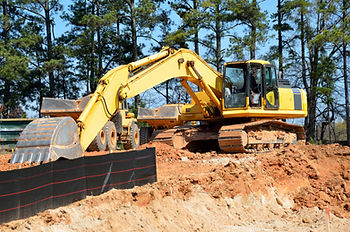
Excavation contractor insurance in Salt Lake City helps protect businesses involved in site preparation, utility installation, trenching, grading, land clearing, foundation excavation, and heavy equipment operations. Understanding the coverages commonly required by project owners, general contractors, lenders, and municipalities can help contractors avoid costly coverage gaps.
What Is Excavation Contractor Insurance?
Excavation contractor insurance is a combination of insurance policies designed to address the risks associated with earthmoving and site-work operations.
Most excavation businesses carry a combination of:
General liability insurance
Commercial auto insurance
Contractors equipment insurance
Workers' compensation coverage
Umbrella liability insurance
Pollution liability coverage
Inland marine insurance
The Short Answer
Salt Lake City excavation contractor insurance typically includes liability protection for third-party claims, coverage for business vehicles, insurance for excavators and other equipment, and workers' compensation for employees. Additional coverage may be needed for utility excavation, hillside projects, environmental exposures, and larger commercial contracts. Coverage requirements often come from general contractors, municipalities, project owners, and equipment lenders.
Why Salt Lake City Excavation Projects Create Unique Risks
Salt Lake City contractors regularly work in conditions that create exposures not found in every market.
Common challenges include:
Hillside excavation
Steep grading operations
Foundation excavation
Urban utility work
Rocky soil conditions
Drainage and erosion concerns
High-value residential developments
Roadway and infrastructure projects
Excavation mistakes can affect nearby structures, utilities, drainage systems, retaining walls, and adjacent properties.
As development continues along the Wasatch Front, many jobsites involve working in tight spaces near existing infrastructure where mistakes can become expensive quickly.
General Liability Insurance
General liability insurance is usually the foundation of an excavation contractor's insurance program.
This coverage may help address:
Third-party bodily injury claims
Third-party property damage claims
Legal defense expenses
Certain completed operations claims
For example, if grading work allegedly causes runoff that damages neighboring property, general liability insurance may respond depending on the policy language and circumstances of the claim.
Most project owners and general contractors require proof of liability coverage before work begins.
Commercial Auto Insurance
Excavation businesses rely heavily on vehicles for daily operations.
Commercial auto insurance may cover:
Dump trucks
Pickup trucks
Service trucks
Water trucks
Flatbeds
Utility vehicles
Whether transporting crews, hauling aggregate, or moving equipment between jobsites, contractors face vehicle-related liability exposures every day.
Commercial auto coverage is commonly required by project contracts and equipment finance agreements.
Contractors Equipment Insurance
For many excavation businesses, equipment represents one of their largest investments.
Contractors equipment insurance may help protect:
Excavators
Mini excavators
Bulldozers
Skid steers
Wheel loaders
Trenchers
Compactors
Attachments
GPS equipment
Coverage may apply to qualifying theft, fire, vandalism, and accidental damage losses depending on policy terms.
Contractors seeking a deeper understanding of machine-related coverage can also review Pennsylvania Contractors Equipment Insurance: Excavators, Tools, and Mobile Equipment, which discusses many of the equipment risks excavation companies face regardless of location.
Workers' Compensation Coverage
Excavation work can involve significant physical hazards.
Workers regularly perform tasks involving:
Trenching
Utility installation
Heavy equipment operation
Material handling
Foundation excavation
Workers' compensation coverage provides benefits for covered work-related employee injuries and illnesses.
Project owners and general contractors frequently require proof of workers' compensation coverage before allowing contractors onsite.
Contractors looking for workers' compensation-specific guidance should consult Total Work Comp.
Umbrella Liability Insurance
Large commercial projects often require higher liability limits than standard policies provide.
Umbrella liability insurance provides additional protection above qualifying underlying policies.
This coverage is commonly requested on:
Municipal projects
Infrastructure projects
Utility construction work
Commercial developments
Public projects
Higher-limit requirements are often found in contracts involving larger project values and increased public exposure.
Pollution Liability Coverage
Excavation contractors sometimes assume environmental claims are covered automatically under general liability insurance.
That is not always the case.
Pollution liability insurance may help address exposures involving:
Fuel spills
Hydraulic fluid leaks
Contaminated soil
Sediment runoff
Environmental cleanup obligations
This can be especially important on projects involving utilities, drainage systems, or environmentally sensitive areas.

Utility Excavation Risks
Utility work presents some of the highest-risk excavation exposures.
Contractors may work around:
Gas lines
Water mains
Fiber optic lines
Sewer systems
Electrical infrastructure
Telecommunications utilities
Even when contractors follow 811 locate procedures, unexpected underground conditions can still create challenges.
Contractors working near underground utilities should follow best practices published by the Common Ground Alliance, which promotes damage prevention and safe excavation practices.
Hillside and Foundation Excavation Exposures
Many Salt Lake City excavation projects involve sloped terrain and hillside development.
These projects can create additional concerns involving:
Slope stability
Drainage management
Soil movement
Retaining wall construction
Erosion control
Foundation excavation projects can also expose contractors to claims involving neighboring structures, property damage, and site conditions.
Project planning and documentation become particularly important when working in these environments.
Certificates of Insurance and Contract Requirements
Many excavation contractors encounter insurance requirements before work even begins.
General contractors frequently request:
Certificates of insurance (COIs)
Additional insured endorsements
Waiver of subrogation endorsements
Specific liability limits
Equipment coverage verification
A certificate of insurance provides proof of coverage but does not alter policy terms.
Contractors should review contract requirements carefully to ensure compliance before mobilizing crews and equipment.
What Most People Get Wrong
One of the biggest misconceptions among excavation contractors is that all liability policies respond the same way to underground utility damage and excavation-related claims.
Coverage details can vary significantly depending on exclusions, endorsements, classifications, and policy language.
Two contractors may carry similar limits but have very different coverage outcomes following the same incident. Reviewing policy details is often more important than focusing only on premium cost.
Common Exclusions Contractors Should Understand
Insurance policies contain exclusions and limitations that every contractor should understand.
Examples may include:
Wear and tear
Mechanical breakdown
Intentional acts
Certain pollution exposures
Manufacturer defects
Contractual obligations beyond policy terms
Certain employee dishonesty losses
Coverage depends on policy wording and the specifics of the claim.
Contractors should not assume every excavation-related loss will automatically be covered.
Factors That Affect Insurance Cost
Insurance pricing varies based on many business-specific factors.
Common considerations include:
Type of Work Performed
Insurers evaluate whether the contractor performs:
Utility excavation
Foundation digging
Mass grading
Land clearing
Septic excavation
Demolition
Road construction
Certain operations present higher risks than others.
Equipment Fleet
The number, type, and value of equipment can affect coverage requirements and pricing.
Payroll and Workforce Size
Larger crews generally create greater exposure than smaller operations.
Claims History
Previous claims are often reviewed during underwriting.
Project Size
Contractors handling larger or more complex projects may face different risk evaluations than smaller operators.
Geographic Service Area
Operating throughout mountainous terrain, urban areas, or multiple states can influence underwriting decisions.
Contractors expanding outside Utah may also benefit from reviewing Excavation and Heavy Equipment Insurance for Lake of the Ozarks Contractors, which highlights how geography and terrain can influence excavation-related insurance risks in different regions.
Managing Risk Beyond Insurance
Insurance is most effective when combined with strong risk management procedures.
Many successful excavation contractors:
Call 811 before digging
Conduct pre-job site inspections
Maintain equipment regularly
Document site conditions
Train operators continuously
Use written subcontractor agreements
Track subcontractor certificates of insurance
Follow excavation safety procedures
Contractors should also review excavation and trenching guidance published by OSHA, particularly when employees work in or around trenches and excavations.
Frequently Asked Questions
Do excavation contractors in Salt Lake City need insurance?
Most project owners, general contractors, lenders, and municipalities require insurance before work begins. Specific requirements vary by project and contract.
Does excavation insurance cover utility strikes?
Coverage depends on the policy language, claim circumstances, and any applicable exclusions or endorsements. Contractors should discuss utility exposures with a licensed insurance professional.
Is equipment insurance required for financed machinery?
Many lenders require physical damage coverage on financed equipment to protect their financial interest.
What is a certificate of insurance?
A certificate of insurance, or COI, is a document that provides proof of active insurance coverage and summarizes policy information.
Does general liability insurance cover my excavator?
Generally, no. Contractors equipment insurance is typically needed to help cover physical damage to owned machinery.
Get a Salt Lake City Excavation Contractor Insurance Quote
Excavation contractors in the Salt Lake City area face a combination of utility, hillside, grading, foundation, and equipment-related exposures that require careful planning. The right insurance program should address both contractual obligations and the practical risks encountered on active jobsites.
Excavating Insurance Partners works with excavation contractors, grading companies, utility installers, land clearing businesses, septic contractors, demolition firms, drilling contractors, and heavy equipment operators throughout the United States. If you'd like help reviewing your current insurance program or need coverage for a growing operation, request a free quote and discuss your business with a licensed insurance professional experienced in excavation and site-work risks.


Comments