
Michigan Excavation Contractor Insurance: Coverage and Costs for Michigan Dirt Contractors
If you own an excavation company in Michigan, you're probably asking two practical questions: what insurance coverage do you actually need, and what does it typically cost?
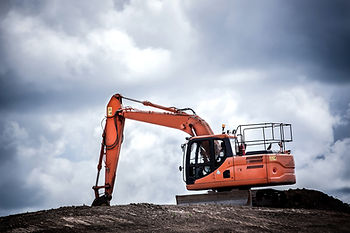
Those questions matter because excavation is one of the higher-risk segments of the construction industry. Whether you're digging utility trenches in Grand Rapids, preparing house pads near Traverse City, installing septic systems in rural Michigan, or supporting commercial development around Detroit, one utility strike, equipment accident, or property damage claim can become expensive quickly.
What Is Michigan Excavation Contractor Insurance?
Michigan excavation contractor insurance refers to a group of insurance policies designed to help protect excavation, grading, site work, trenching, utility, septic, and earthmoving contractors from financial losses related to accidents, lawsuits, vehicle claims, property damage, and employee injuries.
Most excavation companies evaluate coverage such as:
General liability insurance
Commercial auto insurance
Workers' compensation insurance
Equipment insurance
Inland marine coverage
Umbrella liability insurance
The coverage needed depends on your operation, customer requirements, payroll, equipment fleet, and project types.
What Insurance Does a Michigan Excavation Contractor Need?
Most dirt contractors rely on several types of coverage working together.
General Liability Insurance
General liability insurance is often the foundation of an excavation contractor's insurance program.
This coverage may help address claims involving:
Property damage
Bodily injury
Legal defense costs
Third-party injury allegations
For example, if excavation operations allegedly damage a neighboring property, general liability coverage may help respond to the claim, subject to policy terms and conditions.
Many builders, municipalities, and developers require proof of liability coverage before awarding work.
Commercial Auto Insurance
Most excavation businesses operate:
Dump trucks
Service trucks
Pickup trucks
Utility vehicles
Equipment trailers
Commercial auto insurance may help cover:
Vehicle accidents
Property damage claims
Bodily injury claims
Legal expenses
Transportation exposure is often one of the largest risks facing excavation companies.
Workers' Compensation Insurance
Excavation crews regularly face hazards involving:
Trenches
Utility work
Heavy equipment
Uneven terrain
Material handling
Workers' compensation insurance may help cover medical expenses and lost wages associated with covered workplace injuries.
Michigan requirements vary based on business circumstances and workforce structure. Contractors should verify current obligations with the appropriate state authorities.
Equipment and Inland Marine Coverage
Many excavation businesses own substantial equipment investments, including:
Excavators
Bulldozers
Skid steers
Compact track loaders
Trenchers
Compaction equipment
Equipment coverage may help protect machinery against certain covered losses involving theft, vandalism, transportation incidents, and other risks.
For many contractors, equipment represents one of the largest financial investments in the business.
Umbrella Liability Insurance
Larger excavation firms often evaluate umbrella liability insurance.
This coverage may provide additional liability protection above certain underlying policies.
Many public projects and commercial builders require elevated liability limits.
How Much Does Excavation Contractor Insurance Cost in Michigan?
One of the most common questions contractors ask is about insurance costs.
The answer depends heavily on the business itself.
Factors that may influence premiums include:
Annual revenue
Payroll
Number of employees
Claims history
Equipment values
Vehicle count
Project types
Utility work exposure
Trenching operations
Coverage limits
Some small owner-operator businesses may spend a few thousand dollars annually on insurance, while larger excavation firms with multiple crews, heavy equipment fleets, and utility contracts may have substantially higher insurance costs.
Why Michigan Excavation Contractors Face Unique Risks
Michigan excavation companies work in a wide variety of environments.
Projects may involve:
Residential subdivisions
Utility installations
Septic systems
Commercial developments
Municipal infrastructure
Road construction
Drainage improvements
Common risks include:
Utility strikes
Property damage
Vehicle accidents
Equipment theft
Employee injuries
Trench-related incidents
Contract disputes
Michigan contractors also frequently deal with seasonal weather conditions that can create challenging site conditions and increase operational complexity.
Utility Work Creates Additional Exposure
Many Michigan excavation contractors perform underground utility work.
Common projects include:
Water lines
Sewer lines
Storm drainage
Fiber optic installations
Power infrastructure
Utility strikes can quickly become expensive.
Before excavation begins, contractors typically coordinate utility locating through Call 811.
Damage prevention remains one of the most important risk-management practices in the excavation industry.
Explore more in our blog: Michigan Trenching and Underground Utility Contractor Insurance, which provides a deeper look at utility-specific insurance exposures.

What Most People Get Wrong
One of the biggest misconceptions among excavation contractors is that insurance exists only to satisfy contract requirements.
In reality, many of the most financially damaging losses involve events that happen long before a lawsuit occurs.
Examples include:
Stolen equipment
Vehicle accidents
Utility damage
Employee injuries
Trailer theft
We've seen contractors spend hundreds of thousands of dollars on equipment while carrying minimal protection for those assets.
The strongest operators view insurance as a business continuity tool rather than just a certificate needed to secure work.
What General Contractors Often Require
As excavation businesses pursue larger projects, insurance requirements often increase.
Many general contractors request:
Certificates of insurance (COIs)
Additional insured endorsements
General liability verification
Workers' compensation documentation
Commercial auto verification
Commercial developers and municipalities frequently require specific insurance limits before work begins.
This is one reason many contractors regularly review their insurance program as their company grows.
Michigan Weather Can Affect Risk Exposure
Weather is often an overlooked factor.
Michigan contractors may experience:
Heavy rainfall
Frozen ground
Snow conditions
Spring thaw cycles
These conditions can affect:
Site access
Trench stability
Equipment performance
Transportation risks
Contractors performing trenching operations should pay particular attention to changing soil conditions after storms and seasonal weather events.
Building the Right Insurance Program
Not every excavation company needs the exact same coverage structure.
Factors to evaluate include:
Company Size
A solo owner-operator often has different exposures than a company operating several crews.
Services Offered
Businesses performing:
Utility excavation
Demolition support
Site development
Septic installation
may face different risks.
Customer Requirements
Municipal projects frequently carry different requirements than residential projects.
Equipment Values
The larger the fleet, the more important equipment protection often becomes.
Insurance and Licensing Reality Check
Insurance is only one part of operating an excavation company in Michigan.
Contractors may also need to address:
Business registration
Contractor licensing requirements
Tax obligations
Environmental compliance
Vehicle registrations
Permit requirements
Requirements vary by municipality, project type, and business structure.
Michigan contractors should verify requirements directly through the Labor and Economic Opportunity and other applicable state and local agencies.
Comparing Michigan to Other State Markets
Insurance requirements and contractor exposures vary significantly across the country.
Learn more in our blog: Colorado Excavation and Grading Contractor Insurance, which highlights how excavation risks and requirements can differ between markets.
While many types of insurance remain similar, licensing obligations, regulatory requirements, and project conditions often change from state to state.
Why Annual Insurance Reviews Matter
Excavation businesses evolve quickly.
In a single year, a contractor might:
Purchase new equipment
Add trucks
Hire employees
Expand into utility work
Win larger contracts
Each change can affect insurance needs.
Many successful contractors review their insurance annually or whenever significant operational changes occur.
Regular reviews can help identify potential coverage gaps before a loss occurs.
Frequently Asked Questions
Do Michigan excavation contractors need general liability insurance?
Many excavation contractors carry general liability insurance because it may help address claims involving bodily injury, property damage, and legal defense expenses.
Is workers' compensation required for Michigan excavation businesses?
Requirements vary depending on workforce structure and business circumstances. Contractors should verify current obligations with Michigan authorities.
Does excavation contractor insurance cover equipment?
Certain equipment and inland marine policies may help protect machinery from covered losses such as theft, vandalism, and transportation-related damage.
Why do builders ask for certificates of insurance?
Builders, municipalities, and developers often require proof of insurance before allowing contractors onto a project.
How often should excavation companies review coverage?
Many contractors review insurance annually or after major business changes such as adding equipment, vehicles, employees, or new service offerings.
Ready to Protect Your Michigan Excavation Business?
Whether you're installing utilities, performing site development, building subdivisions, excavating septic systems, or operating a fleet of heavy equipment across Michigan, insurance plays an important role in protecting your business from unexpected losses.
Excavating Insurance Partners works with excavation, grading, trenching, site-work, utility, septic, demolition, and heavy-equipment contractors across the United States. We understand the realities of utility locates, spoil piles, COIs, expensive equipment, transportation exposures, and the risks excavation businesses face every day.


Comments