
Pennsylvania Contractors Equipment Insurance: Excavators, Tools, and Mobile Equipment
If you own an excavator, skid steer, loader, trencher, or other construction equipment in Pennsylvania, you've probably wondered whether your insurance would actually protect you if that machine were stolen, damaged, vandalized, or involved in an accident. It's a fair question, especially when a single piece of equipment can represent a major investment in your business.
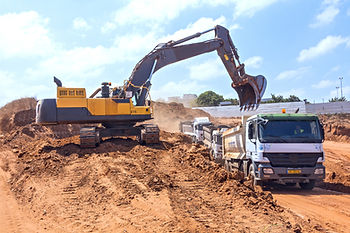
Pennsylvania contractors equipment insurance is designed to help protect the machinery and tools that keep excavation, grading, utility, demolition, and site-work contractors operating. While cost is always part of the conversation, understanding what is covered, what may be excluded, and what project owners or lenders require is often far more important.
What Is Pennsylvania Contractors Equipment Insurance?
Pennsylvania contractors equipment insurance is coverage designed to protect mobile construction equipment and tools used by contractors.
This type of insurance may help cover qualifying losses involving:
Excavators
Bulldozers
Skid steers
Backhoes
Track loaders
Wheel loaders
Trenchers
Compactors
Attachments
Contractor tools
Coverage typically applies to physical damage caused by certain covered events such as theft, vandalism, fire, or accidents, depending on policy terms and conditions.
Unlike commercial auto insurance, contractors equipment insurance focuses on the machinery used to perform construction work rather than licensed vehicles driven on public roads.
The Short Answer
Pennsylvania contractors equipment insurance helps protect excavators, tools, and mobile equipment from covered physical damage losses. It is commonly carried by excavation contractors, utility contractors, grading contractors, demolition companies, and site-work crews. Lenders, rental companies, and project requirements may also require proof of equipment coverage before work begins.
Why Equipment Coverage Matters in Pennsylvania
Construction equipment works in demanding environments every day.
Whether you're excavating utility trenches in Pittsburgh, preparing residential developments outside Harrisburg, performing site work in Allentown, or clearing land in rural Pennsylvania, your equipment faces numerous risks.
Common exposures include:
Equipment theft
Jobsite vandalism
Fire damage
Rollover accidents
Transportation incidents
Storm damage
Falling objects
Operator-related accidents
Collision damage
Attachment losses
Replacing or repairing a major machine can affect project schedules, cash flow, and profitability.
That's why many contractors view equipment insurance as a critical part of their overall risk management plan.
What Equipment Can Be Covered?
Most contractors equipment policies can be tailored to the machinery used in excavation and site development operations.
Commonly insured equipment includes:
Earthmoving Equipment
Excavators
Mini excavators
Bulldozers
Motor graders
Scrapers
Utility Construction Equipment
Trenchers
Directional drills
Vacuum excavation equipment
Pipe lasers
Specialized locating equipment
Site Work Machines
Skid steers
Wheel loaders
Compact track loaders
Compact rollers
Soil compactors
Attachments and Accessories
Hydraulic breakers
Augers
Buckets
Grapples
Thumbs
Mulching heads
Many policies can also include contractor tools and smaller jobsite equipment.
Equipment Theft Is One of the Biggest Risks
Equipment theft continues to be a major concern throughout the construction industry.
Machines often sit overnight on jobsites, in storage yards, or at remote project locations.
Frequently targeted equipment includes:
Skid steers
Compact loaders
Mini excavators
Trailers
Attachments
Fuel tanks
Contractors can reduce exposure by:
Installing GPS tracking systems
Using immobilization devices
Securing machines behind fencing
Maintaining security camera systems
Recording serial numbers
Conducting routine inspections
While these steps can help, they do not eliminate risk completely. Insurance may provide an important financial safety net when losses occur.
Owned Equipment vs. Rented Equipment
Many Pennsylvania contractors own some equipment while renting other specialized machines as needed.
The insurance considerations can be different.
Owned Equipment
Owned equipment coverage is typically based on the value of the machine and the coverage selected.
Protection may apply whether equipment is operating, stored, or under transportation, depending on policy terms.
Rented Equipment
Rental contracts often require contractors to assume responsibility for damage to rented machinery.
Before signing any rental agreement, contractors should confirm:
Insurance requirements
Damage responsibilities
Theft obligations
Transportation coverage
Deductible responsibilities
Never assume the rental company automatically provides all necessary coverage.
Equipment in Transit Is Often Overlooked
Excavation contractors rarely keep equipment in one place.
Machines constantly move between:
Jobsites
Equipment yards
Repair facilities
Rental locations
Material suppliers
That movement creates risk.
Loading accidents, trailer incidents, tie-down failures, and roadway collisions can all result in equipment damage.
Contractors should review transportation exposures with their insurance advisor to confirm how equipment is protected while being moved.
Who May Require Contractors Equipment Insurance?
Several parties commonly require proof of equipment insurance.
These may include:
Equipment lenders
Finance companies
Rental companies
General contractors
Project owners
Government agencies
Utility companies
In many cases, evidence of coverage is required before financing approval, rental agreements, or project participation.
How Contractors Equipment Insurance Works With Other Coverages
Equipment insurance is important, but it is usually just one part of a larger insurance program.
General Liability Insurance
General liability insurance may help address claims involving third-party bodily injury or property damage arising from business operations.
Commercial Auto Insurance
Commercial auto insurance covers licensed vehicles used in business operations such as dump trucks and service vehicles.
Workers' Compensation Insurance
Workers' compensation provides benefits for covered employee work-related injuries and illnesses. Contractors seeking more information about workers' compensation requirements should review resources from Total Work Comp.
Umbrella Liability Insurance
Umbrella coverage may provide additional liability limits above qualifying underlying policies.
Inland Marine Insurance
In many cases, contractors equipment insurance is provided through an inland marine policy structure.
Despite the name, inland marine coverage generally protects mobile property rather than watercraft.

What Most People Get Wrong
One of the biggest misconceptions in the construction industry is that general liability insurance protects a contractor's own equipment.
It usually doesn't.
General liability coverage is designed primarily for claims involving third-party injuries or property damage. Damage to your own excavator, skid steer, trencher, or equipment trailer generally requires separate equipment coverage.
Unfortunately, many contractors do not realize this until after a loss occurs.
Common Exclusions Contractors Should Understand
Every insurance policy contains exclusions and limitations.
Examples may include:
Normal wear and tear
Rust and corrosion
Certain mechanical breakdowns
Manufacturer defects
Intentional damage
Improper maintenance
Certain employee dishonesty losses
Coverage depends on the exact policy language and loss circumstances.
For that reason, contractors should carefully review their coverage before a claim occurs.
Pennsylvania-Specific Considerations
Pennsylvania contractors work in a wide range of environments ranging from urban utility projects and roadwork to rural excavation, pipeline, and land development operations.
Project owners, municipalities, utility companies, and general contractors may each impose their own insurance requirements.
Contractors should review project specifications carefully and verify current regulatory obligations through applicable state and local authorities when bidding complex projects.
Businesses operating in multiple states may also benefit from reviewing Excavation Contractor Insurance in Salt Lake City: Coverage for Hillside, Foundation, and Utility Work. While the terrain and project conditions differ significantly, many of the insurance principles involving excavation hazards, utility damage exposure, and heavy equipment protection remain relevant across markets.
What Factors Affect Contractors Equipment Insurance Cost?
Insurance costs vary from one contractor to another.
Common factors include:
Equipment Value
Higher equipment values typically require higher insurance limits.
Equipment Type
Large excavators and specialized machinery often present different exposures than smaller equipment.
Claims History
Previous losses may influence underwriting decisions.
Security Measures
GPS systems, fenced storage yards, cameras, and theft-prevention programs may affect risk evaluation.
Geographic Operating Area
Where equipment is stored and used can affect exposure levels.
Transportation Frequency
Contractors that move equipment frequently may face different risks than businesses operating from a single location.
Business Operations
Excavation, demolition, utility work, land clearing, and grading operations often present different underwriting characteristics.
Protecting Equipment Beyond Insurance
The strongest protection strategy combines insurance with practical equipment management.
Successful contractors often:
Conduct daily inspections
Track maintenance schedules
Train operators regularly
Secure equipment after hours
Monitor equipment locations
Verify transportation procedures
Document equipment condition
Contractors working around buried utilities should also follow best practices provided by the Common Ground Alliance, while excavation crews can benefit from trenching and excavation safety guidance published by OSHA.
Frequently Asked Questions
Does contractors equipment insurance cover stolen excavators?
Many policies may provide coverage for qualifying theft losses involving scheduled equipment, subject to policy terms, exclusions, deductibles, and claim circumstances.
Are contractor tools covered under equipment insurance?
Some policies may include contractor tools, while others require separate coverage or scheduled items. Coverage depends on policy design.
Does commercial auto insurance cover a skid steer?
Generally, no. Commercial auto insurance typically covers licensed vehicles. Contractors equipment insurance is often needed for skid steers and other mobile equipment.
Is rented equipment covered?
It depends on the policy. Contractors should discuss rented and leased equipment exposures with their insurance advisor before relying on coverage.
Do banks and lenders require equipment insurance?
Many lenders require proof of physical damage coverage for financed machinery because they have a financial interest in the equipment.
Get a Pennsylvania Contractors Equipment Insurance Quote
Excavators, trenchers, loaders, attachments, and contractor tools are essential to keeping projects moving. Whether you're performing excavation, grading, utility construction, demolition, or site development work, protecting those assets is an important part of managing business risk.
Excavating Insurance Partners specializes in helping excavation contractors, site-work companies, utility contractors, land clearing businesses, drilling contractors, septic installers, and heavy equipment operators understand their insurance options. If you would like a review of your current equipment coverage or need insurance for a growing fleet, request a free quote and speak with a licensed insurance professional who understands contractor equipment risks.


Comments