
How Much Does Demolition Insurance Cost? 2026 Pricing Factors
Updated: Sep 2
If you’re bidding demolition work, you’ve probably run into this question fast: how much is insurance going to cost me? Whether you’re tearing down residential structures or handling large commercial demo jobs, your insurance cost can make or break your margins.
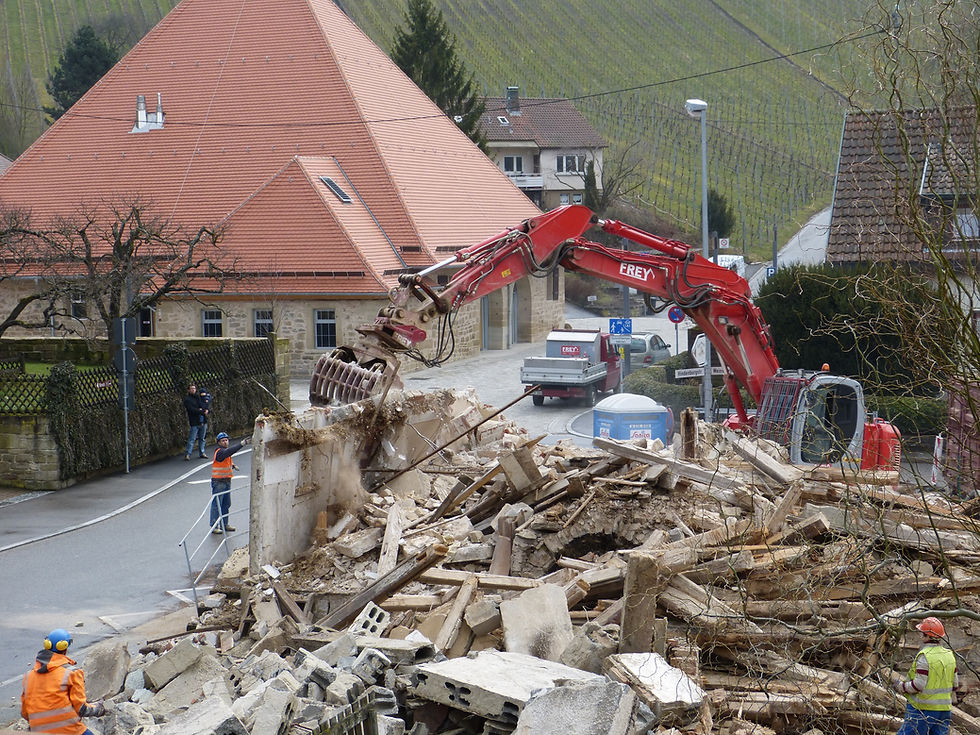
Demolition insurance cost isn’t fixed. It changes based on the type of work you do, the risks involved, and how your business is set up. Let’s break it down so you understand what you’re paying for—and why.
How Much Does Demolition Insurance Cost? (Straight Answer)
Demolition insurance cost varies widely in 2026. Most contractors don’t pay a single flat price—instead, they carry multiple policies that each add to the total cost.
Your total insurance cost depends on:
Payroll and number of employees
Type of demolition work (interior vs. structural)
Equipment value
Job locations and risk exposure
Claims history
Required limits from general contractors (GCs)
A small demolition operation might carry basic liability and equipment coverage, while a larger contractor with crews, multiple machines, and higher-risk jobs will typically pay significantly more due to increased exposure.
The only accurate way to determine your cost is to get a quote based on your exact operation.
Why Demolition Insurance Costs More Than Other Trades
Demolition work comes with higher risk than many other construction trades.
You’re dealing with:
Structural instability
Falling debris
Unknown building conditions
Possible asbestos or hazardous materials
Tight job sites in populated areas
Even a small mistake can lead to serious damage or injury.
That’s why insurance carriers look at demolition contractors differently than landscapers or general labor crews. The higher the risk, the higher the potential cost.
The Main Types of Demolition Insurance (And What You’re Paying For)
When you hear “demolition insurance,” it usually means a mix of different policies. Each one covers a specific risk.
General liability insurance protects your business if you cause damage to someone else’s property or injure a third party.
For demolition contractors, this is critical.
It may cover:
Damage to nearby buildings during demo
Injury to pedestrians or adjacent property owners
Debris-related accidents
For example, if falling debris damages a neighboring structure, general liability may help cover the claim, depending on your policy.
Because demolition work increases the risk of severe claims, this coverage often makes up a large part of your insurance cost.
Inland Marine Insurance (Equipment Floater)
An inland marine policy—also called equipment insurance—covers your machines wherever they go.
This includes:
Excavators
Skid steers
Attachments like grapples and breakers
It may cover:
Theft from job sites
Damage during use
Fire or vandalism
Demolition contractors often have high-value equipment exposed to rough conditions, which increases both the importance and cost of this coverage.
Workers’ comp covers medical bills, lost wages, and rehabilitation if your employees are injured on the job.
Demolition has high injury risk due to:
Structural collapse
Falling materials
Equipment hazards
This is typically required if you have employees. You can learn more about requirements at the U.S. Department of Labor: https://www.dol.gov/general/topic/workcomp
Because injury risk is higher in demolition, workers’ comp premiums are often higher than in lower-risk trades.
Commercial auto covers vehicles used for your business, including dump trucks, trailers, and pickups.
It may cover:
On-road accidents
Damage to other vehicles or property
Injuries caused by your drivers
If you’re hauling debris or transporting equipment between sites, this coverage is essential—and its cost depends on your driving records and vehicle types.
Pollution Liability Insurance
This is a big one for demolition contractors.
Pollution liability helps cover environmental damage, including cleanup costs and third-party claims.
It may cover:
Disturbing asbestos (if properly disclosed and endorsed)
Lead paint exposure
Fuel or chemical spills
For example, if your demo work releases contaminants into the air or soil, cleanup costs can be significant. This policy may help, depending on your coverage.
You can learn more about environmental risks in construction from the EPA: https://www.epa.gov

Key Factors That Affect Demolition Insurance Cost
Not all demolition businesses are priced the same. Here are the biggest factors that impact your premium.
Type of Demolition Work
Interior demo is generally considered lower risk than full structural demolition.
For example:
Interior strip-outs = lower cost
Residential teardown = moderate cost
Large commercial or urban demo = higher cost
The more complex and hazardous the job, the higher the insurance cost.
Business Size and Payroll
The more employees you have, the higher your risk exposure.
Workers’ comp costs are directly tied to payroll. More workers = more potential for injuries.
Equipment Value
If you own multiple high-value machines, your equipment insurance costs will increase.
A contractor with one skid steer will pay significantly less than one running multiple large excavators with attachments.
Claims History
Insurance companies pay close attention to your past claims.
If you’ve had:
Frequent liability claims
Worker injuries
Equipment losses
Your premiums may be higher compared to a contractor with a clean record.
Job Locations and Project Types
Working in dense urban areas or near occupied buildings increases risk.
Higher-risk job sites typically result in higher premiums.
Coverage Limits and Contract Requirements
Many demolition contractors work under GCs who require:
Higher liability limits
Additional insured endorsements
Waivers of subrogation
These requirements can increase your insurance cost but are necessary to win jobs.
Insurance Requirements From General Contractors
Before you even start a job, most GCs will require proof of insurance in the form of a certificate of insurance (COI).
This document shows:
Your active coverage
Policy limits
Named additional insured parties
Without the required limits, you may not be allowed to start work—even if you’ve already won the bid.
Ways to Help Manage Your Insurance Costs
You may not be able to eliminate risk, but you can control how your business is viewed by insurance providers.
Here are practical steps:
Maintain a clean claims history
Train employees on safety procedures
Document 811 locates before digging (visit https://call811.com)
Secure job sites and equipment
Work with an insurance specialist who understands demolition
Reducing risk doesn’t just make your business safer—it may also help keep your premiums more manageable over time.
Hidden Gaps That Can Cost You Later
Trying to cut costs by skipping coverage can backfire.
Common gaps include:
No pollution liability
Underinsured equipment
Missing endorsements for demolition work
Low liability limits
These gaps may save money upfront but can lead to major out-of-pocket expenses later.
Frequently Asked Questions
Is demolition insurance more expensive than excavation insurance?
In many cases, yes. Demolition often involves higher risk levels, especially with structural work and environmental exposure.
What is the most expensive part of demolition insurance?
General liability and workers’ compensation are often the largest cost drivers due to the risk of injury and property damage.
Can I lower my demolition insurance cost?
Possibly. Improving safety practices, reducing claims, and working with a specialized agent may help over time.
Do I need pollution liability for demolition work?
Many contractors do, especially when dealing with older buildings that may contain hazardous materials.
Can I get insurance as a small or one-man demolition contractor?
Yes. Even small operators can carry liability and equipment coverage to protect their business and qualify for jobs.
Final Thoughts: Cost Is About Risk, Not Just Price
Demolition insurance cost isn’t random—it’s based on real risks you face every day on the job.
The goal isn’t just to find the cheapest policy. It’s to find the right coverage that protects your equipment, your crew, and your business when something goes wrong.
Understanding what drives your cost puts you in a better position to make smart decisions and protect your operation long-term.
Get a Free Demolition Insurance Quote
At Excavating Insurance Partners, we specialize in helping demolition and excavation contractors build coverage that actually fits how they work.
If you want a clear answer on your insurance cost—and how to structure it the right way—request a free, no-obligation quote today.

Comments