
Demolition Business Plan: Scope, Disposal, and Margins in 2026
If you're building a demolition business plan in 2026, you're probably asking a simple question: how do you create a demolition company that consistently wins projects, manages disposal costs, and stays profitable while dealing with permits, equipment expenses, and jobsite risks?
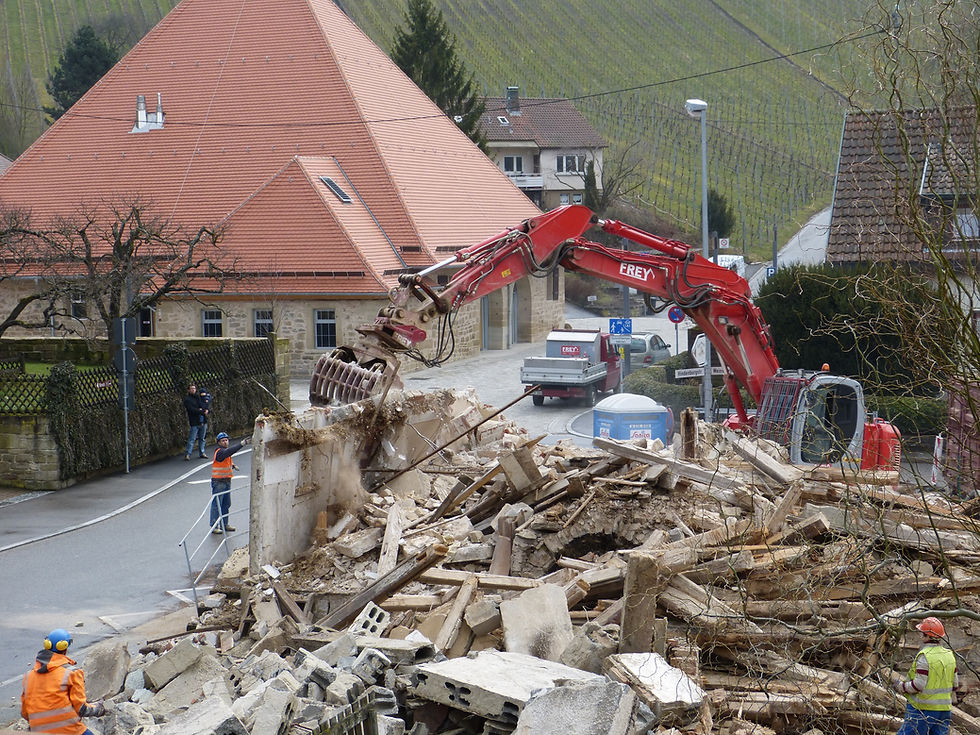
The reality is that successful demolition contractors are not just in the wrecking business. They are in the planning, logistics, transportation, disposal, and risk-management business. A strong demolition business plan helps you understand where revenue comes from, where costs hide, and how to build a company that can grow responsibly.
What Should a Demolition Business Plan Include?
A demolition business plan should define your services, target market, startup costs, equipment strategy, disposal plan, staffing requirements, marketing approach, licensing obligations, and financial projections.
The best plans are practical rather than complicated. They help business owners answer a simple question: can this company consistently generate enough work to cover labor, equipment, disposal, insurance, transportation, and overhead expenses?
Executive Summary Template
Every demolition business plan should begin with a short company overview.
Example:
"ABC Demolition provides residential demolition, commercial demolition, interior demolition, site clearing, debris removal, and selective demolition services throughout its service area. The company serves homeowners, builders, general contractors, developers, and municipalities while emphasizing safe operations, reliable scheduling, and responsible disposal practices."
This section should clearly explain what the business does and who it serves.
Define Your Service Scope
Many new contractors attempt to chase every opportunity.
The better approach is clearly defining services.
Residential Demolition
Common projects include:
House demolition
Garage removal
Mobile home demolition
Barn removal
Swimming pool removal
Residential projects often provide steady work and simpler project management.
Commercial Demolition
Commercial work may include:
Retail buildings
Warehouses
Office structures
Industrial facilities
Multi-unit developments
These projects often involve larger contracts and stricter compliance requirements.
Selective Demolition
Selective demolition involves removing portions of a structure while preserving the rest.
Examples include:
Interior demolition
Tenant improvements
Renovation preparation
Structural modifications
Many contractors expand into this area because it can provide recurring opportunities.
Site Clearing Services
Demolition contractors frequently offer:
Debris hauling
Foundation removal
Concrete removal
Land clearing
Site preparation
These services often complement demolition operations naturally.
Understand Your Target Customers
A successful demolition business knows exactly who it is trying to reach.
Potential customers include:
Homeowners
General contractors
Builders
Developers
Property managers
Municipal agencies
Industrial property owners
A contractor focused on residential teardown projects may operate very differently than one pursuing commercial redevelopment and municipal contracts.
Knowing your customer base helps determine equipment purchases, staffing needs, and marketing priorities.
Equipment Planning for a Demolition Company
Equipment is usually one of the largest investments in the business.
Common demolition equipment may include:
Excavators
Excavators serve as the backbone of many demolition operations.
Typical uses include:
Structural demolition
Concrete removal
Site clearing
Material loading
Many companies begin with one excavator and expand as project volume increases.
Skid Steers and Track Loaders
These machines are valuable for:
Cleanup
Material handling
Sorting debris
Limited access work
They are often among the most versatile machines in the fleet.
Attachments
Common demolition attachments include:
Hydraulic breakers
Grapples
Pulverizers
Buckets
Shears
Attachments can significantly expand service capabilities without requiring additional machines.
Transportation Equipment
Most demolition businesses also require:
Dump trailers
Equipment trailers
Dump trucks
Roll-off containers
Transportation capacity often becomes a competitive advantage.
Disposal Is Frequently the Biggest Variable
One of the most important sections of a demolition business plan should focus on disposal.
Why?
Because demolition is rarely just about tearing down a structure.
Materials must often be:
Sorted
Loaded
Transported
Recycled
Disposed of
Disposal costs may include:
Landfill fees
Transportation expenses
Fuel
Labor
Equipment usage
Many contractors underestimate disposal costs when they first enter the industry.
The most successful demolition companies often excel at material management just as much as demolition itself.
Building Financial Projections
A demolition business plan should include realistic assumptions.
Rather than guessing revenue, focus on operational inputs such as:
Projects completed per month
Average project size
Disposal costs
Equipment utilization
Crew productivity
Expenses commonly include:
Labor
Fuel
Equipment payments
Repairs
Insurance
Landfill fees
Administrative overhead
Actual revenue and profitability vary significantly based on location, project mix, management, competition, and operating efficiency.
No specific financial outcome can be guaranteed.
Marketing a Demolition Company in 2026
Many demolition companies obtain work through referrals and industry relationships.
However, marketing remains important.
Common strategies include:
Google Business Profile
Local SEO
Builder relationships
General contractor relationships
Developer networking
Project photography
Website lead generation
Many contractors discover that relationships with builders and developers create more consistent work than paid advertising alone.
Small-business planning resources can be found through SCORE.
Marketing and SEO That Help Contractors Grow.
Contractor Back Office helps contractors increase their online visibility, attract qualified leads, and win more business through strategic digital marketing and SEO services.

Understanding Margins in Demolition
One of the most common questions aspiring owners ask is about margins.
The truth is that margins vary widely between projects.
Factors affecting profitability include:
Disposal costs
Fuel costs
Labor efficiency
Equipment utilization
Transportation expenses
Unexpected site conditions
Contractors frequently discover that projects with similar revenue can produce very different results depending on logistics and disposal requirements.
That is why estimating accuracy often matters more than simply winning jobs.

What Most People Get Wrong
The biggest misconception in the demolition business is that demolition itself creates the profit.
In reality, project planning often creates the profit.
We've seen contractors spend enormous amounts of time focusing on equipment while paying very little attention to disposal logistics, permitting requirements, transportation costs, and project scheduling.
The strongest demolition companies understand that every structure will eventually come down. The real challenge is managing everything that happens before and after the structure comes down.
Good planning usually separates profitable projects from disappointing ones.
Staffing Strategy
Not every demolition business starts with multiple crews.
Many begin with:
Owner-operator
Equipment operator
Laborer
As the company grows, staffing may expand to include:
Multiple operators
CDL drivers
Supervisors
Estimators
Office staff
Hiring should generally follow demand rather than lead it.
Growing too quickly can place significant pressure on cash flow.
Growth Opportunities in 2026
Demolition businesses often grow by expanding services.
Common opportunities include:
Interior Demolition
Commercial renovation projects frequently require selective demolition before construction begins.
Concrete Removal
Many demolition companies successfully add:
Sidewalk removal
Foundation removal
Parking lot removal
Site Development Support
Post-demolition services may include:
Grading
Site preparation
Excavation
Utility work
These services often complement demolition operations.
Municipal Work
Some companies expand into:
Public projects
Government contracts
Infrastructure demolition
These projects often require additional documentation and compliance efforts.
Utility Coordination and Jobsite Planning
Many demolition projects involve utilities.
Before excavation or foundation removal begins, contractors commonly coordinate utility locating through Call 811.
Potential conflicts include:
Electrical service
Water lines
Sewer infrastructure
Gas lines
Fiber optics
Proper planning helps reduce delays, utility strikes, and project disruptions.
Licensing and Compliance Reality Check
Demolition contractors often operate under multiple local and state regulations.
Depending on location and project type, requirements may include:
Contractor licensing
Business registration
Permit approvals
Environmental compliance
Waste disposal requirements
Commercial vehicle registration
Requirements vary significantly by jurisdiction.
Business owners should verify requirements with local authorities and consult qualified legal and tax professionals before beginning operations.
Information related to demolition and environmental compliance is available through https://www.epa.gov/.
Insurance Reality Check
Demolition contractors face significant operational risks.
Common exposures include:
Structural collapse hazards
Equipment accidents
Property damage claims
Transportation losses
Employee injuries
Project liability
Many demolition businesses evaluate:
Commercial auto insurance
Equipment coverage
Inland marine insurance
Umbrella liability insurance
General contractors, municipalities, developers, and commercial customers frequently require certificates of insurance (COIs) before awarding projects.
Explore more in our blog: Demolition Contractor Insurance: A Complete Coverage Guide
Frequently Asked Questions
Do I need a business plan for a demolition company?
A written plan helps define services, estimate costs, understand disposal requirements, and develop realistic growth strategies before significant investments are made.
What is the biggest cost in a demolition business?
Many contractors find that equipment, labor, transportation, and debris disposal represent some of the largest ongoing expenses.
Can a demolition company start with one excavator?
Many businesses begin with a limited fleet and expand over time as project volume increases.
Why are disposal costs so important in demolition?
Demolition projects often generate large volumes of material that must be transported, sorted, recycled, or disposed of properly.
How do demolition businesses grow?
Growth often comes from expanding service offerings, increasing equipment capacity, strengthening contractor relationships, and improving project management systems.
Ready to Protect Your Demolition Business?
Whether you're launching your first demolition company, adding another excavator, expanding into commercial projects, or growing multiple crews, insurance plays an important role in protecting the business you're building.
Excavating Insurance Partners works with demolition, excavation, site work, land clearing, septic, grading, drilling, and heavy equipment contractors across the United States. We understand the realities of equipment ownership, disposal logistics, transportation risks, and complex jobsite operations.
👉 Request a free quote today:


Comments