
Demolition Cost Per Square Foot: Residential and Commercial Rates
If you're researching demolition cost per square foot, you're probably trying to determine what a demolition project should cost and why quotes can vary so dramatically between contractors.
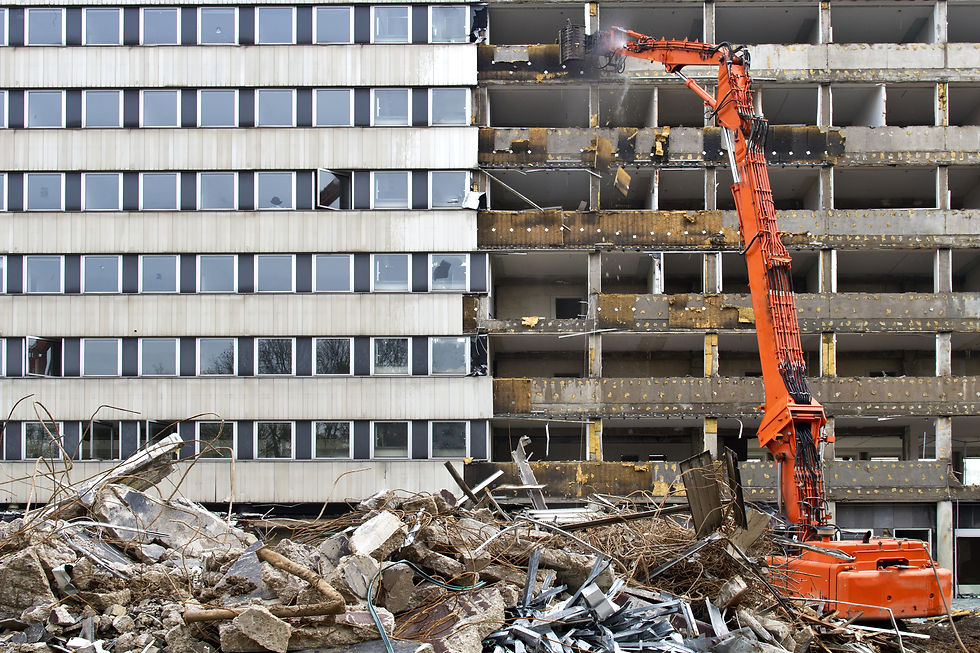
The reality is that demolition pricing depends on much more than building size. Structure type, debris disposal, environmental requirements, site access, utility disconnects, and local regulations can all affect the final number. Understanding these factors helps property owners evaluate bids and helps contractors price work more accurately.
What Does Demolition Cost Per Square Foot?
In many U.S. markets, demolition cost per square foot often ranges from approximately $4 to $15+ per square foot for residential projects and $5 to $25+ per square foot for commercial projects.
However, these are broad industry ranges only. Actual pricing varies significantly based on the structure, location, environmental requirements, demolition method, disposal expenses, and project complexity. Some projects may fall below or exceed these ranges depending on conditions.
Why Demolition Pricing Varies So Much
Many property owners assume demolition is simply knocking a building down.
Experienced contractors know better.
A demolition project may involve:
Utility disconnects
Permit requirements
Environmental compliance
Debris hauling
Recycling requirements
Equipment mobilization
Site restoration
Safety planning
Before the first machine arrives, contractors often spend significant time coordinating logistics and evaluating risk.
That's why similar-sized buildings can receive very different bids.
Residential Demolition Rates
Residential demolition commonly involves:
Single-family homes
Garages
Mobile homes
Barns
Detached structures
Pricing often depends on:
Structure size
Construction type
Foundation removal requirements
Property access
Utility conditions
A small wood-frame house is typically less expensive to demolish than a larger masonry structure with difficult access conditions.
Contractors may price projects using:
Square-foot pricing
Lump-sum bids
Daily rates
Hybrid pricing structures
Many residential projects include a minimum mobilization cost regardless of structure size.
Commercial Demolition Rates
Commercial demolition generally costs more than residential demolition because the projects tend to be more complex.
Common commercial projects include:
Office buildings
Warehouses
Retail centers
Industrial facilities
Schools
Multi-unit structures
Additional pricing considerations may include:
Traffic control
Utility coordination
Environmental testing
Structural complexity
Larger debris volumes
Equipment requirements
Commercial clients, GCs, municipalities, and developers often require extensive documentation before work begins.
The Biggest Factors That Affect Demolition Cost Per Square Foot
Building Construction Type
The type of structure being demolished is one of the biggest pricing variables.
Examples include:
Wood-frame construction
Steel-framed buildings
Concrete structures
Masonry buildings
Mixed-construction facilities
Concrete and steel structures generally require more specialized equipment and longer production times than wood-frame buildings.
Debris Hauling and Disposal
One of the largest project expenses is debris management.
After demolition, material still needs to be:
Loaded
Hauled
Processed
Recycled
Disposed of
Disposal costs vary by:
Region
Material type
Landfill fees
Recycling opportunities
In some markets, hauling and disposal represent a substantial portion of the overall demolition budget.
Site Accessibility
Access can dramatically affect costs.
Problematic conditions include:
Urban environments
Tight lots
Adjacent structures
Limited equipment access
Restricted working hours
A contractor working in an open rural area generally faces fewer challenges than one operating in a dense downtown setting.
Foundation Removal
Many clients assume foundations are automatically included.
That isn't always the case.
Project scopes may include:
Structure removal only
Structure plus slab removal
Full foundation extraction
Basement removal
Because foundation removal requires additional labor and equipment, it often affects pricing significantly.
Environmental and Hazardous Material Considerations
Environmental conditions can influence demolition pricing more than many people expect.
Potential concerns include:
Asbestos-containing materials
Lead-based paint
Underground storage tanks
Contaminated soil
Hazardous waste
Requirements vary by location and structure age.
Property owners should verify applicable requirements before planning demolition work.
Information on demolition and construction environmental considerations can often be found through the https://www.epa.gov/.
Environmental compliance costs frequently occur before actual demolition begins.
Utility Disconnects and Site Preparation
Demolition contractors cannot simply arrive and begin tearing down a structure.
Projects often require coordination involving:
Electric utilities
Water service
Sewer connections
Natural gas systems
Telecommunications lines
Prior to excavation or foundation removal, many contractors also coordinate utility locating through Call 811.
811 locates, utility verification, and proper disconnect procedures play an important role in risk management and site safety.
Equipment Costs Drive Pricing
Demolition equipment is expensive to own and operate.
Depending on project size, contractors may use:
Excavators
High-reach excavators
Skid steers
Dozers
Loaders
Grapple attachments
Hydraulic hammers
Equipment costs include:
Financing
Fuel
Repairs
Transportation
Maintenance
Operator wages
As equipment ownership costs increase, demolition rates often increase as well.
Residential Demolition vs. Commercial Demolition
Residential Projects
Residential demolition typically involves:
Smaller structures
Simpler logistics
Fewer stakeholders
Shorter project durations
However, access limitations and disposal requirements can still create cost challenges.
Commercial Projects
Commercial demolition often requires:
Additional planning
More coordination
Safety documentation
COIs (Certificates of Insurance)
Traffic control
Larger equipment fleets
These additional requirements frequently increase pricing.

What Most People Get Wrong
The biggest misconception about demolition cost per square foot is that square footage determines the entire project price.
In reality, demolition contractors spend much more time evaluating risk than measuring buildings.
A 10,000-square-foot warehouse with easy access and straightforward disposal may be less complex than a 4,000-square-foot structure surrounded by neighboring buildings, utility conflicts, environmental concerns, and strict municipal requirements.
Experienced contractors understand that project risk often affects pricing just as much as structure size.
Demolition Pricing for Contractors
For demolition company owners, pricing isn't simply about market rates.
Successful businesses carefully track:
Equipment costs
Fuel expenses
Labor costs
Insurance premiums
Disposal fees
Transportation expenses
Bidding too low can create significant financial pressure later, especially when unexpected site conditions arise.
The strongest contractors typically develop pricing based on actual operating costs rather than assumptions or competitor estimates.
Insurance and Licensing Reality Check
Demolition is among the higher-risk segments of the construction and excavation industry.
Projects often involve:
Heavy equipment
Structural collapse risks
Underground utilities
Debris hauling
Public safety concerns
Environmental exposures
Because of these exposures, many demolition contractors evaluate:
Workers' compensation insurance
Equipment coverage
Inland marine insurance
Umbrella liability insurance
General contractors, municipalities, developers, and property owners commonly require COIs before awarding work.
Licensing, permits, environmental compliance obligations, and contractor regulations vary significantly by state, municipality, project type, and structure. Contractors should verify requirements with the appropriate agencies and consult qualified legal, tax, and insurance professionals. Learn more in this blog: How Much Does Demolition Insurance Cost? 2026 Pricing Factors
Why Demolition Costs Continue to Change
Demolition pricing is influenced by ongoing market conditions, including:
Fuel prices
Labor availability
Equipment ownership costs
Disposal expenses
Regulatory requirements
Because these variables change over time, contractors frequently adjust pricing to reflect current operating realities.
There is no universal demolition rate that applies to every project.
Frequently Asked Questions
How much does demolition cost per square foot?
Many residential demolition projects range approximately from $4 to $15+ per square foot, while commercial projects often range from $5 to $25+ per square foot. Actual pricing varies significantly by project conditions.
Why is commercial demolition more expensive than residential demolition?
Commercial projects often involve larger structures, additional regulations, traffic control, environmental considerations, and more complex logistics.
Does demolition pricing include debris removal?
Not always. Some contractors include hauling and disposal in their bids, while others price those services separately.
Do demolition contractors remove foundations?
Sometimes. Foundation removal is often a separate scope item and should be verified during the bidding process.
What affects demolition costs the most?
Major factors include structure type, disposal costs, environmental requirements, utility coordination, equipment needs, access conditions, and site complexity.
Ready to Protect Your Demolition Business?
Whether you're tearing down residential structures, managing commercial demolition projects, operating multiple crews, or expanding into larger site-development work, the right insurance coverage can help protect your business, equipment, and employees.
Excavating Insurance Partners works with demolition, excavation, land clearing, site work, septic, drilling, and heavy equipment contractors across the United States. We understand the risks that come with expensive machinery, challenging jobsites, debris hauling, and large project requirements.
Get the coverage your demolition business needs. Request your free quote today https://www.excavatinginsurancepartners.com/quote.


Comments