
What Does General Liability Insurance for a Demolition Contractor Cover?
Updated: Sep 1
If you run a demolition business, you already understand how quickly things can go wrong—even on a well‑planned job. Falling debris, damaged neighboring buildings, or a bystander getting injured near the worksite can turn into costly claims fast. That’s why general liability insurance for a demolition contractor is a core part of protecting your business. As part of a complete demolition insurance plan, this coverage helps shield you from the most common third‑party risks you face on every project.

Below, we’ll break down exactly what general liability covers, what it doesn’t, and how it fits into your overall insurance strategy.
Why General Liability Insurance Matters in Demolition
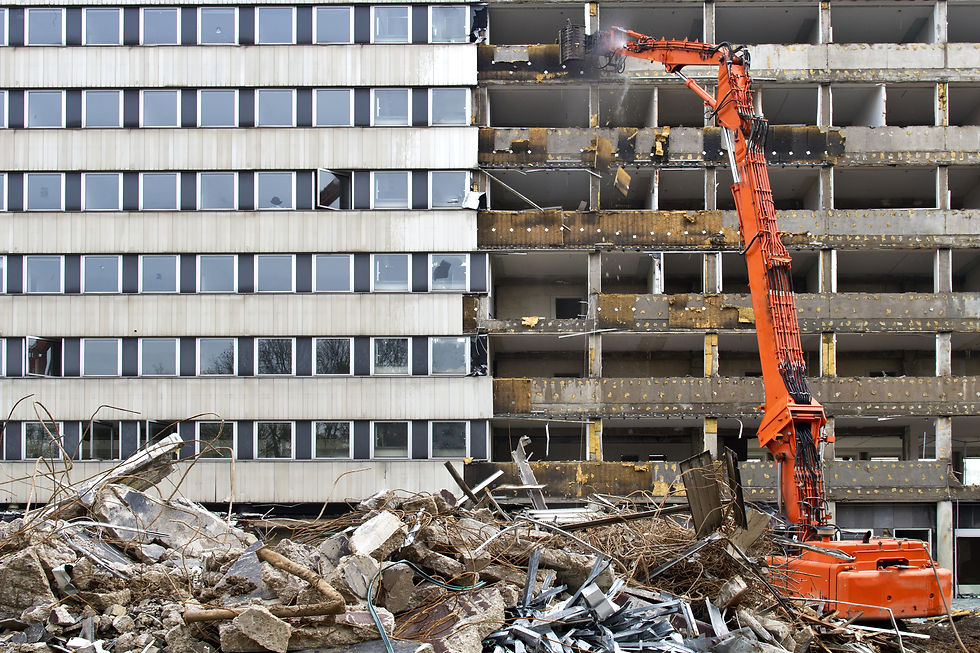
Demolition work involves tearing down structures, operating heavy equipment, and working near other properties, utilities, and public spaces. Because of this exposure, general liability insurance is often the first policy required by project owners, municipalities, and general contractors.
Having this coverage in place not only protects your finances but also helps you secure permits, contracts, and larger projects that require proof of insurance.

What General Liability Insurance Covers for Demolition Contractors
Third‑Party Bodily Injury Claims
General liability insurance helps cover medical expenses and legal costs if someone other than you or your employees is injured because of your work.
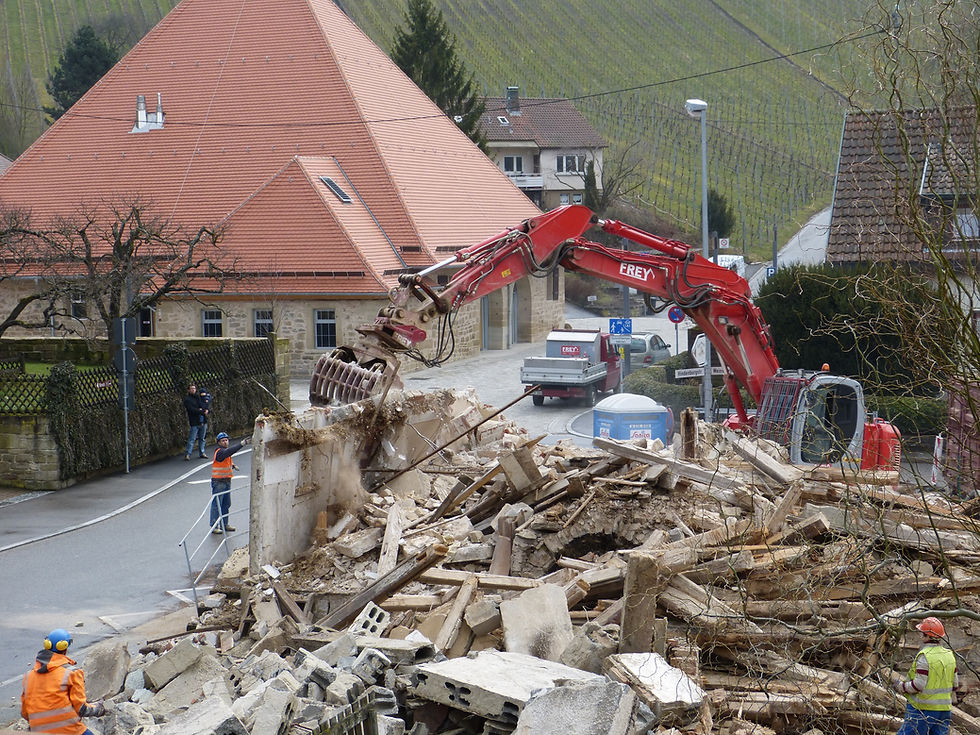
For example, if a passerby is struck by debris or slips near a demolition site, this coverage can help handle the claim and related defense costs.
Third‑Party Property Damage
Property damage is one of the most common claims demolition contractors face. General Liability Insurance helps pay for repairs if your demolition work accidentally damages property you don’t own.
Real‑world examples include:
Damage to neighboring buildings during teardown
Cracked sidewalks or curbs
Broken utility lines connected to surrounding properties
Without this coverage, those repair costs typically come out of your business assets.
Legal Defense and Settlement Costs
Even when a claim is exaggerated or unfounded, legal costs add up quickly. General liability policies usually cover attorney fees, court costs, and settlements related to covered claims.
This protection alone can save demolition contractors tens of thousands of dollars during disputes.
If your business is accused of slander, libel, or improper advertising practices, general liability may help cover legal expenses related to those claims.
While less common, this coverage is still an important part of the policy.
What General Liability Insurance Does NOT Cover
General liability is essential—but it isn’t all‑inclusive. Understanding exclusions helps prevent coverage gaps.
Employee Injuries
Injuries to your workers are not covered. These fall under Workers’ Compensation Insurance, which is required in most states if you have employees.
Vehicle Accidents
Accidents involving dump trucks or equipment haulers are covered by Commercial Auto Insurance, not general liability.
Damage to Your Own Equipment
Damage or theft of your machinery requires Inland Marine / Equipment Insurance, not general liability.
Because of these gaps, demolition contractors need multiple policies working together.
How General Liability Fits into Demolition Contractor Insurance
A strong demolition insurance program includes several coordinated coverages:
General Liability Insurance – Protects against third‑party injury and property damage
Workers’ Compensation Insurance – Covers employee injuries
Commercial Auto Insurance – Covers work trucks and hauling vehicles
Inland Marine / Equipment Insurance – Protects mobile equipment and tools
Umbrella Insurance – Adds extra liability protection above base limits
Together, these policies form a reliable safety net that allows you to operate with confidence.
How Liability Coverage Affects Your Insurance Quote
Your business description, demolition methods, job types, and claims history all influence your insurance quote for a demolition contractor. Clear, accurate information helps ensure your general liability coverage responds properly if a claim occurs.
Contractors often ask broader questions like pricing, but the key is making sure your coverage is correctly tailored to demolition risks—not written as generic construction insurance.
Frequently Asked Questions
Is general liability insurance required for demolition contractors?
In many cases, yes. Most project owners and municipalities require proof of general liability before allowing work to begin.
Is general liability enough by itself?
No. It does not cover employee injuries, vehicle accidents, or damage to your own equipment.
Does general liability cover environmental claims?
Typically not. Pollution or hazardous material claims often require separate coverage.
Should small demolition contractors carry general liability?
Absolutely. Even small jobs carry significant liability exposure.
Get the Right Liability Coverage for Your Demolition Business
General liability insurance is a must for demolition contractors—but only when it’s structured correctly for your type of work. The right policy protects your reputation, finances, and ability to take on new projects.
To review your coverage or get an insurance quote for a demolition contractor, contact Excavating Insurance Partners.
Call 317‑942‑0549 or visit https://www.excavatinginsurancepartners.com/

Comments