
What Insurance Coverages Does a Demolition Contractor Need
Updated: Sep 1
If you operate a demolition business, you already know that every job carries risk. One miscalculated cut, a falling wall, or a damaged neighboring structure can quickly turn into a serious claim. Project owners, municipalities, and general contractors also expect you to carry specific insurance before work ever begins. Understanding what insurance coverages a demolition contractor need is essential for protecting your business, staying compliant, and taking on larger, better-paying projects with confidence.

Below is a clear breakdown of the core insurance policies demolition contractors should have—and why each one matters.
Why Demolition Contractors Need Specialized Insurance
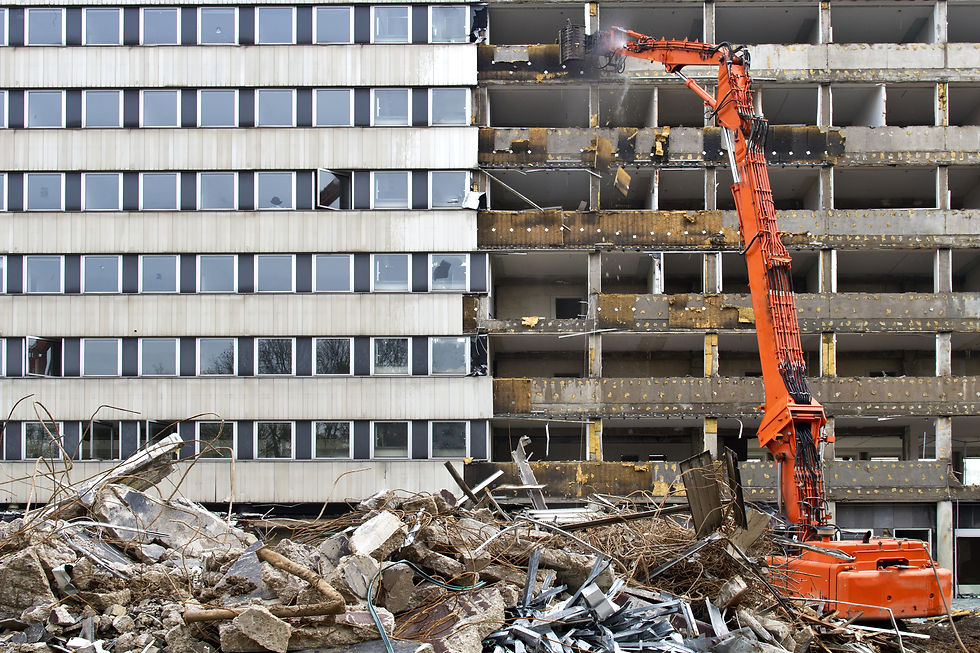
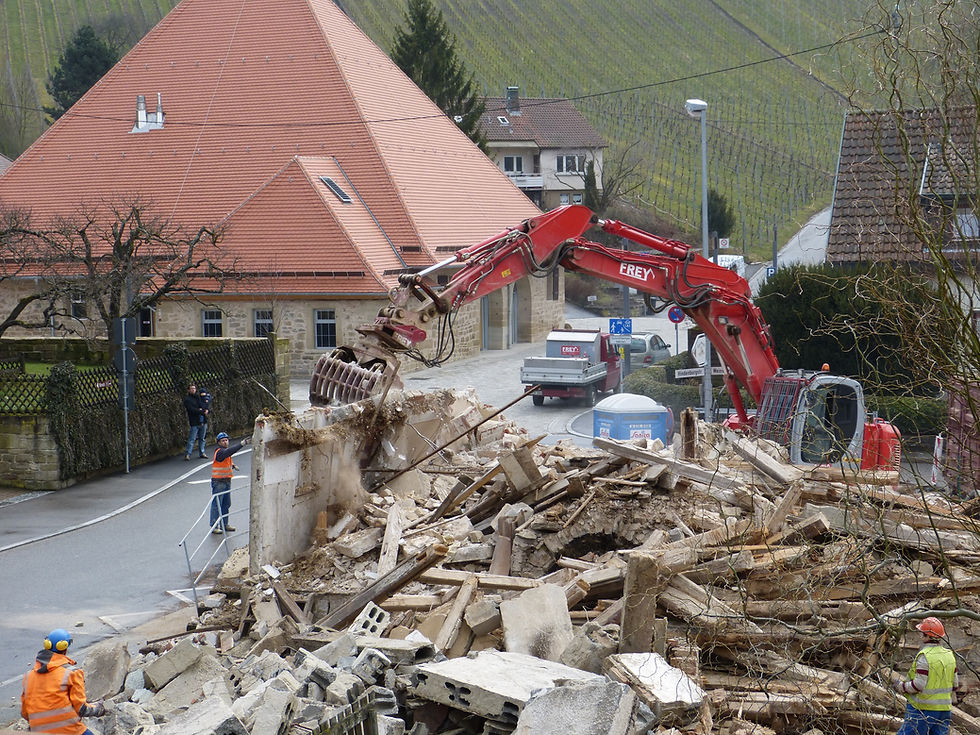
Demolition work involves tearing down structures, operating heavy machinery, handling debris, and working near occupied buildings or public spaces. These exposures are very different from standard construction work.
That’s why demolition contractors need insurance specifically tailored to their operations. The right policies protect you from financial losses, help you meet contract requirements, and make it easier to secure an accurate insurance program built for demolition risks.

Core Insurance Coverages for Demolition Contractors
General Liability Insurance is the foundation of any demolition contractor insurance program. It covers third‑party bodily injury and property damage claims related to your work.
For example, if demolition debris damages a neighboring building, sidewalk, or utility line, this coverage helps handle repair costs and legal defense. Most project owners require proof of general liability before work begins.
Workers’ Compensation Insurance is required in most states if you have employees. Demolition work is physically demanding and hazardous, involving falling materials, heavy equipment, and confined spaces.
This coverage helps pay medical expenses and lost wages if an employee is injured on the job. It also protects your business by limiting lawsuits related to workplace injuries.
Demolition contractors rely on trucks to transport equipment and haul debris. Commercial Auto Insurance covers vehicles used for business purposes.
Personal auto policies typically exclude business use, meaning claims may be denied without proper coverage. Commercial auto protects your vehicles, your drivers, and your business liability.
Inland Marine Insurance, often called contractors equipment insurance, covers mobile equipment while it’s on a jobsite, in transit, or stored temporarily.
This is essential for demolition contractors who rely on excavators, skid steers, breakers, crushers, and specialized attachments. Theft, vandalism, or accidental damage can cause costly delays without this coverage.
An Umbrella Insurance Policy provides additional liability protection above your general liability and commercial auto limits.
Demolition claims can escalate quickly, especially if there’s significant property damage or injury. Umbrella coverage offers added protection without requiring changes to every underlying policy.
Additional Coverage Considerations for Demolition Contractors
Pollution or Environmental Liability
Some demolition projects involve asbestos, lead, or other hazardous materials. Standard policies may exclude these exposures.
Environmental or pollution liability coverage may be needed for certain jobs and should be reviewed carefully before work begins.
Certificates of Insurance and Contract Requirements
Many demolition projects require certificates showing specific limits or additional insured endorsements. Having the correct policies in place makes it easier to meet these requirements quickly and avoid delays.
How Coverage Impacts Your Insurance Structure
The types of insurance you carry directly affect how your policy is designed and how well it responds during a claim. Clear descriptions of your demolition work, equipment, and project types help ensure appropriate coverage from the start.
Contractors often ask, “How much does insurance cost?” but having the right coverages in place is far more important than focusing only on price. Proper protection prevents coverage gaps that can become expensive later.
Frequently Asked Questions
Is general liability enough for a demolition contractor?
No. General liability covers third‑party claims only. It does not cover employee injuries, vehicle accidents, or damage to your own equipment.
Do owner‑operators need the same coverage?
Owner‑operators still face property damage and liability risks. While workers’ comp rules may vary, general liability and auto coverage are still essential.
Does equipment insurance cover rented machinery?
Sometimes. Rented equipment may require special endorsements, so it’s important to confirm coverage before using rental equipment.
When should demolition insurance be reviewed?
Any time you add employees, purchase equipment, expand services, or take on larger projects, your coverage should be reviewed and updated.
Get the Right Insurance Coverage for Your Demolition Business
Demolition insurance isn’t one‑size‑fits‑all. Your coverage should reflect the real risks of your work, your equipment, and the projects you take on.
To review your coverage or get a tailored insurance solution from a contractor specialist, contact Excavating Insurance Partners.
Call 317‑942‑0549 or visit https://www.excavatinginsurancepartners.com/

Comments