
How to Start a Fill Dirt and Topsoil Selling Business: Sourcing, Hauling, Permits, and Insurance
Starting a fill dirt and topsoil selling business can look simple from the outside. Dirt comes out of one jobsite, gets hauled to another, and money changes hands. In reality, profitable dirt sales depend on sourcing quality material, managing trucking costs, understanding local regulations, and building reliable contractor relationships.
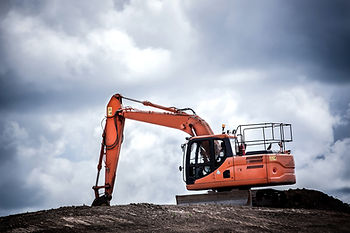
The good news is that many excavation contractors already have access to the equipment, contacts, and knowledge needed to enter this business. If you're wondering how to start a fill dirt and topsoil selling business, this guide will walk through the major steps, common challenges, and practical considerations that can help you build a sustainable operation.
How Do You Start a Fill Dirt and Topsoil Selling Business?
Starting a fill dirt and topsoil selling business typically involves securing legal sources of material, arranging storage or staging areas, obtaining required permits, setting up hauling capabilities, establishing pricing, and finding customers such as contractors, builders, landscapers, developers, and homeowners.
Success often depends less on finding dirt and more on moving it efficiently while providing consistent quality and reliable delivery.
Understand the Difference Between Fill Dirt and Topsoil
Before selling material, it's important to know exactly what you're offering.
Fill Dirt
Fill dirt generally contains:
Clay
Sand
Gravel
Subsoil material
Minimal organic matter
Contractors use fill dirt for:
Site grading
Building pads
Utility trench backfill
Foundation support
Landscape elevation changes
Most buyers aren't concerned about appearance. They care about compaction and stability.
Topsoil
Topsoil contains more organic material and nutrients.
Common uses include:
Lawn installation
Landscaping
Seeding projects
Garden construction
Erosion control
Topsoil customers often expect screened, consistent material free from large rocks, debris, roots, and construction waste.
Where to Source Fill Dirt and Topsoil
One of the biggest mistakes new operators make is assuming dirt supply will never be a problem.
Successful businesses create multiple sourcing relationships.
Excavation Contractors
Local excavation contractors are often excellent sources of fill dirt.
Projects that generate excess material include:
Basement excavations
Utility installations
Commercial site work
Pond construction
Building pad preparation
Many contractors would rather move usable soil than pay disposal costs.
Land Development Projects
Large residential and commercial developments frequently create excess material during grading operations.
Building relationships with site contractors can create a steady supply of fill dirt.
Screening Operations
Some operators purchase raw material and process it into screened topsoil.
This approach requires:
Screening equipment
Additional labor
Processing areas
Material management systems
However, screened topsoil may command stronger demand in landscaping and residential markets.
Build a Reliable Hauling Operation
Transportation often determines whether a dirt-selling business succeeds or struggles.
A contractor may acquire material at favorable rates but lose profitability through inefficient hauling.
Common equipment includes:
Tandem dump trucks
Tri-axle dump trucks
End dumps
Transfer trucks
Loaders
Excavators
Skid steers
Your delivery area will largely be determined by trucking efficiency.
Longer haul distances increase:
Fuel costs
Driver time
Maintenance costs
Scheduling complexity
Determine Your Storage and Staging Strategy
Some businesses operate entirely on a broker model, moving material directly from one project to another.
Others maintain inventory yards where material can be stored and loaded as needed.
Advantages of storage yards include:
Inventory availability
Faster delivery scheduling
Better quality control
Ability to screen and blend materials
Potential challenges include:
Zoning restrictions
Stormwater requirements
Dust control
Additional equipment costs
Before purchasing or leasing property, verify local zoning and land-use requirements.
Understanding Permits and Regulatory Requirements
Permits and regulations vary significantly by state, county, and municipality.
Depending on your operation, requirements may involve:
Business licenses
Truck registrations
Stormwater compliance
Land-use approvals
Material handling permits
Environmental regulations
Always check with your local government and state agencies before beginning operations.
For environmental guidance affecting soil movement, erosion control, and construction activities, businesses should review information from the U.S. Environmental Protection Agency (EPA).
Material Quality Concerns
Contractors should understand material origin and avoid accepting questionable loads.
Potential concerns include:
Construction debris
Contaminated soils
Industrial waste
Hazardous materials
Accepting unsuitable material can create expensive disposal and liability issues later.
Finding Customers for Your Dirt Business
Demand for fill dirt and topsoil often comes from several markets.
Excavation Contractors
Many contractors regularly need fill material.
Develop relationships with:
Excavation companies
Utility contractors
Septic installers
Demolition contractors
Site-work contractors
Builders and Developers
Builders frequently require:
Building pad material
Lot grading fill
Backfill material
Reliable supply and timely delivery often matter more than having the lowest price.
Landscapers
Landscaping companies are frequent buyers of topsoil.
Screened topsoil may be particularly attractive for:
Lawn installations
Residential landscaping
Commercial landscape improvements
Homeowners
Homeowners often purchase material for:
Drainage projects
Yard leveling
Garden preparation
New construction
Simple online quoting and clear delivery policies can help attract residential customers.
Pricing Your Material
There is no universal dirt pricing formula.
Costs vary by:
Material quality
Processing requirements
Haul distance
Local demand
Equipment costs
Labor expenses
Fuel prices
Sample Pricing Framework
Example only. Actual results vary by market, equipment, execution, and operating conditions.
A contractor evaluating a proposed delivery might consider:
Material acquisition cost
Loader operating costs
Driver labor
Truck ownership expense
Fuel consumption
Administrative overhead
The selling price must cover these costs while producing a reasonable business margin.

Combining Dirt Sales With Existing Excavation Services
Many excavation companies already own equipment suitable for dirt sales.
This creates opportunities to generate additional revenue streams.
For example, contractors already performing grading and excavation work may benefit from expanding into material sales instead of paying disposal fees.
Similarly, operators looking for complementary revenue streams should consider opportunities discussed in Small Excavation Jobs: 15 Profitable Jobs a Solo Operator Can Take On, where equipment versatility often drives profitability.
Another area worth exploring is utility construction work. Companies pursuing larger infrastructure projects may find useful insights in Right-of-Way Clearing Jobs: How Utility and Pipeline ROW Work Gets Bid, particularly when clearing and grading activities create opportunities for material movement and site preparation services.
What Most People Get Wrong
Many new operators focus almost entirely on dirt supply.
In reality, transportation is usually the biggest challenge.
Dirt itself is often plentiful. The businesses that thrive are the ones that coordinate trucks efficiently, maintain dependable delivery schedules, control fuel expenses, and consistently communicate with customers. Logistics often matter more than the dirt.
Insurance and Licensing Reality Check
Before selling and hauling fill dirt or topsoil, contractors should review their insurance program carefully.
Many project owners, developers, and commercial customers require Certificates of Insurance (COIs) before allowing work on-site.
Common coverages include:
General Liability Insurance
General liability insurance may help protect against covered third-party bodily injury or property damage claims resulting from business operations.
Commercial Auto Insurance
Commercial auto insurance is often one of the most important coverages for businesses operating dump trucks and delivery vehicles.
Equipment Insurance
Inland marine insurance, frequently called equipment insurance, may help protect covered loaders, excavators, skid steers, and other mobile equipment from certain physical damage losses.
Workers' Compensation Insurance
Workers' compensation requirements vary by state and business structure. Businesses with employees should review state requirements and seek guidance from Total Work Comp.
Umbrella Liability Insurance
Some contractors, municipalities, and commercial customers request higher liability limits. Umbrella insurance may provide additional liability protection above certain underlying policies.
Businesses expanding into dirt sales and hauling should review coverage requirements with a licensed insurance agent familiar with excavation, trucking, and site-work operations.
For safety guidance relating to trucking and construction operations, operators should review resources from the Occupational Safety and Health Administration (OSHA).
Frequently Asked Questions
Can I start a fill dirt business with one dump truck?
Yes. Many operators start with a single truck and gradually expand as they develop supplier and customer relationships.
Do I need permits to sell fill dirt?
Possibly. Requirements vary by location and may depend on storage, processing, hauling, and land-use activities.
Is selling topsoil different from selling fill dirt?
Yes. Topsoil buyers often expect higher-quality material that has been screened and processed for landscaping use.
Who buys the most fill dirt?
Common customers include excavation contractors, developers, builders, landscapers, municipalities, and homeowners.
Can excavation contractors add dirt sales as a side business?
In many cases, yes. Contractors already operating loaders, excavators, and dump trucks may have equipment and relationships that support material sales.
Final Thoughts
Starting a fill dirt and topsoil selling business can be a natural extension of excavation, site-work, grading, and trucking operations. Contractors who secure reliable material sources, manage hauling efficiently, understand local permitting requirements, and maintain consistent quality are often best positioned for long-term success.
The key is to think beyond the dirt itself. Transportation, logistics, customer service, compliance, and risk management are what separate a profitable operation from one that struggles.
If your company sells fill dirt, hauls material, performs excavation work, or operates heavy equipment, Excavating Insurance Partners can help you review your exposures and request a free, no-obligation insurance quote tailored to excavation and site-work businesses.


Comments