
Silica Dust Rules for Excavation and Demolition Crews
Dust is part of the job, but not all dust is the same. When excavation and demolition crews cut, break, crush, drill, or move materials containing silica, they may be exposed to a serious workplace hazard that can affect long-term health.
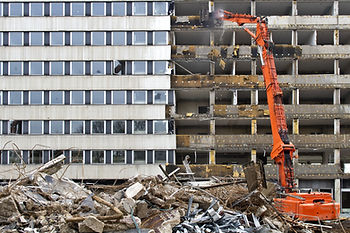
Understanding silica dust rules for excavation and demolition crews is important for protecting workers, maintaining OSHA compliance, and reducing jobsite risks. Whether you're operating an excavator on a demolition project, handling concrete debris, or moving spoil piles containing crushed material, knowing the rules can help keep your crew safe and your business running smoothly.
What Is Silica Dust?
Silica is a naturally occurring mineral found in many common construction materials.
Materials that may contain crystalline silica include:
Concrete
Asphalt
Stone
Rock
Sand
Brick
Mortar
Tile
When these materials are cut, broken, drilled, crushed, or disturbed, tiny particles can become airborne. These particles are often small enough to be inhaled deep into the lungs.
The danger is that workers may not realize how much exposure they are receiving because silica dust is frequently invisible to the naked eye.
Why Silica Exposure Matters
Silica exposure is more than just a nuisance dust issue.
Repeated exposure to respirable crystalline silica may contribute to serious health conditions, including:
Silicosis
Lung cancer
Chronic obstructive pulmonary disease (COPD)
Kidney disease
Because health effects may develop over time, preventing exposure is critical.
Many contractors focus on immediate jobsite hazards such as trench collapses, utility strikes, and equipment accidents. Silica exposure deserves the same attention because the consequences can impact workers years after exposure occurs.
For additional information about silica hazards, visit the OSHA silica resource page: https://www.osha.gov/silica-crystalline.
Which Excavation and Demolition Activities Create Silica Dust?
Many contractors assume silica exposure only affects concrete cutting crews. In reality, excavation and demolition operations regularly create silica dust.
Common high-risk activities include:
Demolishing concrete structures
Breaking pavement
Trenching through concrete surfaces
Crushing debris
Loading demolition waste
Milling asphalt
Hauling aggregate materials
Dry sweeping dusty areas
Jackhammer operations
Rock drilling
Even if workers are not directly performing the task, nearby crews may still be exposed.
For example, an excavator operator loading broken concrete into dump trucks may generate airborne dust that affects laborers working nearby.
OSHA's Silica Standard for Construction
The Occupational Safety and Health Administration (OSHA) regulates worker exposure to respirable crystalline silica in construction.
The standard generally requires employers to:
Assess exposure risks
Limit worker exposure
Use engineering controls when possible
Provide respiratory protection when required
Train employees
Maintain compliance records when applicable
Requirements can vary depending on the work activity, exposure levels, and control methods being used.
Contractors should review current OSHA requirements and consult qualified safety professionals because regulations may change over time.
Common Silica Control Methods
The best approach is preventing dust from becoming airborne whenever possible.
Water Suppression
Water is one of the most effective dust control tools available.
Common examples include:
Water sprays during demolition
Wet cutting methods
Dust suppression during crushing operations
Water trucks on haul roads
Keeping materials damp may significantly reduce airborne dust generation.
However, contractors should make sure water use does not create additional hazards such as slippery surfaces or erosion issues.
Dust Collection Systems
Many modern tools and equipment can be equipped with dust collection systems.
Examples include:
Concrete saws
Grinders
Drills
Chipping tools
These systems capture dust near the source before it spreads throughout the work area.
Enclosed Equipment Cabs
Operators working in enclosed cabs may receive additional protection when equipment is properly maintained.
This often includes:
Closed doors and windows
Functional seals
Proper filtration systems
Routine maintenance inspections
Damaged cab seals can reduce the effectiveness of dust protection measures.
Employee Training Requirements
Training is an important part of silica dust compliance.
Workers should understand:
What silica dust is
Where exposure occurs
Health risks associated with exposure
Proper dust control methods
Respirator requirements
Reporting procedures
Supervisors should also understand how silica exposure affects different work activities.
A laborer cleaning up demolition debris and an excavator operator loading trucks may face different exposure risks, even when working on the same project.
Respiratory Protection: When Is It Needed?
Respirators may be required when engineering controls alone cannot adequately reduce exposure.
Depending on work conditions, contractors may need:
Respirator selection procedures
Medical evaluations
Fit testing
Employee training
Maintenance procedures
Respirator requirements can become complex, especially on larger commercial projects.
Because specific requirements depend on job conditions and exposure levels, contractors should follow applicable OSHA guidance and consult qualified safety experts when needed.
Silica Exposure on Demolition Projects
Demolition work often creates some of the highest silica exposure risks in construction.
Activities that commonly generate dust include:
Structural demolition
Concrete breaking
Debris loading
Material crushing
Site cleanup
Before work begins, contractors should evaluate:
Material types
Dust generation potential
Nearby workers
Wind direction
Property exposure
Public access areas
A proactive dust management plan can reduce disruptions and improve worker safety throughout the project.
Silica Risks During Excavation Operations
Excavation contractors may overlook silica exposure because they associate the hazard with demolition.
However, excavation jobs can generate silica dust through:
Rock excavation
Trenching
Utility installation
Aggregate handling
Backfilling operations
Soil stabilization projects
Dust conditions often become worse during:
Dry weather
High winds
Heavy traffic
Large earthmoving operations
Monitoring conditions throughout the day can help crews adjust control measures as jobsite conditions change.
How Silica Dust Can Impact Contracts and Insurance
Many commercial projects now include detailed safety requirements related to silica exposure.
General contractors (GCs), municipalities, and project owners may require:
Written safety plans
Employee training records
Site-specific procedures
Certificates of insurance (COIs)
Documentation of compliance efforts
Failure to comply with project requirements may create contractual issues, delays, or disputes.
From an insurance standpoint, several types of coverage may be relevant depending on the circumstances.
Workers' Compensation Insurance
Workers' compensation insurance typically provides benefits for job-related injuries or illnesses as defined by applicable state law and policy provisions.
Requirements vary by state and business structure.
General Liability Insurance
General liability insurance may help cover certain third-party bodily injury or property damage claims, depending on policy terms, exclusions, and claim facts.
Coverage should never be assumed and is subject to policy conditions.
Pollution and Environmental Coverage
Certain dust-related claims or environmental situations may involve specialized coverage considerations.
Coverage availability and applicability vary significantly by policy and insurer.
Contractors should review their operations with a licensed insurance agent to understand potential exposures.

Best Practices for Excavation and Demolition Crews
Successful silica dust management starts with planning.
Consider implementing the following practices:
Conduct pre-job hazard assessments
Identify silica-containing materials
Use water suppression whenever practical
Maintain dust control equipment
Monitor changing site conditions
Train employees regularly
Limit unnecessary exposure areas
Perform equipment maintenance
Keep records of training and safety procedures
A strong safety culture can help reduce exposure risks while supporting overall project efficiency.
Building a Silica Safety Program
Every excavation and demolition contractor should have a written approach to managing silica exposure.
A basic program may include:
Hazard identification procedures
Employee training requirements
Dust control methods
Equipment inspection schedules
Respiratory protection protocols
Incident reporting procedures
Documentation policies
The exact structure should reflect the size of the company, project types, and operational risks.
Additional guidance and construction safety resources are available through the National Institute for Occupational Safety and Health (NIOSH): https://www.cdc.gov/index.html
FAQ
What is respirable crystalline silica?
Respirable crystalline silica is a very small dust particle created when materials such as concrete, rock, sand, or stone are cut, crushed, drilled, or disturbed. These particles can be inhaled deep into the lungs.
Does OSHA regulate silica exposure for excavation contractors?
Yes. OSHA has requirements that may apply to excavation contractors when workers are exposed to respirable crystalline silica during construction activities.
What excavation activities create silica dust?
Common examples include trenching, rock excavation, concrete removal, utility installation, aggregate handling, crushing operations, and demolition debris cleanup.
Are water trucks effective for silica dust control?
Water suppression is one of the most commonly used engineering controls for reducing airborne dust. Effectiveness depends on site conditions and proper application.
Does insurance automatically cover silica-related claims?
Coverage depends on the type of policy, specific claim circumstances, and policy terms. Contractors should discuss their operations and exposures with a licensed insurance professional.
Protect Your Crew and Your Business
Silica exposure is a safety issue that excavation and demolition contractors cannot afford to ignore. Understanding the rules, training your employees, maintaining effective dust control measures, and reviewing your insurance program are all important parts of managing risk on today's jobsites.
Excavating Insurance Partners specializes in insurance solutions for excavation, demolition, site-work, drilling, and heavy equipment contractors.
Request a free quote today: https://www.excavatinginsurancepartners.com/excavating-insurance-quote


Comments