
Night Work Lighting Requirements for Excavation Crews
Night work can be profitable, but it introduces risks that don't exist during daylight hours. Whether you're trenching along a roadway, installing utilities in a busy urban area, or pushing to meet a project deadline, visibility becomes one of the most important safety factors on the job.
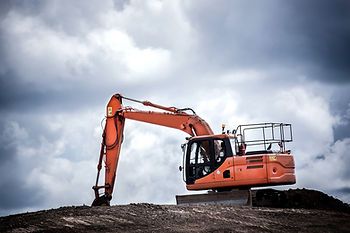
Understanding night work lighting requirements for excavation crews is about more than bringing a few light towers to the site. Proper lighting affects worker safety, equipment operation, traffic control, production quality, and project efficiency. A poorly lit excavation can create hazards for operators, laborers, inspectors, subcontractors, and the public.
For excavation contractors, working after dark requires planning that goes well beyond simply turning on the lights.
What Are Night Work Lighting Requirements for Excavation Crews?
Night work lighting requirements for excavation crews generally involve providing adequate illumination so workers can safely perform tasks, identify hazards, operate equipment, and move throughout the jobsite.
Specific lighting requirements vary based on project conditions, governing regulations, contract requirements, and the nature of the work being performed. Contractors typically focus on maintaining visibility around excavations, equipment travel paths, access points, work zones, and traffic-control areas.
The goal is simple: every worker should be able to see hazards before those hazards become accidents.
Why More Contractors Are Working at Night
Many excavation contractors are performing more nighttime work than they did a decade ago.
Common reasons include:
Traffic restrictions
Utility shutdown schedules
Urban construction requirements
Municipal contracts
Emergency repairs
Tight project deadlines
Heat-related concerns during summer
Night work is especially common on:
Roadway projects
Utility installations
Sewer repairs
Water main replacements
Infrastructure upgrades
Airport construction
Industrial facilities
While traffic may be lighter at night, visibility risks increase significantly.
The Biggest Risk: Reduced Visibility
Excavation work already presents hazards during daylight.
Those same hazards become harder to identify after sunset.
Reduced visibility can affect:
Equipment operators
Spotters
Laborers
Inspectors
Delivery drivers
Pedestrians
Motorists
A trench that is clearly visible during the day may become difficult to recognize at night without proper lighting.
The same applies to spoil piles, equipment tracks, utility crossings, and temporary access roads.
Areas That Require the Most Attention
Not every part of the jobsite requires identical lighting.
Experienced contractors focus on critical areas first.
Excavation Areas
Workers should be able to clearly identify:
Trench edges
Excavation walls
Grade changes
Spoil piles
Shoring systems
Access ladders
Excavation hazards become significantly more dangerous when visibility is limited.
Equipment Operating Zones
Excavators, dozers, loaders, and compact equipment often continue operating after dark.
Proper lighting helps operators identify:
Workers
Utilities
Obstacles
Other equipment
Material stockpiles
Blind spots become even more problematic at night.
Access and Travel Paths
Workers frequently move between trucks, equipment, material staging areas, and excavation locations.
Lighting should help crews safely navigate:
Walkways
Access ramps
Stairs
Temporary roadways
Entry points
Traffic-Control Areas
Roadway work often requires special attention to visibility.
Drivers approaching a nighttime work zone must be able to identify:
Barriers
Cones
Signage
Equipment
Workers
This area deserves particular focus because workers may be operating close to moving traffic.
Types of Lighting Commonly Used
Night excavation projects often rely on multiple lighting sources.
Light Towers
Portable light towers remain one of the most common jobsite solutions.
They can illuminate larger work zones and provide flexibility as projects move.
Equipment Lighting
Many machines include:
Work lights
LED light packages
Backup lighting
Cab lighting
Equipment lighting supplements but rarely replaces overall jobsite lighting.
Temporary Site Lighting
Larger projects may install dedicated temporary lighting systems that remain in place throughout construction.
Task Lighting
Certain tasks may require additional localized lighting.
Examples include:
Utility connections
Survey work
Inspections
Equipment repairs
The goal is matching lighting to the work being performed.
Equipment Operators Face Different Challenges at Night
Operating an excavator at noon differs significantly from operating one at midnight.
Night operators often deal with:
Reduced depth perception
Increased glare
Shadows
Weather impacts
Fatigue
Even experienced operators may find some tasks take longer during nighttime operations.
Visibility affects judgment.
Judgment affects production.
Production affects profitability.
The connection is real.
Explore more in our blog: Spotters and Hand Signals: The Communication Rules That Prevent Struck-Bys
Shadow Management Is Often Overlooked
Many contractors think more lighting automatically solves the problem.
That's not always true.
Poorly placed lighting can create:
Deep shadows
Visual distortion
Glare
Hidden hazards
For example, a trench edge may appear safe while a shadow conceals a drop-off nearby.
Successful lighting plans focus on eliminating dangerous shadows rather than simply increasing brightness.

What Most People Get Wrong
The biggest mistake contractors make is assuming nighttime visibility problems can be solved by adding more light towers.
In reality, lighting placement matters just as much as lighting intensity.
An overly bright light placed incorrectly can create glare, blind operators, and hide hazards. The safest jobsites are usually the ones with balanced lighting that allows workers to clearly identify conditions from multiple angles.
More light is not always better.
Better light is better.
Weather Can Make Lighting Less Effective
Nighttime lighting becomes more complicated when weather enters the equation.
Common issues include:
Rain
Fog
Snow
Dust
Mist
Ice
These conditions can:
Reflect light
Reduce visibility
Create glare
Distort depth perception
Contractors should recognize that lighting needs may change as weather conditions change.
A setup that works perfectly on a clear night may be less effective during foggy conditions.
Utility Work After Dark
Utility contractors regularly perform nighttime work because shutting down services during peak daytime hours is often impractical.
Common nighttime utility projects include:
Water main repairs
Sewer repairs
Electrical infrastructure work
Fiber-optic installations
Gas utility projects
Even at night, contractors must continue following utility-location procedures before excavation.
Resources such as Call 811 Before You Dig help support safe excavation practices around underground infrastructure.
Darkness does not reduce utility-strike risks.
If anything, it increases the importance of careful planning.
Communication Becomes More Important
Night work often limits visual communication.
Workers may have greater difficulty identifying:
Hand signals
Site hazards
Crew movements
As a result, some contractors place greater emphasis on:
Radio communication
Spotters
Daily briefings
Shift planning
Clear communication can help compensate for reduced visibility.
Equipment Inspections Matter More at Night
Night operations place additional demands on equipment.
Contractors commonly check:
Headlights
Work lights
Warning strobes
Backup alarms
Reflectors
Battery condition
A failed light during daylight may be an inconvenience.
A failed light during nighttime excavation can become a safety issue.
Routine inspections help reduce interruptions.
Roadway Excavation Requires Extra Planning
Many nighttime excavation projects occur along active roadways.
Contractors may need to coordinate:
Traffic-control plans
Lane closures
Flagging operations
Public safety requirements
Work-zone visibility
The Federal Highway Administration provides work-zone safety resources through https://highways.dot.gov/
Projects involving traffic often require additional lighting and visibility measures beyond standard excavation work.
Insurance and Licensing Reality Check
Nighttime excavation creates many of the same exposures contractors face during daylight operations, but reduced visibility can increase the potential for accidents, equipment damage, vehicle incidents, and workplace injuries.
Licensing requirements vary by state, municipality, and project type. Contractors should verify applicable licensing requirements through the appropriate local and state authorities.
From an insurance perspective, excavation contractors commonly evaluate:
General liability insurance
Workers' compensation where required
Umbrella liability insurance
Pollution-related coverage where applicable
Contractors operating excavators, loaders, dozers, and support equipment across multiple jobsites may also benefit from reviewing Mobile Equipment Insurance: Protecting Machines Across Job Sites, particularly when equipment is transported frequently between nighttime and daytime projects.
Good Lighting Supports Good Work
The best night-work crews understand something simple.
Lighting is not just a safety expense.
It's a productivity tool.
Workers who can clearly see:
Dig more accurately
Operate equipment more effectively
Identify hazards sooner
Reduce mistakes
Improve quality
Poor lighting often results in slower production and increased risk.
Good lighting helps crews perform the same quality work at night that customers expect during the day.
For excavation contractors, that's what matters most.
Frequently Asked Questions
Do excavation crews need special lighting for night work?
Yes. Night excavation typically requires sufficient lighting so workers can safely identify hazards, operate equipment, and perform tasks effectively.
What areas should be illuminated on an excavation site?
Critical areas generally include excavations, equipment operating zones, walkways, access points, traffic-control areas, and material staging locations.
Are light towers enough for nighttime excavation?
Not always. Many projects use a combination of light towers, equipment lighting, temporary site lighting, and task-specific lighting.
Why is glare a problem on night construction projects?
Glare can reduce visibility, create eye fatigue, hide hazards, and affect operator judgment, particularly around excavation edges and equipment.
Does weather affect nighttime jobsite lighting?
Yes. Rain, fog, snow, dust, and mist can reduce visibility and alter how lighting performs on a jobsite.
Ready to Protect Your Excavation Business?
Whether you're performing nighttime utility work, emergency repairs, roadway excavation, site development, or large-scale earthmoving projects, having the right insurance program is an important part of protecting your crews, equipment, and business.
Excavating Insurance Partners specializes in excavation, site work, utility installation, land clearing, demolition, septic, drilling, and heavy equipment contractors throughout the United States.
When you're ready to review your coverage, compare options, or request a free, no-obligation quote, visit Excavating Insurance Partners Quote Request and work with a team that understands the real-world challenges of dirt-world contracting.


Comments