
Getting Paid on Residential Jobs: Deposits, Draws, and Final Payment
One of the fastest ways for an excavation contractor to get into financial trouble is doing a lot of work without a clear payment plan. Homeowners may be great customers, but even good customers can create cash flow problems when payment expectations aren't discussed upfront.
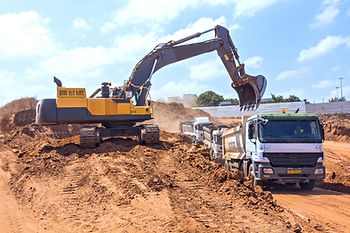
That's why understanding getting paid on residential jobs is so important. Whether you're excavating a house pad, installing a septic system, clearing land, grading a driveway, or trenching utilities, your payment structure can have just as much impact on your business as your production rate. The goal isn't simply finishing the job. The goal is getting paid fairly and on time for the work you complete.
Why Payment Terms Matter on Residential Projects
Unlike commercial jobs where contractors often deal with AIA pay applications, retainage, and monthly billing cycles, residential work tends to move faster and operate with fewer formal processes.
That can be a good thing.
However, it can also create confusion if payment expectations are not clearly documented before equipment arrives on site.
Residential excavation projects often require significant upfront costs, including:
Equipment mobilization
Fuel
Labor
Permit expenses
Aggregate materials
Pipe and utility materials
Trucking costs
Equipment maintenance
Most contractors cannot afford to finance entire projects out of their own pocket while waiting for payment at the end.
That's where deposits and progress draws come into play.
The Short Answer: How Should Excavation Contractors Get Paid on Residential Jobs?
Most residential excavation contractors use a payment structure that includes an upfront deposit, one or more progress draws during the project, and a final payment after completion. The exact amounts vary based on project size, state regulations, contract terms, and customer expectations. A clear written agreement helps both parties understand when payments are due and what work is tied to each payment milestone.
What Is a Deposit?
A deposit is an initial payment made before work begins.
The purpose is generally to help cover startup costs and secure the customer's commitment to the project.
For excavation contractors, deposits may help fund:
Permit applications
Initial material purchases
Equipment scheduling
Mobilization expenses
Project planning
Deposit practices vary significantly by state and local consumer protection laws.
Some states impose limits on deposits for residential construction projects, while others have different requirements depending on project type.
Contractors should always verify applicable regulations in their state before establishing deposit policies.
The key is making sure the customer understands:
Deposit amount
What it covers
When it is due
Whether it is refundable under specific circumstances
Clear communication prevents misunderstandings later.
Why Residential Contractors Use Progress Draws
Progress draws are payments collected as work is completed throughout the project.
Instead of waiting until the end of a job, contractors invoice based on project milestones.
This helps balance cash flow for both parties.
For example, a residential site work project might involve milestones such as:
Mobilization complete
Land clearing complete
House pad complete
Utility trenching complete
Final grading complete
Payment is then tied to completed work rather than estimated completion dates.
Many experienced contractors prefer milestone billing because it aligns compensation with actual project progress.
Common Residential Payment Structures
There is no universal formula that works for every excavation business.
However, several structures are commonly used.
Deposit Plus Final Payment
Smaller jobs may use:
Initial deposit
Final payment upon completion
This approach is often used on short-duration projects.
Examples might include:
Small grading jobs
Minor drainage work
Utility trench repairs
Deposit Plus One Draw
Mid-sized projects often include:
Initial deposit
Mid-project draw
Final payment
This helps reduce contractor cash flow exposure.
Multiple Progress Draws
Larger projects may involve:
Deposit
Several scheduled draws
Final payment
Examples include:
New home site preparation
Septic installation
Extensive land clearing
Long driveway construction
As project complexity increases, additional billing milestones often make sense.
Linking Payments to Milestones
One of the biggest keys to avoiding payment disputes is connecting payments to specific milestones.
Vague agreements create unnecessary risk.
For example:
Less effective:
"Second payment due midway through project."
More effective:
"Second payment due after completion of rough grading and approval of imported fill installation."
Specific milestones reduce confusion for everyone involved.
Homeowners know what they're paying for.
Contractors know when billing becomes appropriate.
Why Waiting Until Completion Can Be Risky
Many newer contractors make the mistake of collecting little or no money until the job is finished.
At first, this may seem customer-friendly.
In reality, it often increases risk.
Consider what can happen during a project:
Weather delays
Permit issues
Design changes
Additional work requests
Customer financing delays
Unexpected site conditions
The contractor continues bearing expenses regardless.
Structured payment schedules help reduce the financial burden created by these uncertainties.
Explore more in our blog: Job Costing for Excavation: Machine Hours, Material, and the Real Margin
Handling Change Orders Correctly
Residential excavation projects rarely go exactly according to plan.
Common examples include:
Rocky soil conditions
Additional stumps discovered
Unsuitable fill removal
Utility conflicts
Expanded grading requests
Additional drainage work
When project scope changes, documentation becomes essential.
Contractors should:
Document the change
Explain the additional work
Establish pricing
Obtain approval when possible
Update payment expectations
Many payment disputes are not actually about the original contract.
They're about extra work that was performed without proper documentation.

What Most People Get Wrong
Many contractors believe customers fail to pay because they're dishonest.
In our experience, most payment problems start with expectations rather than bad intentions.
Homeowners often don't understand excavation work the way contractors do. What seems obvious to an experienced operator may not be clear to a customer seeing the process for the first time. The contractors who get paid most consistently are usually the ones who communicate clearly, document changes carefully, and explain billing milestones before work begins.
Documentation Protects Payment Rights
Good documentation is one of the most valuable tools an excavation contractor has.
Keep records of:
Contracts
Change orders
Site photos
Material tickets
Permit approvals
Inspection reports
Payment receipts
Customer communications
Documentation helps establish what work was performed, when it was completed, and what payment obligations exist.
This becomes particularly important if disagreements arise months later.
Handling Final Payment Professionally
The final payment stage can set the tone for referrals and future business.
Before requesting final payment:
Complete contracted work
Address agreed punch-list items
Provide requested documentation
Confirm customer satisfaction where appropriate
Then invoice promptly.
Waiting weeks to send a final invoice often creates unnecessary delays.
A professional closeout process demonstrates organization and builds trust.
Red Flags Contractors Should Watch For
Most residential customers are reasonable people.
Still, contractors should pay attention to warning signs.
Potential concerns may include:
Refusal to sign written agreements
Constant scope changes
Resistance to payment schedules
Delayed communication
Requests for substantial undocumented work
These situations don't automatically indicate a problem.
However, they may justify additional caution and more detailed documentation.
Cash Flow Is What Keeps Equipment Running
Many excavation businesses focus heavily on revenue.
Revenue matters.
Cash flow matters more.
A contractor can have a full schedule of profitable projects and still experience financial stress if payments arrive too slowly.
Progress billing helps support:
Payroll
Fuel purchases
Equipment payments
Insurance premiums
Material suppliers
Maintenance expenses
Strong cash flow creates flexibility that helps contractors manage normal construction challenges.
No payment structure guarantees business success. Results vary based on market conditions, pricing, project execution, competition, and management decisions. However, thoughtful payment planning generally reduces unnecessary financial pressure.
Insurance and Licensing Reality Check
A strong payment schedule is important, but it doesn't replace proper licensing and insurance.
Residential excavation contractors should verify licensing requirements with their state and local regulatory agencies. Requirements differ significantly depending on location and project scope.
Many excavation businesses carry:
Commercial auto insurance
Workers' compensation insurance where required
Umbrella liability insurance
Customers increasingly ask for proof of insurance before allowing work to begin.
Certificates of insurance (COIs) can help demonstrate professionalism and may be required on certain projects.
Contractors should also follow utility locate requirements before excavation begins. The national 811 system provides guidance and information at:
Excavation safety requirements can be reviewed through OSHA at:
For more information regarding excavation contractor insurance, contractors can review related coverage guides available through Excavating Insurance Partners.
Building a Payment Process That Scales
As your company grows, informal agreements become harder to manage.
Successful excavation businesses often develop consistent systems for:
Written contracts
Deposits
Progress draws
Change orders
Invoicing
Collections
Documentation
A repeatable process allows owners to spend less time chasing payments and more time managing projects.
The goal isn't creating complicated paperwork.
The goal is creating clarity.
Final Thoughts
Getting paid on residential jobs is about more than sending an invoice when the work is done. A structured approach using deposits, progress draws, and final payment milestones helps excavation contractors manage cash flow while giving homeowners a clear understanding of payment expectations.
Whether you're clearing land, building house pads, installing septic systems, or grading driveways, the contractors who get paid most consistently are usually the ones who communicate clearly, document carefully, and establish payment terms before the first piece of equipment arrives on site.
A good payment process protects both the customer and the contractor.
Frequently Asked Questions
Should excavation contractors require deposits?
Many contractors do. However, deposit rules vary by state, project type, and local regulations. Contractors should verify applicable requirements before establishing policies.
What is a progress draw?
A progress draw is a payment tied to completed project milestones rather than waiting until the entire job is finished.
When should final payment be collected?
Final payment is typically requested after contracted work is completed and agreed project requirements have been satisfied.
How many draws should a residential project have?
The number varies depending on project size, duration, complexity, and contract structure. Larger projects often justify multiple draws.
What happens if extra work is discovered during excavation?
Additional work should generally be documented through a change order process that clearly outlines scope changes and associated costs before proceeding whenever possible.
Request a Free Quote From Excavating Insurance
Partners
Whether you're running a one-excavator operation or managing multiple crews handling site work, septic installation, land clearing, grading, and utility projects, proper insurance is a critical part of protecting your business.
Excavating Insurance Partners works with excavation, demolition, septic, drilling, land clearing, utility, and heavy equipment contractors across the United States. We understand the real-world challenges contractors face every day, from customer contracts and payment delays to equipment investments, 811 requirements, and jobsite risk.
When you're ready to launch, grow, or review your current coverage, request a free quote at:
There's no pressure and no obligation. Just practical guidance from insurance professionals who understand the dirt-work industry.


Comments