
Land Grading Contractor Insurance in California: A Complete Guide
Updated: Sep 2
Grading work looks straightforward—move dirt, level the site, get it ready for the build. But if you’ve been in the field, you know it’s never that simple. Between slope mistakes, drainage issues, and buried utility risks, one bad cut can turn into a six-figure problem fast.
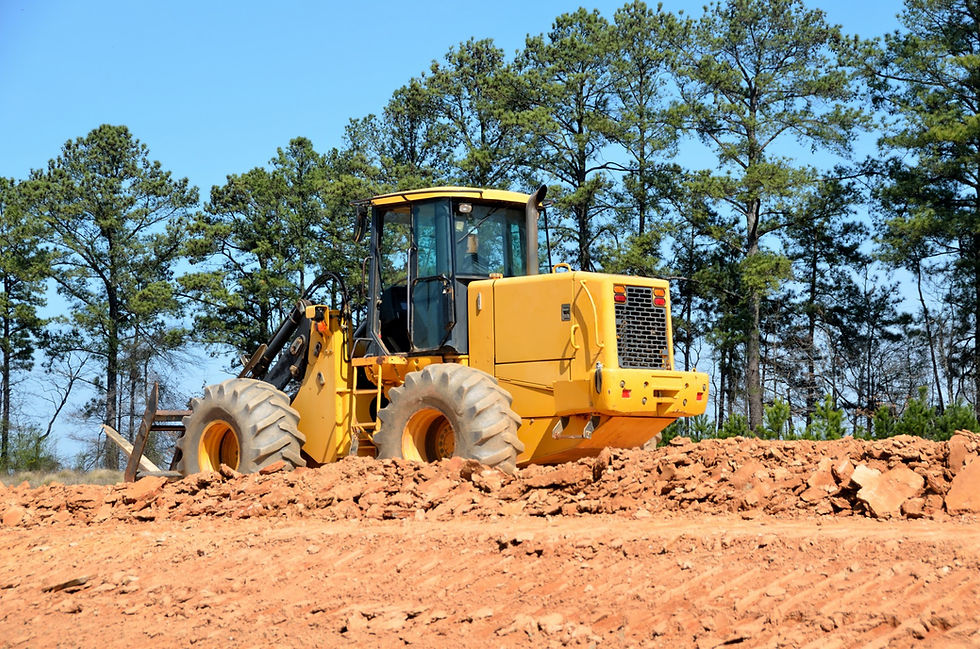
If you’re operating in California, you’ve also got strict regulations, licensing requirements, and job site exposure that makes insurance non-negotiable. In this guide, we’ll break down land grading contractor insurance in California, what’s required, what it costs, and how to protect your business the right way.
What Is Land Grading Contractor Insurance?
Land grading contractor insurance is not a single policy. It’s a combination of coverages designed to protect your grading business from job site risks, equipment damage, lawsuits, and employee injuries.
Grading contractors face unique exposures, including:
Soil movement and drainage issues
Equipment rollover risks
Working near underground utilities
Erosion and runoff liability
Because of these risks, your insurance needs are more specialized than a typical contractor.
Quick Answer: Requirements and Costs
Requirements:
California does not require every type of insurance by law, but most land grading contractors must carry workers’ compensation insurance if they have employees. General liability insurance is almost always required by general contractors, developers, and municipalities before you can start a job. Commercial auto coverage is required for vehicles driven on public roads.
Costs:
Insurance costs vary based on payroll, equipment value, job types, and claims history. Smaller grading operations may pay a few thousand dollars annually for basic coverage, while larger operations with multiple crews and heavy equipment fleets will pay significantly more.

Why Insurance Is Critical for Grading Contractors in California
California adds another layer of complexity to grading work. You’re dealing with stricter environmental rules, tighter job sites, and higher property values.
Common risks include:
Improper grading leading to water runoff and property damage
Soil erosion affecting neighboring properties
Working in wildfire-prone areas where equipment can spark fires
Utility strikes during pre-grade prep
Before digging or grading, contractors are legally required to follow 811 utility locate laws. Learn more through USA North 811: https://usanorth811.org/
Even if you follow all procedures, accidents still happen. Insurance is what keeps a mistake from shutting down your business.
Core Insurance Coverages for Land Grading Contractors
A complete insurance program includes several policies working together. Here’s how each one protects your grading operation.
General liability insurance covers third-party bodily injury and property damage.
Example:
Your grading work causes water to flow onto a neighboring property
A homeowner claims your slope work damaged their foundation
A bystander is injured near your equipment
This is the policy most GCs require before issuing a certificate of insurance (COI).
Workers’ compensation covers your employees if they get hurt on the job.
California requires this coverage for any business with employees.
Example:
A crew member gets injured while operating a grader
A worker slips on loose soil and requires medical care
This policy helps pay for medical costs and lost wages while protecting your business from lawsuits.
You can review state requirements here: https://www.dir.ca.gov/dwc/
An inland marine policy, also called an equipment floater, covers your equipment while it moves between job sites or sits on location.
Example:
A skid steer is stolen overnight
A grader tips over on uneven terrain
Equipment is damaged during transport
For grading contractors, this coverage is essential since equipment is a major investment.
Commercial Auto Insurance
Commercial auto insurance covers trucks and trailers used for business.
Example:
Your dump truck is involved in an accident
A driver damages property while hauling fill material
Personal auto insurance usually won’t cover work-related hauling or heavy equipment transport.
Pollution Liability Insurance
Grading often impacts soil, drainage, and environmental conditions.
Example:
Runoff from your grading work damages surrounding areas
A fuel spill contaminates soil
Pollution liability helps cover cleanup costs and environmental damage claims.
Umbrella Insurance
Umbrella insurance provides additional liability coverage above your existing policies.
Example:
A large property damage claim exceeds your general liability limits
A runoff issue affects multiple neighboring properties
This is especially important for grading contractors working on large developments or commercial jobs.
California-Specific Requirements and Expectations
Even when insurance isn’t legally required, it’s often contractually required.
Licensing Requirements
Grading contractors in California typically operate under a contractor’s license issued by the Contractors State License Board (CSLB). Insurance helps support compliance and credibility when bidding jobs.
Certificates of Insurance (COIs)
Before starting work, most clients will request a COI showing:
Active coverage
Policy limits
Additional insured status
Endorsements required by contract
If your COI doesn’t meet contract terms, you may not be allowed on the job site.
Environmental Compliance
California has strict environmental regulations, especially around:
Drainage changes
Soil erosion
Sediment runoff
These risks directly tie into your insurance coverage—especially pollution liability.
What Affects Insurance Costs in California?
Insurance pricing depends on several factors specific to your grading operation.
Size of Your Business
Annual revenue
Number of employees
Payroll
Type of Projects
Residential vs. commercial grading
Hillside grading vs. flat land work
New construction vs. redevelopment
Equipment Value
Total equipment owned
Type of machinery used
Claims History
Past insurance claims
Safety practices
Location
Urban areas and high-value property zones often increase risk
Because of California’s higher risk environment, premiums tend to be higher than in many other states.
Real-World Grading Risks
If you’ve worked grading jobs, these scenarios will sound familiar:
A slope isn’t compacted correctly and shifts after a storm
Improper grading causes water to pool and damage a structure
A dozer slides on loose soil and damages nearby property
You uncover undocumented utilities during grading
These risks can lead to lawsuits, repair costs, and project delays.
Common Insurance Mistakes Grading Contractors Make
Many contractors leave themselves exposed without realizing it.
Watch out for these mistakes:
Only carrying general liability without pollution coverage
Not updating equipment values in inland marine policies
Using personal auto policies for business trucks
Ignoring contract-specific insurance requirements
Underestimating runoff and erosion liability
The cheapest policy is rarely the best fit—especially in California.
How to Build the Right Insurance Program
The right coverage depends on how your business actually operates.
A knowledgeable agent will ask:
Do you perform hillside grading?
What kind of drainage work do you handle?
What is your total equipment value?
Do you subcontract any work?
What types of projects do you bid?
From there, they’ll build a policy that matches your real exposures—not just a generic contractor package.
FAQ: Land Grading Contractor Insurance in California
1. Is insurance required to do grading work in California?
Workers’ compensation is required if you have employees. Most jobs also require general liability insurance through contract agreements.
2. How much does grading contractor insurance cost?
Costs vary widely depending on payroll, equipment, and project type. Smaller operations may pay a few thousand annually, while larger businesses pay more.
3. Do I need pollution liability for grading?
It’s not always required, but highly recommended due to runoff, erosion, and environmental risks.
4. What does inland marine insurance cover?
It covers your equipment while it moves between job sites or is stored in the field.
5. Will my insurance cover grading mistakes?
Some policies may respond to resulting damage, but coverage depends on your policy terms and exclusions. Always review details with a licensed agent.
Protect Your Grading Business the Right Way
Grading is one of the most important—and risky—parts of any construction project. One mistake with slope, drainage, or soil can lead to major financial exposure.
At Excavating Insurance Partners, we work directly with grading contractors, excavation companies, and site-work professionals across the U.S. We understand the risks you face on real job sites—not just what’s written on paper.
Call 317-942-0549 or visit https://www.excavatinginsurancepartners.com/ to request a free quote and make sure your grading business is fully protected.


Comments