
Is Your Excavator Covered While Being Hauled on a Trailer?
Moving an excavator from one jobsite to another is routine for most excavation contractors. Whether you're hauling a mini excavator across town or transporting a large machine to a commercial site, the trip itself can create risks that many equipment owners overlook.
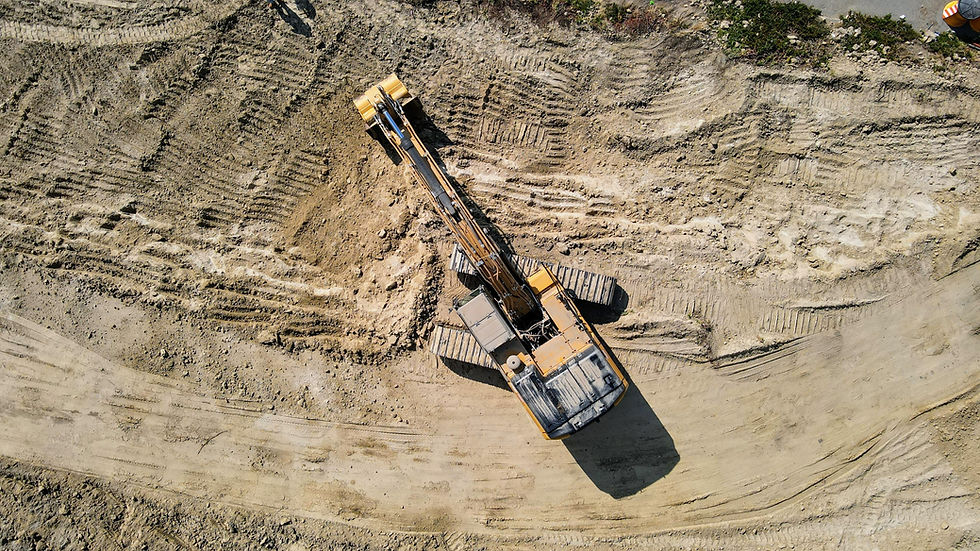
One of the most common questions contractors ask is: Is your excavator covered while being hauled on a trailer? The answer depends on several factors, including who is hauling the equipment, the type of insurance policies involved, how the equipment is insured, and the circumstances of a loss. Understanding these details can help you avoid surprises if something goes wrong on the road.
The Short Answer: Is Your Excavator Covered While Being Hauled on a Trailer?
An excavator being hauled on a trailer may be covered under contractor's equipment insurance, inland marine insurance, commercial auto insurance, or another policy depending on the situation and policy language. Coverage depends on the cause of loss, who owns the equipment, who is transporting it, and how the policy is written.
Because policies vary significantly, contractors should review transportation exposures with a licensed insurance professional before a claim occurs.
Why Equipment Transportation Creates Unique Risks
Most excavators spend a significant amount of time moving between projects.
Equipment may travel between:
Residential jobsites
Commercial developments
Utility projects
Land-clearing sites
Septic installations
Demolition projects
Equipment yards
Repair facilities
Every trip creates potential exposure to accidents, theft, and damage.
Even a well-maintained trailer and experienced driver cannot eliminate all transportation risks.
Common Losses That Occur During Transport
Many contractors assume equipment is most vulnerable while operating.
In reality, transportation claims are common throughout the construction industry.
Examples include:
Traffic accidents
Trailer rollovers
Improper securement
Loading accidents
Unloading accidents
Bridge and overpass strikes
Falling debris
Theft during transport
Fire damage
Weather-related incidents
A single event can damage both the trailer and the excavator.
What Insurance Typically Covers Excavators?
Several insurance policies may play a role when equipment is being transported.
Each policy serves a different purpose.
The details matter.
Contractor's Equipment Insurance
Contractor's equipment insurance is commonly used to insure owned construction equipment.
Covered equipment may include:
Excavators
Mini excavators
Dozers
Skid steers
Loaders
Trenchers
Attachments
GPS systems
Many contractor equipment policies are written through inland marine insurance forms.
Depending on policy language, contractor's equipment insurance may help cover a covered loss while equipment is being transported.
Coverage varies by policy.
What Is Inland Marine Insurance?
Despite its name, inland marine insurance is commonly used to insure mobile contractor equipment.
The coverage is designed for equipment that moves from one location to another.
Examples include:
Excavators
Dozers
Demolition attachments
Machine control systems
Survey equipment
Portable tools
Because excavators frequently travel between projects, inland marine insurance is often one of the most important policies for excavation contractors.
Coverage depends on policy terms, exclusions, endorsements, and covered causes of loss.
Does Commercial Auto Insurance Cover the Excavator?
This is one of the biggest areas of confusion for contractors.
Commercial auto insurance generally helps cover covered vehicle-related accidents involving insured vehicles.
Examples include:
Dump trucks
Pickup trucks
Service trucks
Certain trailers
While commercial auto insurance may cover the towing vehicle and potentially the trailer depending on the policy, it does not automatically insure the excavator itself.
Many contractors mistakenly assume the excavator is fully protected under their commercial auto policy.
In reality, separate equipment coverage is often needed.
Always discuss these exposures with your insurance advisor.
Who Owns the Trailer Matters
Ownership can affect how insurance responds.
Common scenarios include:
Contractor-owned trailer
Rented trailer
Borrowed trailer
Third-party hauling company trailer
Each situation may involve different insurance policies and responsibilities.
A contractor transporting their own excavator may have a different insurance arrangement than a contractor hiring a specialized heavy-haul company.
What Happens If the Trailer Is Involved in an Accident?
Suppose a truck towing an excavator is involved in a collision.
Potential damages may include:
Excavator damage
Trailer damage
Vehicle damage
Roadway damage
Property damage
Bodily injury claims
Several insurance policies may be evaluated depending on the facts.
Coverage will vary based on:
Ownership
Policy language
Cause of loss
Applicable endorsements
State regulations
No two claims are exactly alike.
Loading and Unloading Risks
Many excavation contractors focus on road accidents but overlook loading and unloading exposures.
Loading and unloading incidents can happen when:
Driving onto a trailer
Securing equipment
Removing tie-downs
Backing off a trailer
Working on uneven surfaces
Potential losses include:
Rollovers
Boom damage
Track damage
Trailer damage
Employee injuries
These incidents can create both equipment damage and liability concerns.
What If an Excavator Falls Off a Trailer?
Equipment securement failures can result in catastrophic losses.
Possible causes include:
Improper tie-downs
Equipment shifting
Mechanical trailer failures
Road conditions
Operator error
The insurance response depends on the specific facts and policy language involved.
Contractors should never assume all transportation-related losses are automatically covered.
Theft During Transport
Heavy equipment theft remains an ongoing concern.
Transportation can create opportunities for theft because equipment may be left unattended:
At fuel stops
In hotel parking lots
At staging yards
On active jobsites
Items commonly targeted include:
GPS equipment
Attachments
Hydraulic breakers
Machine control systems
Entire machines
Keeping detailed records can help support ownership documentation.
Important records include:
Photos
Serial numbers
Purchase invoices
Equipment schedules
Why Equipment Schedules Matter
Many contractors forget to update equipment schedules after purchasing machinery.
An accurate schedule should include:
Make
Model
Year
Serial number
Equipment value
Major attachments
GPS systems
Properly documenting equipment may help avoid valuation disputes following a covered loss.
Always notify your insurance professional when adding, selling, or modifying equipment.
General Liability Insurance Explained
General liability insurance helps protect businesses from claims involving third-party bodily injury or property damage.
For example, if an excavator being transported falls from a trailer and allegedly damages another person's property, general liability insurance may become part of the review depending on the circumstances and policy language.
General liability insurance generally does not insure damage to your own excavator.
Coverage depends on the policy terms and facts of the claim.
Workers' Compensation Insurance Explained
Workers' compensation insurance helps provide benefits for employees injured while performing work duties.
Transportation-related activities that may result in injuries include:
Loading equipment
Unloading equipment
Securing machines
Trailer maintenance
Requirements vary by state and are subject to change.
Contractors should verify requirements with their state regulators and consult licensed professionals regarding compliance obligations.
For construction safety resources, visit:
Umbrella Insurance Explained
Umbrella insurance provides additional liability protection above certain underlying insurance policies.
Excavation contractors often purchase umbrella coverage because accidents involving heavy equipment can create substantial liability exposures.
Depending on policy language, umbrella insurance may provide additional protection if a covered liability claim exceeds the limits of an underlying policy.
Coverage varies by policy.

Best Practices for Transporting Excavators
Insurance is important, but prevention is even better.
To reduce transportation risks:
Inspect trailers regularly
Verify load ratings
Use proper tie-downs
Train operators
Follow securement requirements
Inspect equipment before transport
Document equipment condition
Review routes in advance
Verify permits when required
Strong transportation procedures can help reduce claims and downtime.
Additional safety resources are available through the National Safety Council:
Common Mistakes Contractors Make
Several issues frequently appear during insurance reviews.
Common mistakes include:
Assuming commercial auto covers the excavator
Failing to schedule equipment
Underinsuring machine values
Forgetting attachments
Not documenting equipment condition
Ignoring transportation exposures
Forgetting rented or borrowed equipment
Regular policy reviews can help identify potential gaps before a loss occurs.
FAQ
Is an excavator covered while being transported on a trailer?
It may be, depending on the insurance policy, cause of loss, equipment schedule, and transportation circumstances.
Does commercial auto insurance cover my excavator?
Commercial auto insurance generally covers covered vehicles and may cover certain trailer-related exposures, but it does not automatically insure the excavator itself.
What insurance typically covers construction equipment?
Many contractors use contractor's equipment insurance or inland marine insurance to help protect heavy equipment and mobile machinery.
Are attachments covered while being transported?
Coverage depends on the policy. Valuable attachments should often be reviewed and properly scheduled when required.
What if I hire someone else to haul my excavator?
Coverage may depend on contracts, ownership, insurance policies, and who is responsible for transporting the equipment. Review transportation arrangements with your insurance advisor.
Protect Your Equipment From Yard to Jobsite
Your excavator faces risks not only while digging but also while traveling between projects. A transportation accident, theft, rollover, or loading incident can create significant expenses if your insurance program does not properly address equipment-in-transit exposures.
At Excavating Insurance Partners, we specialize in helping excavation contractors, site-work companies, demolition contractors, utility contractors, septic installers, drilling contractors, and heavy equipment owners understand their coverage options and protect their valuable equipment.
Request a free, no-obligation quote today and let our team review your equipment transportation and insurance needs.
Whether you operate a single mini excavator or an entire fleet of heavy equipment, our team can help you better understand your coverage options and identify potential gaps before a loss happens.


Comments