
How Much Does Insurance Cost for a Demolition Contractor
Updated: Sep 1
If you run a demolition business, you already know insurance isn’t just another overhead cost—it’s a requirement to stay in business. One project owner asks for higher limits, another needs certificates immediately, and suddenly you’re trying to figure out whether the price you’re being quoted is reasonable or inflated. It’s a common question among contractors: how much does insurance cost for a demolition contractor, and why does it vary so much from one company to the next?
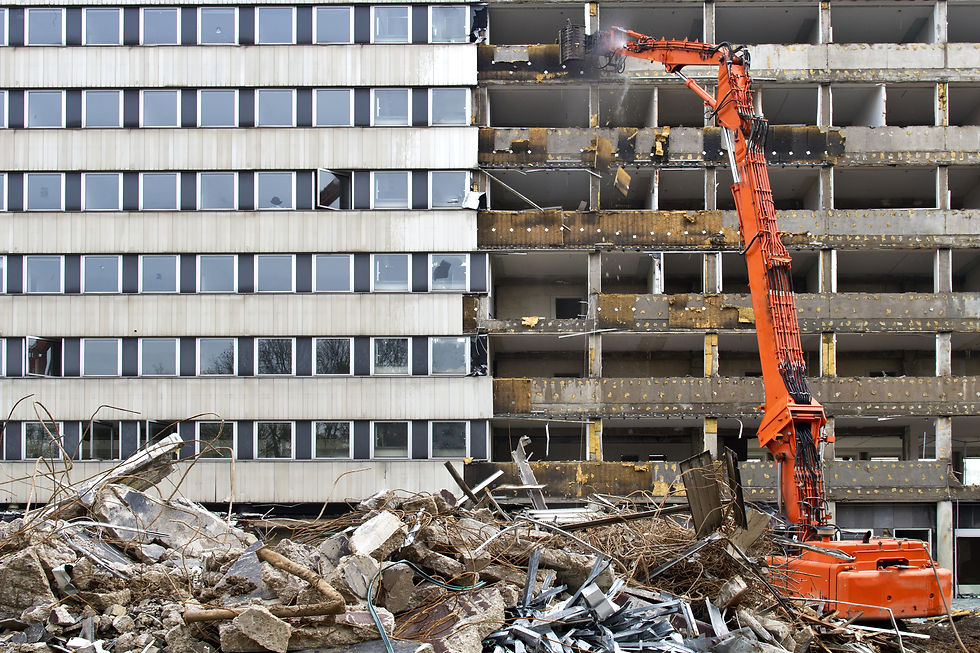
Below, we’ll break down realistic cost ranges, what drives those numbers, and what kind of coverage most demolition contractors actually need.
Average Insurance Costs for Demolition Contractors
Demolition is considered a higher‑risk trade, so insurance costs are typically higher than for many other construction businesses. That said, pricing becomes much more predictable when your business is properly classified and your coverage is structured correctly.
General Liability Insurance is the foundation of demolition contractor coverage. It protects your business from third‑party bodily injury and property damage claims, such as damage to neighboring structures or public property.
Most demolition contractors see annual general liability premiums in the range of $2,500 to $8,000 per year, depending on:
Type of demolition (interior vs. full structural)
Residential vs. commercial projects
Annual revenue
Claims history
Workers’ Compensation Insurance is often the largest insurance expense for demolition contractors due to the physical and hazardous nature of the work.
Typical annual costs often range from $6,000 to $25,000+, depending on:
Payroll size
Job classifications
Use of heavy machinery
Past injury claims
In most states, this coverage is required if you have employees.
Demolition businesses rely heavily on dump trucks, flatbeds, and trailers. Commercial Auto Insurance typically costs:
$1,800 to $4,000 per vehicle per year
Pricing depends on vehicle type, driver records, usage radius, and whether vehicles haul debris or equipment.
Inland Marine / Equipment Insurance covers excavators, skid steers, breakers, and attachments while they’re on jobsites or in transit.
Annual premiums often range from $500 to $3,000, largely based on total equipment value and storage practices.
An Umbrella Insurance Policy provides extra liability protection if a major claim exceeds your base limits.
Many demolition contractors purchase umbrella coverage for $500 to $1,500 per year per million in coverage, adding significant protection for a relatively modest cost.

Total Insurance Cost: What Most Demolition Contractors Can Expect
When all policies are combined, many demolition contractors see total annual insurance costs in the range of:
$10,000 to $40,000+ per year
Smaller owner‑operator businesses may fall toward the lower end, while contractors handling large structural demolitions with multiple crews tend to fall on the higher end.
What Drives Demolition Insurance Costs Up or Down?
Type of Demolition Work
Interior or selective demolition usually costs less to insure than full structural or commercial demolition. Concrete cutting, structural teardown, and utility exposure increase risk.
Business Size and Payroll
More employees and higher payroll directly increase workers’ compensation costs, which heavily impacts the total premium.
Equipment and Vehicles
The number and value of machines and trucks affects both equipment and auto insurance pricing.
Prior liability, workers’ compensation, or auto claims can significantly raise premiums for several years.
Frequently Asked Questions
Is demolition insurance always expensive?
Demolition is a higher‑risk trade, but proper classification and clean claims history can keep costs reasonable.
Can new demolition contractors get affordable insurance?
Yes. New businesses can be quoted using estimated payroll and revenue, with adjustments made at renewal.
Is general liability enough on its own?
No. General liability does not cover employee injuries, vehicle accidents, or damage to your own equipment.
How can I lower my demolition insurance costs?
Accurate job descriptions, good safety practices, clean driving records, and working with a contractor‑focused agency all help control premiums.
Get a Clear, Accurate Insurance Quote for Your Demolition Business
Insurance for demolition contractors doesn’t have to feel like a guessing game. The right coverage structure can protect your business without unnecessary costs.
If you want a clear breakdown of pricing and a customized insurance solution, contact Excavating Insurance Partners for a professional insurance quote for a demolition contractor that fits your operations.
Call 317‑942‑0549 or visit https://www.excavatinginsurancepartners.com/

Comments