
Data Center Earthwork Insurance: Requirements on Hyperscale Projects
Landing a hyperscale data center project can be a major opportunity for an excavation contractor. The grading packages are large, the schedules are aggressive, and successful contractors often find themselves invited back for future work. However, many dirt contractors discover that meeting the insurance requirements can be just as challenging as completing the earthwork itself.
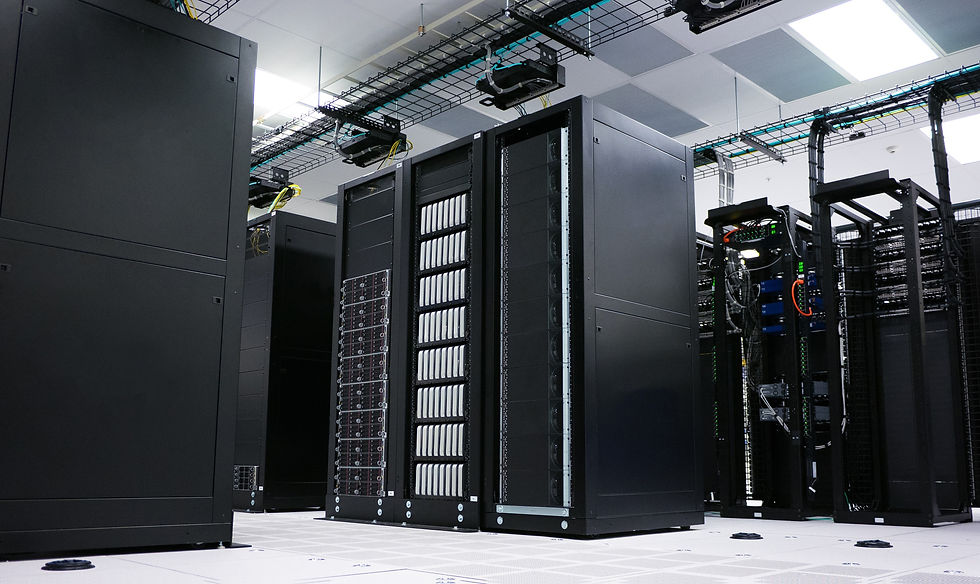
Data center earthwork insurance requirements on hyperscale projects are often more demanding than those found on traditional commercial jobs. Owners, developers, EPCs, and general contractors want assurance that every subcontractor working on-site has the proper coverage in place before equipment starts moving dirt.
What Is a Hyperscale Data Center Project?
A hyperscale data center is a large facility designed to support massive computing, cloud storage, and digital infrastructure operations. These projects often involve extensive site development before building construction begins.
Earthwork contractors may be hired to perform:
Land clearing
Site grading
Mass excavation
Building pad preparation
Stormwater infrastructure
Utility trenching
Access road construction
Retention pond excavation
Soil stabilization
Underground conduit installation
Because these projects involve significant investments and tight deadlines, insurance requirements are often closely scrutinized.
Explore more in our blog: Data Center Site Work: The Buildout Creating Excavation Fortunes
Why Data Center Owners Have Strict Insurance Requirements
Hyperscale developments involve a large number of contractors, expensive infrastructure, and complex construction schedules.
Project stakeholders want to reduce exposure to risks such as:
Utility strikes
Property damage
Vehicle accidents
Employee injuries
Environmental incidents
Equipment losses
Delays caused by claims
Insurance is one tool used to help manage these risks.
Before an excavation contractor is approved to work on-site, owners and general contractors typically review insurance documents, endorsements, and certificates of insurance (COIs).
Explore more in our blog:
General Liability Insurance Is Usually the Foundation
General liability insurance is one of the most commonly required coverages on data center earthwork projects.
General liability insurance helps protect against certain third-party bodily injury and property damage claims arising from your operations, subject to policy terms, exclusions, and conditions.
For site-work contractors, potential exposures may include:
Damaging a neighboring property
Accidental utility damage
Equipment-related incidents
Injury claims involving third parties
Jobsite property damage
Most contracts establish specific coverage requirements, which should be reviewed with your licensed insurance agent before signing.
Additional Insured Requirements Are Common
One of the first issues many contractors encounter is the additional insured requirement.
An additional insured is a party that receives certain protections under another company's liability policy, subject to policy language.
On a hyperscale project, multiple entities may request additional insured status, including:
The project owner
The developer
The general contractor
Construction managers
Certain affiliated entities
Failure to provide the required endorsements can delay approval and potentially postpone project mobilization.
Always compare the contract language against your policy requirements before work starts.
Commercial Auto Insurance for Earthwork Operations
Data center construction generates a tremendous amount of vehicle movement.
Contractors may operate:
Dump trucks
Water trucks
Pickup trucks
Service vehicles
Fuel trucks
Crew transportation vehicles
Commercial auto insurance generally helps protect covered vehicles involved in business operations.
Because large projects involve significant traffic and multiple trades, general contractors often establish minimum auto liability requirements for all subcontractors entering the site.
Workers' Compensation Requirements
Workers' compensation insurance is typically mandatory for contractors with employees, although requirements vary by state.
Workers' compensation generally provides benefits for covered work-related injuries and illnesses according to state laws and policy provisions.
Project owners frequently request proof of:
Active workers' compensation coverage
Valid certificates of insurance
Compliance with state laws
Coverage for subcontracted labor where applicable
Contractors should verify state-specific requirements and discuss compliance obligations with their insurance professional.
Umbrella Liability Coverage Often Comes Into Play
Many hyperscale projects require umbrella liability insurance.
Umbrella liability provides an additional layer of protection above certain underlying liability policies, subject to policy terms.
Large-scale earthwork operations often involve:
Multiple crews
High equipment utilization
Extensive utility work
Large subcontractor teams
Significant property exposures
Because of these factors, project owners may require contractors to maintain higher liability limits than they would on smaller projects.
Insurance requirements differ from project to project, so carefully review contract specifications.
Equipment Insurance Matters More Than Ever
Hyperscale site development often requires substantial equipment fleets.
Common machines include:
Hydraulic excavators
Bulldozers
Motor graders
Wheel loaders
Compact track loaders
Soil compactors
Articulated dump trucks
Equipment insurance may help protect covered machinery against certain types of loss, depending on policy terms and conditions.
A single project may involve millions of dollars in owned, leased, or rented equipment operating simultaneously.
Keeping equipment schedules current and accurate is an important part of risk management.
Pollution Liability May Be Required
Environmental concerns are often a major focus on data center developments.
Site-work activities can create potential pollution exposures involving:
Fuel spills
Hydraulic fluid leaks
Sediment runoff
Soil contamination
Improper material disposal
Because of these risks, some contracts require pollution liability insurance.
Pollution liability coverage is designed to address certain environmental exposures, although coverage varies significantly by policy.
Contractors should review any environmental coverage requirements with a licensed insurance agent familiar with excavation operations.
For environmental compliance guidance, contractors can reference resources from the Environmental Protection Agency at https://www.epa.gov.
Understanding Certificates of Insurance (COIs)
A certificate of insurance, commonly called a COI, is a document summarizing certain policy information.
Most project owners and GCs will require a COI before allowing contractors onto the site.
A typical COI may include:
Policy types
Effective dates
Coverage limits
Certificate holder information
Additional insured status
Endorsement references
Common reasons a COI gets rejected include:
Incorrect project information
Missing endorsements
Expired coverage
Insufficient limits
Wrong certificate holder name
A rejected certificate can delay site access and create scheduling problems.
Contract Language Can Create Hidden Risks
Many contractors focus on insurance certificates but overlook contract provisions.
Some of the most important areas to review include:
Indemnification clauses
Hold harmless agreements
Additional insured obligations
Notice requirements
Waiver of subrogation provisions
Insurance limit requirements
The contract often dictates what insurance obligations apply to the project.
Before signing any major subcontract, consider having both legal counsel and your insurance advisor review the requirements.
Risk Management Expectations on Hyperscale Projects
Large technology developments often expect contractors to maintain strong risk-management procedures.
These may include:
Daily safety meetings
Documented equipment inspections
Utility locate procedures
Incident reporting systems
Traffic control plans
Environmental compliance programs
Accurate utility locating is especially important when performing trenching and underground work.
Contractors should follow state-specific excavation laws and utilize the national 811 system before digging. Additional excavation safety information is available through the Common Ground Alliance at https://www.commongroundalliance.com.
Preparing Your Company for Data Center Opportunities
The most successful contractors often prepare before bids are released.
Consider maintaining a contractor qualification package that includes:
Current certificates of insurance
Safety program information
Fleet lists
Project experience summaries
EMR information, when applicable
References
Training records
Being organized allows your company to respond quickly when general contractors request qualifications.
On fast-moving projects, responsiveness can provide a competitive advantage.
Common Insurance Mistakes Contractors Make
As excavation firms pursue larger data center work, several mistakes appear repeatedly.
These include:
Waiting until contract award to review insurance requirements
Assuming all projects require the same coverages
Failing to update equipment values
Overlooking endorsement requirements
Using uninsured subcontractors
Letting policies lapse during active projects
Addressing these issues before bidding can help prevent costly delays later.
FAQ
What insurance do excavation contractors typically need for data center projects?
Requirements vary by project, but commonly include general liability, commercial auto, workers' compensation, equipment insurance, and sometimes umbrella liability or pollution liability coverage.
What is a certificate of insurance (COI)?
A COI is a document that provides evidence of insurance coverage and summarizes certain policy information for project owners, developers, and general contractors.
What does additional insured mean?
An additional insured is a party granted certain protections under another company's liability policy, subject to the policy's terms and conditions.
Do all hyperscale data center projects require umbrella liability insurance?
Not always. Requirements vary by project, owner, contract, and risk profile. Contractors should review the specific contract requirements for each job.
Why are insurance requirements stricter on data center projects?
Data centers involve large investments, complex construction operations, multiple contractors, and significant potential exposures, leading many owners and developers to establish robust insurance requirements.
Protect Your Company Before You Break Ground
Hyperscale data center construction presents tremendous opportunities for excavation, grading, utility, and site-work contractors. But before you move a single bucket of dirt, it is critical to understand the insurance requirements that owners, developers, EPCs, and general contractors may expect.

If your company is pursuing data center earthwork, mass grading, underground utility, land clearing, or heavy civil construction projects, request a free quote from Excavating Insurance Partners today:


Comments