
Confined Space Rules for Excavation Crews: What OSHA Requires
- Jul 31
- 6 min read
Every excavation contractor knows that trenches and underground work come with serious risks. But many crews are less familiar with when an excavation becomes a confined space and what OSHA requires before anyone enters.
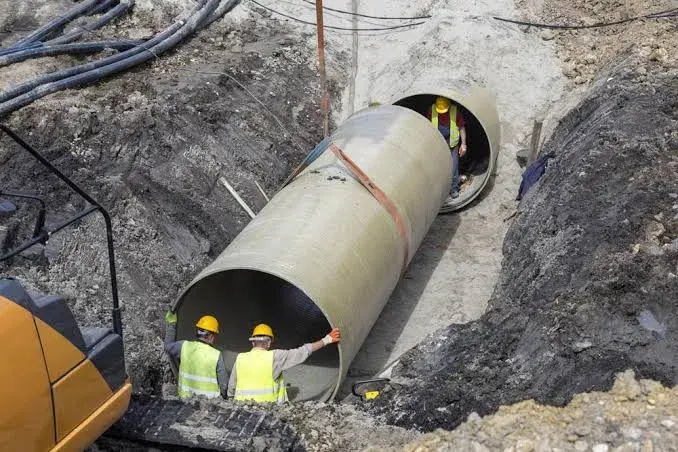
Understanding confined space rules for excavation crews can help prevent injuries, avoid OSHA citations, and reduce costly project delays. It also protects your business from claims that can affect your insurance costs and your ability to win future bids.
What OSHA Requires for Confined Space Work
If an excavation or underground structure meets OSHA's definition of a permit-required confined space, employers must identify the hazards, evaluate the work area, and follow OSHA's confined space entry requirements before allowing workers to enter.
These requirements typically include:
Identifying atmospheric hazards
Testing air quality before entry
Providing proper ventilation when needed
Having a trained attendant outside the space
Creating an emergency rescue plan
Using appropriate personal protective equipment (PPE)
Following a written confined space entry program
Not every trench is considered a confined space, but many utility vaults, manholes, lift stations, tanks, and underground structures are.
OSHA's confined space standards are available through the Occupational Safety and Health Administration: https://www.osha.gov/confined-spaces.
What Is a Confined Space?
OSHA defines a confined space as an area that:
Is large enough for a worker to enter
Has limited or restricted means of entry or exit
Is not designed for continuous employee occupancy
Examples excavation crews encounter include:
Utility vaults
Sewer manholes
Storm drain structures
Pump stations
Septic tanks
Underground storage tanks
Large culverts
Water meter vaults
Many excavation contractors enter these spaces while installing utilities, replacing pipe, repairing infrastructure, or performing inspections.
When Does a Confined Space Become Permit Required?
A confined space becomes a permit-required confined space (PRCS) if it contains one or more serious hazards.
These hazards include:
Hazardous atmosphere
Potential engulfment
Internal shapes that could trap workers
Mechanical or electrical hazards
Other recognized serious safety hazards
For excavation crews, atmospheric hazards are often the biggest concern.
Dangerous gases may include:
Oxygen deficiency
Methane
Hydrogen sulfide
Carbon monoxide
Fuel vapors
These hazards cannot always be seen or smelled, making atmospheric testing critical before entry.
Excavations vs. Confined Spaces
Many contractors assume every trench is a confined space. That is not true.
OSHA regulates excavations primarily under its excavation standards, while confined spaces fall under separate regulations.
An excavation alone is generally not classified as a confined space. However, workers may enter confined spaces that exist inside or adjacent to excavation projects, including:
Sewer systems
Utility vaults
Existing pipelines
Underground tanks
Pump stations
Manholes
That means contractors may need to comply with both excavation standards and confined space requirements on the same project.
Common Hazards During Confined Space Entry
Excavation crews often focus on cave-ins, but confined spaces introduce additional hazards that require planning.
Common dangers include:
Hazardous Atmospheres
Oxygen levels may be too low for safe breathing.
Hazardous gases may accumulate because confined spaces often have poor ventilation.
Engulfment
Workers can become trapped by:
Water
Sand
Gravel
Flowing sewage
Sludge
Soil movement
Mechanical Hazards
Equipment inside confined spaces may include:
Pumps
Mixers
Valves
Electrical systems
Rotating equipment
Lockout procedures may be necessary before entry.
Limited Escape Routes
Confined spaces often have only one entrance.
If something goes wrong, workers may not be able to exit quickly without assistance.
OSHA Requirements Before Entry
Before workers enter a permit-required confined space, employers should complete several important steps.
Evaluate the Space
Inspect the work area to determine:
Physical hazards
Atmospheric hazards
Engulfment risks
Energy sources
Every job site is different.
Test the Atmosphere
Air testing should occur before entry and continue as needed during work.
Testing generally includes:
Oxygen levels
Flammable gases
Toxic gases
Gas monitors should be properly calibrated and used according to manufacturer instructions.
Ventilate the Space
Mechanical ventilation may reduce dangerous gas concentrations.
Never assume ventilation alone makes a space safe without additional testing.
Issue an Entry Permit
Permit-required confined spaces require written documentation showing:
Hazards identified
Test results
Workers entering
Authorized supervisor
Rescue procedures
Entry time
Assign Required Personnel
OSHA generally requires:
Authorized entrants
Entry supervisor
Attendant outside the confined space
Each role has specific responsibilities.
Prepare for Rescue
One of the most overlooked requirements is emergency rescue planning.
Employers should know:
Who performs rescue
How rescue equipment will be used
Response times
Communication methods
Workers should never rely solely on calling 911 if immediate rescue is necessary.
Training Requirements
Employees involved in confined space work should receive training before performing assigned duties.
Training generally covers:
Hazard recognition
Gas monitor use
PPE
Emergency procedures
Rescue plans
Permit procedures
Communication
Refresher training may be necessary when job duties change or procedures are updated.
Equipment That Improves Safety
Many excavation companies invest in specialized equipment to improve confined space safety.
Common equipment includes:
Multi-gas detectors
Tripods
Winches
Retrieval systems
Ventilation blowers
Air monitors
Harnesses
Respirators when appropriate
Communication systems
Keeping equipment inspected and maintained is just as important as owning it.
Documentation Matters
If OSHA visits your project, documentation is often one of the first things inspectors review.
Keep records of:
Training
Entry permits
Equipment inspections
Gas monitor calibration
Rescue plans
Hazard assessments
Good documentation also helps demonstrate your company's commitment to safety when bidding work for municipalities, utility companies, and general contractors.

How Confined Space Safety Affects Insurance
Strong safety programs do more than keep workers safe. They may also reduce losses that affect your insurance history.
Several types of insurance can help protect excavation contractors.
General liability insurance helps protect your business if your work causes property damage or bodily injury to others. It may also help with legal defense costs, depending on the policy.
Workers' Compensation Insurance
Workers' compensation insurance provides benefits to employees who suffer work-related injuries or illnesses. It typically covers medical expenses and partial lost wages as required by state law.
Confined space incidents often involve serious injuries, making this coverage essential for excavation businesses with employees.
Inland marine insurance, sometimes called an equipment floater, helps protect mobile tools and equipment while they are transported between job sites or used away from your main business location.
Gas monitors, ventilation equipment, and retrieval systems may qualify depending on your policy.
Commercial Auto Insurance
Commercial auto insurance helps cover company-owned trucks and vehicles used for business operations. Excavation contractors rely on these vehicles to transport workers, tools, and heavy equipment between projects.
Pollution Liability Insurance
Pollution liability insurance may help cover certain environmental cleanup costs and claims involving accidental releases of pollutants, depending on the policy.
This coverage can be especially valuable for contractors working around fuel systems, sewer lines, contaminated soil, or underground storage tanks.
Every excavation company has different risks. A licensed insurance agent can review your operations and recommend coverage that fits your business.
Best Practices for Excavation Contractors
Successful contractors build confined space safety into every project.
Good habits include:
Review plans before digging.
Call 811 before excavation begins to locate buried utilities.
Inspect work areas daily.
Test the atmosphere before every confined space entry.
Maintain gas monitors and rescue equipment.
Keep written permits organized.
Train both new and experienced employees.
Coordinate with GCs and subcontractors.
Verify that certificates of insurance (COIs), documents showing proof of insurance coverage, meet project requirements.
Conduct regular safety meetings.
Following these practices can reduce downtime, improve jobsite safety, and strengthen your company's reputation.
Before every project, remember to contact your state's 811 notification center to request utility locates before digging: https://call811.com.
Why Compliance Protects Your Business
Confined space incidents can affect far more than one project.
A serious accident may lead to:
OSHA investigations
Medical claims
Lost productivity
Project delays
Increased insurance costs
Damaged customer relationships
Difficulty qualifying for future contracts
Investing in safety training and proper procedures often costs far less than dealing with the consequences of a preventable incident.
Frequently Asked Questions
Is every excavation considered a confined space?
No. Most excavations are regulated under OSHA's excavation standards. However, underground structures such as manholes, vaults, tanks, and pump stations may qualify as confined spaces.
Does OSHA require air testing before entering a confined space?
Yes. If workers enter a permit-required confined space, atmospheric testing is typically required before entry and, when appropriate, during the work.
Does every confined space require a permit?
No. Only permit-required confined spaces require a formal entry permit. Employers should evaluate each space before work begins.
What insurance should excavation contractors carry?
Most excavation contractors carry general liability insurance, workers' compensation insurance, commercial auto insurance, inland marine insurance for mobile equipment, and often pollution liability insurance depending on their operations. Coverage varies by business, state, and policy terms.
What happens if OSHA finds confined space violations?
Violations may result in citations, penalties, project delays, and increased scrutiny. More importantly, failing to follow confined space procedures can put workers at serious risk.
Protect Your Crew and Your Business
Confined space work demands planning, training, and the right equipment. Meeting OSHA requirements helps protect your employees while reducing the risk of costly interruptions, claims, and regulatory issues.
At Excavating Insurance Partners, we work with excavation contractors, site-work companies, utility installers, demolition contractors, drilling companies, and heavy equipment businesses across the United States. If you want help reviewing your current insurance program or need coverage tailored to your operation, contact Excavating Insurance Partners today for a free, no-obligation quote from a licensed insurance professional.


Comments