
Average Excavation Cost Per Hour: What Contractors Charge for Machine and Operator
If you're wondering about the average excavation cost per hour, the honest answer is that rates vary widely based on equipment size, operator experience, location, project complexity, fuel costs, and market conditions. Contractors don't simply charge for a machine. They're pricing equipment ownership, labor, transportation, maintenance, insurance, and the risk that comes with operating on active jobsites.
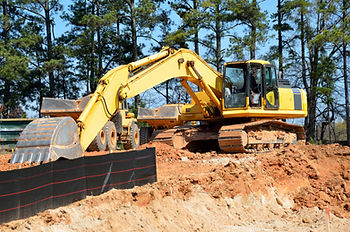
Whether you're an excavation contractor building estimates, a new owner-operator pricing your services, or a property owner hiring excavation work, understanding what goes into hourly rates can help you make better decisions and avoid underpricing or overpaying.
What Is the Average Excavation Cost Per Hour?
The average excavation cost per hour depends on the machine being used, the operator included, local market conditions, and the type of work being performed.
As a general rule, smaller machines such as compact excavators typically command lower hourly rates than larger excavators, dozers, or specialized equipment. Rates can vary significantly by region, project size, site conditions, fuel prices, demand, and contractor overhead. Successful contractors calculate hourly rates based on their actual operating costs rather than copying competitors' pricing.
Why Excavation Hourly Rates Vary So Much
Many people assume an excavator is simply an excavator. In reality, two contractors operating similar machines may have dramatically different costs.
Factors commonly affecting excavation cost per hour include:
Machine size and class
Equipment financing expenses
Fuel consumption
Operator skill level
Travel and mobilization costs
Maintenance and repairs
Local labor costs
Licensing requirements
Insurance expenses
Jobsite risk
Market competition
Project complexity
A contractor clearing a residential lot may price work differently than a contractor excavating around utilities for a commercial site development project.
Understanding What You're Actually Paying For
When a contractor provides an hourly rate, the machine itself is only part of the equation.
Equipment Ownership Costs
Equipment ownership includes expenses that continue whether the machine works or sits idle.
Examples include:
Equipment payments
Depreciation
Registration fees
Property taxes where applicable
Storage costs
Shop expenses
These costs must be spread across the productive hours the machine operates throughout the year.
Operator Labor
Experienced operators add tremendous value.
A skilled operator may complete a job faster, avoid utility strikes, minimize rework, and reduce fuel consumption. That's why companies often invest heavily in retaining quality operators.
Fuel and Fluids
Fuel costs can fluctuate significantly throughout the year.
Excavators, dozers, loaders, and specialized drilling equipment all consume fuel differently depending on machine size and workload.
Additional operating costs include:
Hydraulic oil
Engine oil
DEF (Diesel Exhaust Fluid)
Filters
Grease
Wear items
Maintenance and Repairs
Every machine requires ongoing maintenance.
Contractors must budget for:
Undercarriage wear
Tracks and tires
Hydraulic repairs
Electrical systems
Engine maintenance
Scheduled service intervals
Ignoring these costs is one of the most common mistakes new excavation business owners make.
Hourly Rate Ranges by Equipment Type
The following examples represent broad industry ranges that vary by market, machine size, operator experience, project conditions, and local demand.
Compact Excavators
Mini excavators are commonly used for:
Drainage work
Utility repairs
Residential excavation
Landscaping projects
Tight-access jobs
These machines generally command lower hourly rates because of lower ownership and operating costs.
Mid-Size Excavators
Mid-size excavators are often used for:
Site preparation
Commercial development
Utility installation
Septic system projects
Stormwater work
These machines typically represent the backbone of many excavation fleets.
Large Excavators
Larger excavators are frequently used for:
Mass grading
Major utility projects
Road construction
Demolition support
Large-scale commercial development
Their hourly rates are generally higher due to increased ownership costs, fuel consumption, and transportation requirements.
Specialized Equipment
Equipment such as:
Hydro excavation trucks
Horizontal directional drilling rigs
Rock saws
Mulchers
Crusher attachments
often commands premium rates because of specialized capabilities and limited local competition.
For contractors evaluating specialized utility work, our Vacuum Excavation Cost: Hydro vs. Air vs. Mechanical Digging guide provides useful insight into how different excavation methods affect overall project pricing and productivity.
A Sample Hourly Rate Calculation
Every contractor should know their true hourly operating cost.
Here's a simplified example using sample numbers only for illustration. Actual costs vary by business, market, and equipment.
Sample Annual Costs
Equipment ownership: $40,000
Insurance: $8,000
Maintenance and repairs: $18,000
Fuel and fluids: $22,000
Operator labor and burden: $75,000
Administrative overhead: $12,000
Total annual operating costs: $175,000
Sample Productive Hours
If a machine works 1,500 productive hours annually:
$175,000 ÷ 1,500 hours = approximately $117 hourly cost before profit considerations.
Most contractors then add a reasonable business margin to account for growth, risk, and unexpected expenses.
The key lesson is that hourly pricing should be based on actual costs rather than what another contractor advertises online.
Factors That Can Increase Excavation Costs
Some jobs cost more even when using the same machine.
Examples include:
Utility Congestion
Working around existing gas, electric, water, sewer, or fiber lines slows production and increases risk.
Contractors should always follow 811 locate requirements before excavation begins.
For information on excavation damage prevention and safe digging practices, contractors should review resources from the Common Ground Alliance, which promotes nationwide utility protection initiatives.
Difficult Soil Conditions
Production may decrease when encountering:
Rock
Hard clay
Saturated soils
Frozen ground
Heavy roots
A project that appears simple on paper can become significantly more expensive when subsurface conditions change.
Remote Job Locations
Travel time, transportation permits, fuel, and mobilization costs often increase for remote projects.
Tight Access
Limited space can reduce productivity and require smaller equipment or specialized attachments.
Horizontal Directional Drilling and Specialized Rates
Contractors involved in utility installation frequently compare excavation pricing to directional boring costs.
Specialized services typically require different equipment, additional crew members, locator technology, and increased training.
If you're evaluating underground utility installation projects, our Horizontal Directional Drilling Cost: Price Ranges by Bore Length, Pipe Size, and Ground Conditions guide explains many of the variables that influence drilling project budgets.

What Most People Get Wrong
The biggest misconception is that contractor rates should be based on the machine's payment alone.
In reality, machine payments may represent only a portion of total ownership costs. Insurance, downtime, transportation, maintenance, operator wages, taxes, and overhead often exceed financing expenses over the life of the equipment.
Contractors who ignore these costs frequently discover they're busy but not profitable.
Insurance and Licensing Reality Check
Before offering excavation services, contractors should understand the insurance and licensing requirements common in their market.
General contractors, municipalities, project owners, and utility companies often require proof of insurance through Certificates of Insurance (COIs).
Coverage commonly requested includes:
General Liability Insurance
General liability insurance may help cover third-party bodily injury or property damage claims arising from covered operations.
Commercial Auto Insurance
Commercial auto insurance is typically required for dump trucks, service trucks, trailers, and other business vehicles.
Equipment Insurance
Inland marine insurance, often called equipment insurance, may help protect covered excavators, loaders, dozers, and attachments from certain physical damage losses.
Workers' Compensation Insurance
Workers' compensation requirements vary by state and business structure. Contractors with questions should review their state requirements and consult specialists such as Total Work Comp for workers' compensation guidance.
Umbrella Liability Insurance
Umbrella liability coverage may provide additional liability protection above underlying policy limits, depending on policy terms.
Contractors looking to learn more about protecting excavation businesses should review Excavating Insurance Partners' excavation contractor insurance resources before bidding larger commercial projects.
For workplace safety requirements, excavation contractors should also familiarize themselves with guidance from the Occupational Safety and Health Administration (OSHA) regarding trenching, excavation, and heavy equipment operations.
Building Better Excavation Estimates
Rather than focusing solely on hourly machine rates, successful contractors build complete project estimates that account for:
Mobilization
Labor
Fuel
Equipment wear
Spoil handling
Permit costs
Traffic control
Utility locating requirements
Site restoration
Weather delays
Profit objectives
Hourly pricing is important, but total job profitability depends on understanding all components of project cost.
Frequently Asked Questions
How do excavation contractors calculate hourly rates?
Most contractors calculate hourly rates by combining equipment ownership costs, labor, maintenance, fuel, insurance, overhead, and desired profit margin, then dividing by productive operating hours.
Does operator experience affect excavation pricing?
Yes. Experienced operators often complete projects more efficiently, which can influence both hourly rates and total project costs.
Are fuel costs included in excavation hourly rates?
Often they are, but some contractors may structure pricing differently. Always clarify what is included in a quote.
Why do excavation rates vary between cities?
Labor costs, regulations, insurance expenses, demand, transportation costs, and competition all influence local pricing.
Should I choose the cheapest excavation contractor?
Not necessarily. Experience, equipment condition, safety practices, insurance coverage, and project management ability often provide more value than selecting the lowest rate.
Final Thoughts
The average excavation cost per hour is influenced by far more than the machine sitting on the jobsite. Equipment ownership, operator expertise, maintenance, fuel, insurance, project complexity, and local market conditions all play important roles in determining what contractors charge.
Whether you're building estimates for your excavation company or hiring a contractor for a project, understanding these cost drivers will help you evaluate pricing more accurately and make better decisions.
If you operate excavation equipment, directional drilling rigs, hydrovac trucks, or site-work machinery, Excavating Insurance Partners can help you review your risks and request a free, no-obligation insurance quote tailored to excavation and underground utility contractors.


Comments