
Umbrella Insurance for Demolition Contractors: Large-Loss Protection for Collapse and Third-Party Damage
Demolition work comes with bigger risks than many other trades. You're tearing down structures, operating heavy equipment near neighboring properties, managing truck traffic, and working around utilities, roads, and occupied buildings. The question many demolition contractors eventually ask is simple: What happens if a claim exceeds my standard liability limits?
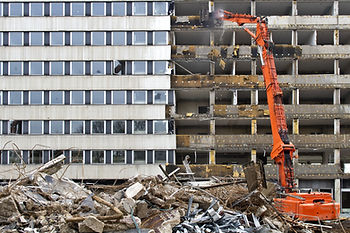
That's where umbrella insurance for demolition contractors enters the conversation. An umbrella policy is designed to provide additional liability protection above certain underlying insurance policies when a covered loss exceeds those primary limits. For contractors working on high-exposure projects, umbrella insurance can serve as an important layer of financial protection.
Whether you're handling residential demolition, selective interior demolition, commercial tear-downs, or large site-clearing projects, understanding how umbrella insurance works can help you make more informed decisions about your overall risk management program.
What Is Umbrella Insurance for Demolition Contractors?
Umbrella insurance for demolition contractors is a form of excess liability coverage that sits above certain underlying policies, such as general liability and commercial auto insurance. When a covered claim exceeds the limits of the underlying policy, an umbrella policy may provide additional protection, subject to its terms, conditions, exclusions, and limits.
In simple terms, umbrella insurance is designed for the large claims that can occur when severe property damage, bodily injury, or other major liability events happen.
Many project owners, general contractors, municipalities, utilities, and industrial facilities require contractors to carry umbrella liability coverage before being awarded certain jobs.
The Direct Answer: Why Demolition Contractors Buy Umbrella Insurance
Demolition contractors buy umbrella insurance because a serious accident can sometimes create damages that exceed the limits of standard liability policies. Umbrella coverage may provide an extra layer of protection above qualifying underlying policies when covered claims become exceptionally large.
For demolition businesses working around occupied properties, public roads, utility infrastructure, or high-value commercial assets, umbrella insurance is often viewed as a key part of an overall insurance program.
Why Demolition Contractors Face Higher Liability Risks
Every contractor faces risk, but demolition operations create unique exposures.
A typical demolition project may involve:
Structural collapse activities
Heavy equipment operation
Debris removal
Haul truck traffic
Utility coordination
Dust and vibration concerns
Work near neighboring structures
Traffic control around job sites
Even when proper safety procedures are followed and 811 locates have been completed, unexpected incidents can happen.
A falling wall, vehicle accident, or major property damage claim may create losses significantly larger than what many contractors initially expect.
That doesn't mean claims will exceed policy limits, but it explains why many project owners require additional liability protection before allowing demolition work to begin.
What Policies Does Umbrella Insurance Usually Sit Over?
Umbrella insurance generally applies over specified underlying policies.
The most common include:
Commercial general liability insurance
Commercial auto insurance
Employer's liability coverage within workers' compensation policies
The exact policies covered depend on the umbrella policy and underwriting requirements.
Because demolition companies often operate dump trucks, roll-off trucks, and equipment trailers, umbrella coverage frequently works alongside vehicle-related liability protection.
If you're evaluating the transportation side of your risk program, a related resource is Commercial Auto Insurance for Demolition Contractors: Roll-Offs, Dump Trucks, and Haul Trailers, which explains how auto liability and umbrella coverage often work together.
Common Scenarios Where Umbrella Coverage May Apply
While every claim depends on facts, coverage terms, and policy language, there are several scenarios where umbrella coverage is commonly discussed.
Major Third-Party Property Damage
Demolition projects are often located near neighboring buildings, parking lots, utilities, roadways, and occupied structures.
A significant property damage claim involving multiple affected parties can create liability exposures that may exceed primary policy limits.
Multi-Vehicle Auto Accidents
Commercial vehicles are an essential part of demolition operations.
Dump trucks, roll-off trucks, and equipment haulers spend considerable time on public roads transporting debris and machinery. Large vehicle accidents involving multiple parties can generate substantial liability claims.
Serious Bodily Injury Claims
Construction sites contain inherent hazards. If a third party experiences severe injuries associated with a covered incident, claim costs may become substantial.
High-Profile Commercial Projects
Many large commercial and municipal projects require higher liability limits than a standard policy alone provides.
Umbrella insurance is often part of meeting those contractual obligations.
Who Often Requires Umbrella Insurance?
Umbrella coverage is commonly required by:
General contractors
Municipalities
Utility companies
Industrial facility owners
Government agencies
Property developers
Public works projects
Large commercial project owners
In many cases, insurance requirements are established before bidding begins.
Contractors should carefully review project specifications and insurance requirements before submitting proposals.
For additional construction safety resources, contractors can review guidance available from OSHA.
What Umbrella Insurance Typically Does Not Cover
One of the biggest misconceptions about umbrella insurance is that it covers every possible claim.
It doesn't.
Coverage depends on the underlying policies, policy wording, endorsements, exclusions, and claim circumstances.
Potential limitations may involve:
Professional services exposures
Certain pollution-related claims
Intentional acts
Contractual liabilities not covered by the underlying policy
Uninsured business activities
Claims specifically excluded by policy language
Because exclusions vary, contractors should review details with a licensed insurance professional.

What Most People Get Wrong
Many demolition contractors think umbrella insurance replaces strong primary coverage.
In reality, umbrella insurance is designed to sit on top of other qualifying policies, not take their place.
A business with coverage gaps in its general liability, commercial auto, or other primary policies may still have exposure even if it carries an umbrella policy. That's why the entire insurance program should be reviewed together rather than focusing on a single policy in isolation.
Collapse Exposure and Liability Concerns
The word "collapse" gets a lot of attention in the demolition industry, and for good reason.
Structural failures can affect:
Adjacent buildings
Vehicles
Utility infrastructure
Public sidewalks
Neighboring businesses
Pedestrians
Most demolition contractors invest significant time into planning, engineering, safety procedures, and site controls specifically to reduce these risks.
However, because collapse-related incidents have the potential to involve substantial damages, project owners frequently pay close attention to liability limits when selecting contractors.
How Umbrella Insurance Fits Into a Demolition Insurance Program
Umbrella insurance is usually just one part of a comprehensive risk management strategy.
Many demolition contractors review:
Commercial auto insurance
Contractor's equipment insurance
Inland marine insurance
Pollution liability insurance
Commercial property insurance
Umbrella liability insurance
Each policy addresses different exposures.
A contractor hauling debris, managing spoil piles, coordinating utility disconnects, and moving equipment between jobsites typically faces multiple categories of risk at the same time.
Contract Requirements and Certificates of Insurance
Many larger projects require proof of umbrella coverage before work begins.
A project owner may request:
Evidence of liability limits
Certificates of Insurance (COIs)
Additional insured endorsements
Completed operations coverage documentation
Contractors should review requirements early in the bidding process to avoid project delays.
Understanding completed operations exposure is particularly important because claims don't always occur while work is actively underway. For a deeper look at this topic, contractors should also read Completed Operations and Product Liability for Demolition Contractors: What the Terms Mean in Practice, which explains how liability issues may arise after demolition work has been completed.
What Factors Affect Umbrella Insurance Pricing?
Insurance companies generally consider several factors when evaluating umbrella coverage.
Common factors include:
Business Operations
Residential, commercial, industrial, and specialty demolition operations may present different risk characteristics.
Revenue and Payroll
Business size often affects underwriting evaluation.
Claims History
Past losses are commonly reviewed during the underwriting process.
Vehicle Fleet Exposure
Businesses operating multiple dump trucks, roll-offs, and equipment haulers may present different liability exposures than contractors with limited vehicle use.
Project Size and Scope
Large commercial projects often create different liability considerations than smaller residential work.
Underlying Insurance Structure
The liability limits carried on underlying policies can influence umbrella underwriting.
Because every contractor's operation is different, umbrella insurance should be evaluated based on the specific characteristics of the business.
How to Prepare for an Umbrella Insurance Quote
When requesting a quote, contractors should be prepared to provide:
Business description
Annual revenue information
Details about demolition activities
Vehicle schedules
Claims history
Current insurance information
Geographic operating areas
Estimated project sizes
The more complete the information provided, the easier it is for underwriters to evaluate the risk.
For general risk management and construction safety guidance, contractors may also review resources available through the National Institute for Occupational Safety and Health (NIOSH).
Frequently Asked Questions
Does umbrella insurance cover demolition contractors?
Yes, umbrella insurance is commonly purchased by demolition contractors as an additional layer of liability protection above qualifying underlying policies.
Is umbrella insurance required for demolition work?
Not always. However, many project owners, municipalities, and general contractors require umbrella coverage on larger projects.
Does umbrella insurance replace general liability insurance?
No. Umbrella insurance is designed to provide excess liability protection above certain underlying policies, not replace them.
Does umbrella coverage apply to commercial auto claims?
In many cases, umbrella insurance may sit above qualifying commercial auto liability coverage, subject to policy terms and limits.
How do contractors know if they need umbrella insurance?
Contract requirements, project size, vehicle operations, and overall risk exposure are common factors to discuss with a licensed insurance professional.
Final Thoughts
Demolition contractors regularly work in environments where a single accident can affect neighboring properties, vehicles, businesses, and members of the public. While strong safety practices remain the first line of defense, many contractors choose umbrella insurance to add another layer of financial protection above their primary liability coverage.
If you're reviewing insurance requirements for an upcoming project or simply want to understand how umbrella coverage fits into your overall risk management plan, Excavating Insurance Partners can provide a free quote and coverage review. The goal isn't to sell a policy. It's to help you understand your exposures, evaluate your options, and make informed decisions for your business.


Comments