
Septic Installer Workers' Comp: What's Required and Why
- Jun 25
- 6 min read
If you install septic systems, your crew works around trenches, heavy equipment,
underground utilities, and constantly changing job site conditions. One injury can disrupt a project, create unexpected expenses, and put your business at risk.
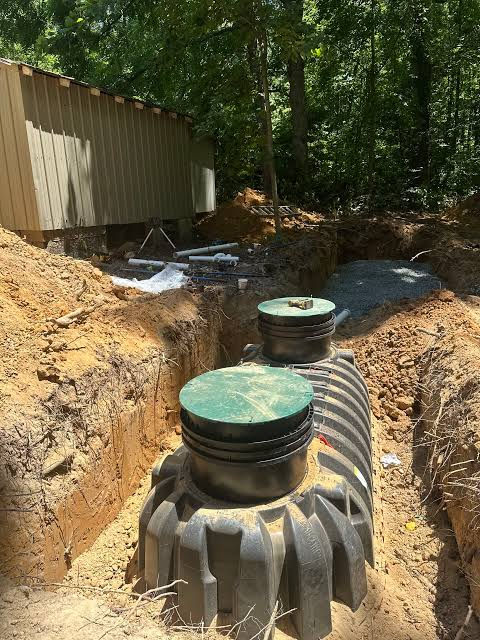
That is why septic installer workers' comp is one of the most important insurance requirements for contractors in this trade. Whether you're a small owner-operator with a few employees or a growing excavation company handling multiple installs each month, understanding workers' compensation can help protect both your team and your business.
What Is Septic Installer Workers' Comp?
Workers' compensation insurance is a type of coverage that may help pay for medical expenses, lost wages, and certain rehabilitation costs when an employee suffers a work-related injury or illness.
For septic installers, workers' compensation is especially important because the job involves:
Excavation work
Trenching operations
Operating heavy equipment
Lifting and moving materials
Working around buried utilities
Exposure to soil contaminants and wastewater-related hazards
If an employee gets injured while performing job duties, workers' comp may provide benefits according to state laws and policy terms.
What's Required for Septic Installers?
In most states, employers with employees are required to carry workers' compensation insurance. The exact requirements vary by state, which means there is no single nationwide rule that applies to every septic contractor.
Generally, workers' compensation is required when:
You hire full-time employees
You hire part-time employees
State law requires coverage based on payroll size
You work under contracts that require proof of coverage
General contractors request a certificate of insurance (COI)
Some states have special rules for:
Sole proprietors
Family-owned businesses
Corporate officers
LLC members
Because requirements differ, contractors should review state regulations and speak with a licensed insurance professional to determine their obligations.
What's Required and Why?
For most septic installation companies with employees, workers' compensation insurance is required by state law. It helps provide benefits for employees who suffer work-related injuries or illnesses and may help protect employers from certain workplace injury-related costs and legal exposures.
Beyond legal requirements, many project owners and general contractors require proof of workers' compensation coverage before allowing contractors onto a job site.
Why Septic Installation Is Considered a Higher-Risk Trade
Many contractors think of septic work as a routine extension of excavation. In reality, insurers often view septic installation as a specialized trade with unique hazards.
A typical septic installation project may involve:
Deep excavations
Trench collapses
Utility strikes
Equipment rollovers
Confined work areas
Soil instability
Exposure to wastewater systems
Even experienced crews face risks every day. One wrong step entering a trench or one unseen buried utility can quickly turn into a serious incident.
Contractors are already familiar with safety practices like 811 utility locates before digging. Resources such as the 811 Safe Digging Program help reduce underground utility strike risks, but accidents can still happen despite careful planning.
Common Injuries Workers' Comp May Cover
Every claim is unique, and coverage depends on policy terms and state regulations. However, workers' compensation commonly responds to injuries such as:
Back and Lifting Injuries
Septic installers frequently move pipe, tanks, gravel, and tools. Repetitive lifting and awkward positions can lead to strains and sprains.
Trench and Excavation Injuries
Excavation work presents hazards that can result in serious injuries if proper safety procedures are not followed.
Equipment-Related Accidents
Operators may suffer injuries involving:
Excavators
Skid steers
Backhoes
Compact track loaders
Dump trucks
Slip, Trip, and Fall Injuries
Uneven ground, muddy conditions, and changing site conditions create constant fall hazards.
Exposure-Related Illnesses
Workers may encounter contaminated soil, wastewater, or other environmental hazards depending on the project.
Why General Contractors Often Require Workers' Comp
Many septic installers work as subcontractors for larger site-work or construction projects.
General contractors often require:
Workers' compensation insurance
General liability insurance
Commercial auto insurance
Additional insured endorsements where applicable
Current certificates of insurance
Without proper coverage, contractors may struggle to qualify for certain projects or bidding opportunities.
In competitive markets, having the right insurance program can help demonstrate professionalism and financial responsibility.
How Workers' Comp Premiums Are Typically Determined
One of the most common questions contractors ask is how workers' compensation costs are calculated.
Premiums vary widely based on factors such as:
State regulations
Payroll size
Employee job duties
Claims history
Experience modification factor (where applicable)
Business operations
Safety programs
A company with a strong safety record and well-documented procedures may present a different risk profile than a contractor with multiple recent claims.
Because every operation is unique, the best way to determine pricing is through a review with a licensed insurance agent familiar with excavation and septic work.
Safety Practices That May Help Reduce Claims
Insurance is important, but preventing injuries is even more important.
Successful septic contractors often focus on:
Trench Safety
Following trench protection requirements and proper excavation procedures can help reduce risks associated with cave-ins and collapses.
Utility Locates
Calling 811 before excavation remains one of the most important safety steps on any project.
Equipment Training
Operators should be trained on the specific equipment they use, including manufacturer recommendations and job site procedures.
Daily Job Site Inspections
Regular inspections may help identify hazards before work begins.
Documentation
Keeping records of:
Safety meetings
Employee training
Incident reports
Equipment maintenance
can support a stronger safety culture throughout the company.
Contractors can also review excavation safety guidance available through OSHA Excavation Safety Resources for additional information on trenching and excavation best practices.
Other Insurance Coverages Septic Installers Should Consider
Workers' compensation is only one part of a complete insurance program.
General liability insurance may help cover third-party bodily injury or property damage claims arising from your operations.
Examples may include:
Damage to a customer's property
Accidental injury to a third party
Certain legal defense costs depending on the claim
An equipment floater, also called inland marine insurance, helps cover mobile equipment and tools while they move between job sites.
For septic contractors, this may include:
Excavators
Skid steers
Laser equipment
Compaction tools
Pipe inspection equipment
Commercial auto insurance covers vehicles used for business purposes.
Examples include:
Dump trucks
Service trucks
Pickup trucks
Trailer operations
Personal auto policies typically are not designed for commercial contracting operations.
Pollution Liability Insurance
Pollution liability insurance may help address certain claims involving environmental contamination.
Because septic contractors work directly with wastewater systems and underground environments, this coverage is often worth discussing with an experienced agent.
Umbrella Insurance
Commercial umbrella insurance provides an additional layer of liability protection above underlying policy limits when covered claims exceed those limits.

What Happens If You Don't Carry Workers' Comp?
The consequences vary by state, but failing to carry required workers' compensation insurance may result in:
Regulatory penalties
Project delays
Difficulty obtaining contracts
Increased out-of-pocket costs after an injury
Potential legal issues
In addition, some project owners and general contractors may refuse to work with uninsured contractors.
For many septic installation businesses, maintaining continuous coverage is simply part of operating professionally and meeting contractual obligations.
Choosing the Right Workers' Comp Policy
Not all excavation and septic operations look the same.
A policy designed for a company performing occasional residential installs may differ from one written for a contractor handling:
Large commercial systems
Municipal projects
Site development work
Utility construction
Multi-crew excavation operations
When reviewing coverage, contractors should discuss:
Employee classifications
Payroll estimates
Subcontractor usage
Safety procedures
Claims history
Project types
A licensed insurance agent who understands excavation and septic installation risks can help identify coverage options that align with your operations.
Final Thoughts
Septic installation combines excavation, utility awareness, heavy equipment operation, and demanding field conditions. Those risks make workers' compensation one of the most important insurance policies for contractors in this industry.
For most septic installers with employees, workers' comp is required by state law. More importantly, it helps create a financial safety net when workplace injuries occur and can help your business meet contractual and regulatory requirements.
Because coverage requirements vary by state and operation, contractors should review their specific situation with a licensed insurance professional experienced in excavation and septic contractor insurance.
Frequently Asked Questions
Is workers' compensation required for septic installers?
In many states, yes. Requirements depend on state law, business structure, and whether you have employees.
Does workers' comp cover subcontractors?
Not always. Treatment of subcontractors varies by state and policy. Contractors should discuss subcontractor arrangements with their insurance agent.
Can a sole proprietor be exempt from workers' comp?
Some states allow exemptions for sole proprietors or certain business owners, while others may require coverage in specific situations.
Does workers' compensation cover injuries from trench work?
It may cover eligible work-related injuries resulting from trenching and excavation activities, depending on the circumstances and policy terms.
What other insurance does a septic contractor need?
Many septic contractors carry workers' compensation, general liability, equipment floater insurance, commercial auto insurance, and pollution liability coverage as part of a broader risk management program.
Request a Free Quote
Excavating Insurance Partners specializes in insurance solutions for septic installers, excavation contractors, site-work companies, and other heavy construction trades.
If you're reviewing your workers' compensation coverage or building a complete insurance program, contact Excavating Insurance Partners today for a free quote tailored to your operation.


Comments