
Pipeline Reclamation and Restoration: The Work After the Weld
When most people think about pipeline construction, they picture excavators opening trenches, sidebooms lowering pipe, and welders joining sections together. What often gets overlooked is everything that happens afterward. That's where pipeline reclamation and restoration comes in.
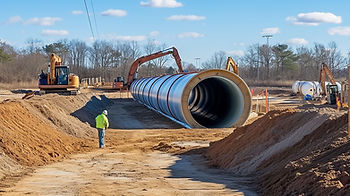
For many contractors, the work after the weld can be just as important as the construction itself. Landowners, utility companies, regulators, and project owners all expect the right-of-way to be stabilized, repaired, and returned as closely as possible to its intended condition. If you're evaluating this niche, here's a straight look at what pipeline restoration work actually involves and what contractors should know before pursuing it.
What Is Pipeline Reclamation and Restoration?
Pipeline reclamation and restoration is the process of repairing and stabilizing land after pipeline construction has been completed.
This work typically includes grading disturbed areas, replacing topsoil, controlling erosion, repairing access roads, restoring agricultural fields, re-establishing vegetation, and addressing drainage concerns along the pipeline corridor. The goal is to reduce long-term impacts and return the right-of-way to project requirements and landowner agreements.
Why Restoration Matters on Pipeline Projects
A pipeline may only occupy a relatively narrow corridor, but construction can affect large portions of a property during development.
Contractors often create:
Temporary access roads
Construction workspaces
Equipment staging areas
Spoil storage areas
Material laydown yards
Utility crossings
Once construction crews leave, the land still needs attention.
Pipeline owners often have contractual obligations to landowners and regulatory agencies. Restoration work helps meet those obligations while reducing future erosion, drainage, and maintenance issues.
Information about pipeline safety and infrastructure oversight can be found through the https://www.phmsa.dot.gov/.
What Work Happens After the Pipe Is Installed?
Many contractors outside the pipeline industry assume restoration is simply spreading grass seed.
The reality is usually much more involved.
Depending on the project, restoration may continue for weeks or months after pipe installation.
Final Grading
One of the first steps is restoring the corridor profile.
Crews often perform:
Rough grading
Fine grading
Slope repair
Drainage correction
Settlement repairs
The objective is to eliminate construction impacts that could create drainage or erosion problems later.
Proper grading sets the foundation for everything that follows.
Topsoil Replacement
In agricultural and environmentally sensitive areas, preserving topsoil is often a major requirement.
During construction, topsoil may be segregated from subsoil.
After pipeline installation, contractors return the topsoil to the surface.
This process can be critical for:
Farmland productivity
Vegetation recovery
Landowner satisfaction
Regulatory compliance
Poor topsoil management can create problems that remain visible for years.
Erosion Control Installation
Pipeline corridors frequently cross hillsides, drainage areas, streams, and other environmentally sensitive locations.
Restoration crews may install:
Water bars
Silt fencing
Erosion control blankets
Check dams
Diversion structures
Sediment controls
The U.S. Environmental Protection Agency provides guidance on construction stormwater management through the https://www.epa.gov/npdes/stormwater-discharges-construction-activities.
These controls help keep soil where it belongs until vegetation becomes established.
Seeding and Vegetation Establishment
One of the most visible parts of restoration is revegetation.
Depending on project requirements, contractors may perform:
Hydroseeding
Broadcast seeding
Native grass installation
Mulching
Straw application
Vegetation monitoring
Seed mixes often differ based on region, climate, soil conditions, and project specifications.
A pipeline crossing pastureland may require a different approach than a transmission corridor crossing wetlands or forested areas.
Restoration in Agricultural Areas
Agricultural restoration is often among the most scrutinized portions of pipeline work.
Farmers typically pay close attention to:
Soil productivity
Drainage patterns
Crop yields
Compaction concerns
Surface grading
Heavy equipment can compact soil layers during construction.
As a result, restoration contractors may perform:
Deep ripping
Subsoiling
Topsoil replacement
Drainage repairs
Success often depends on understanding local soil conditions rather than simply following a generic restoration plan.
The Importance of Drainage
If there is one lesson experienced pipeline contractors learn quickly, it's this:
Water always finds the mistake.
A right-of-way that appears acceptable immediately after construction can develop significant problems after the first heavy rain.
Drainage-related issues may include:
Washouts
Rutting
Sediment movement
Standing water
Slope failures
Experienced restoration contractors spend significant time evaluating water flow and surface conditions before considering a project complete.
Access Road Restoration
Temporary access is often necessary to construct a pipeline.
Once construction ends, contractors may need to:
Remove temporary roads
Regrade disturbed areas
Remove aggregate
Restore vegetation
Repair culverts
Address drainage impacts
In some cases, portions of roads remain for future maintenance access.
In other situations, the goal is to eliminate signs of temporary construction access as much as practical.

What Most People Get Wrong
Many people think restoration starts after construction ends.
In reality, successful pipeline reclamation often starts before excavation begins.
The best contractors think about soil segregation, drainage preservation, access planning, and erosion control during construction, not after. When these issues are ignored early, restoration becomes more difficult, more expensive, and less effective.
The smoothest restoration projects usually come from teams that view reclamation as part of construction rather than a separate phase.
Working Around Environmental Requirements
Pipeline restoration frequently involves environmental obligations.
Depending on the project, contractors may encounter requirements involving:
Wetland protection
Stream crossings
Protected habitats
Stormwater management
Vegetation monitoring
Erosion inspections
Requirements vary significantly by location and project scope.
Contractors must understand project-specific specifications rather than assuming every restoration project follows the same rules.
Equipment Used in Pipeline Restoration
Many of the machines used during restoration are familiar to excavation contractors.
Common equipment may include:
Dozers
Excavators
Skid steers
Compact track loaders
Motor graders
Agricultural tractors
Seed drills
Hydroseeders
Rollers
The exact fleet depends on terrain, soil conditions, corridor length, and restoration requirements.
Projects crossing steep terrain typically require different approaches than restoration work on level agricultural land.
Challenges Contractors Should Expect
Pipeline restoration can appear straightforward from a distance.
The reality is often more complicated.
Common challenges include:
Weather Delays
Rain can significantly affect grading and seeding operations.
Erosion-control efforts become more difficult during wet conditions.
Settlement
Backfilled trenches may settle over time.
Additional grading and repairs may be required before final acceptance.
Landowner Expectations
Every landowner has a different perspective regarding restoration success.
Communication becomes a key part of project management.
Environmental Compliance
Inspections, reporting requirements, and stabilization deadlines can create additional responsibilities.
Scheduling Conflicts
Restoration work often occurs while multiple contractors remain active on a project.
Coordination is critical.
How Contractors Win More Restoration Work
Companies that perform well in restoration generally focus on details.
Project owners often evaluate:
Quality of grading
Erosion-control performance
Safety record
Documentation
Environmental compliance
Schedule reliability
Relationships matter as well.
Many restoration opportunities originate through:
Pipeline contractors
Utility contractors
Energy developers
General contractors
Environmental firms
Strong performance on one project frequently creates additional opportunities later.
However, like all contracting niches, project volume, competition, and profitability vary by market and economic conditions. No level of future revenue can be guaranteed.
Insurance and Licensing Reality Check
Pipeline reclamation and restoration contractors face many of the same risk exposures found in excavation and utility work.
Licensing requirements vary by state, municipality, project owner, and work scope. Some jurisdictions may require contractor licensing, erosion-control certifications, environmental approvals, or other registrations depending on project activities.
Contractors should verify specific requirements with applicable state and local authorities.
From an insurance perspective, contractors commonly review coverage such as:
Workers' compensation where required
Contractor's equipment coverage
Umbrella liability insurance
Pollution-related coverage where applicable
Many pipeline companies and general contractors will also require certificates of insurance (COIs) before work begins.
Explore more in our blog: What Insurance Coverages Does an Excavating Contractor Need?
Why Pipeline Restoration Is More Than Cleanup
The word "restoration" sometimes gives the wrong impression.
This is not simply cleanup work.
Pipeline reclamation combines:
Earthmoving
Environmental management
Drainage design
Soil management
Vegetation establishment
Project coordination
Done correctly, restoration helps reduce long-term impacts and supports positive relationships between pipeline operators, landowners, regulators, and communities.
For contractors with strong grading, erosion-control, and land-management skills, the work after the weld can be a valuable service niche.
Frequently Asked Questions
What is pipeline reclamation and restoration?
Pipeline reclamation and restoration involves repairing and stabilizing land disturbed during pipeline construction through grading, seeding, erosion control, drainage work, and topsoil replacement.
What happens after a pipeline is installed?
After installation, contractors often perform grading, topsoil replacement, erosion-control installation, revegetation, drainage corrections, and site stabilization activities.
Is pipeline restoration the same as pipeline construction?
No. Construction focuses on installing the pipeline itself. Restoration focuses on repairing and stabilizing the land affected by construction activities.
Do pipeline restoration contractors need specialized equipment?
Many use standard excavation and grading equipment, although agricultural equipment, and erosion-control tools are often part of restoration operations.
Is pipeline restoration work regulated?
Requirements vary by project and location. Restoration may involve environmental, erosion-control, stormwater, and landowner-related obligations that contractors must follow.
Ready to Protect Your Pipeline Contracting Business?
Whether you're performing pipeline reclamation, utility corridor restoration, right-of-way maintenance, grading, erosion control, or large-scale excavation work, having the right insurance program can be an important part of protecting your business.
Excavating Insurance Partners specializes in excavation, utility construction, pipeline work, land clearing, demolition, drilling, septic, and heavy equipment contractors throughout the United States.
When you're ready to review your current coverage or compare options for your growing operation, request a free, no-obligation quote from Excavating Insurance Partners.


Comments