
Mobile Equipment Insurance: Protecting Machines Across Job Sites
Updated: Sep 2
A single excavator can travel between multiple job sites in a week. One day it's digging footings for a commercial project, and the next it's clearing land for a residential development. The problem is that every move creates new risks, from theft and vandalism to collisions, equipment breakdowns, and accidental damage.
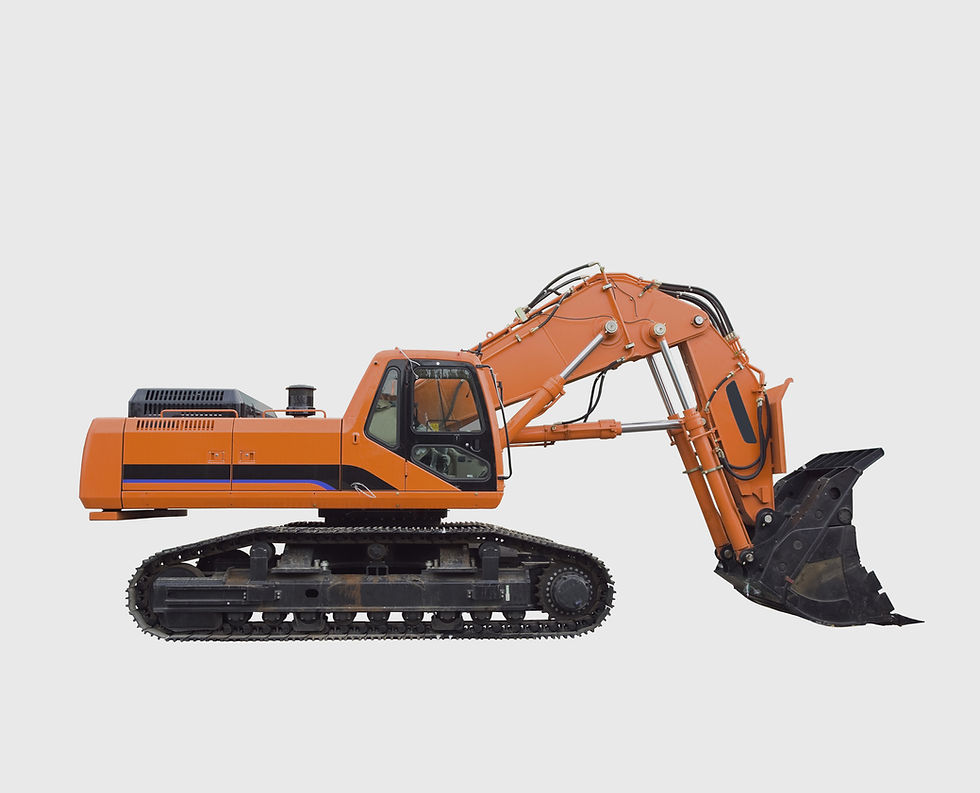
That's why mobile equipment insurance is an important part of risk management for excavation and site-work contractors. Whether you own one skid steer or a fleet of heavy machines, understanding how insurance protects equipment across job sites can help you avoid costly interruptions and keep projects moving forward.
What Is Mobile Equipment Insurance?
Mobile equipment insurance helps protect machinery and equipment that regularly moves between job sites. This can include:
Excavators
Bulldozers
Backhoes
Skid steers
Wheel loaders
Trenchers
Directional drilling equipment
Compact track loaders
Grading equipment
Specialized site-work machinery
Unlike equipment that remains at a fixed location, mobile equipment faces unique risks during transportation, storage, and active operation.
In many cases, protection for mobile equipment comes through an inland marine policy, which covers equipment while it moves between locations and while it is temporarily stored away from your primary business premises.
Does Mobile Equipment Insurance Cover Equipment Across Job Sites?
Yes. Mobile equipment insurance is specifically designed to help protect covered machinery while it travels between and operates at multiple job sites.
Coverage typically may apply when equipment is:
Being transported between projects
Stored at a temporary job site
Parked overnight on a project location
Working on excavation or site preparation operations
Temporarily located at a repair facility
Stored at a contractor's yard
Coverage details vary by policy, equipment type, exclusions, and endorsements, so contractors should review their insurance program carefully with a licensed agent.
Why Excavation Contractors Face Higher Equipment Risks
Heavy equipment rarely stays in one place.
Excavation contractors often move machines between active projects, staging yards, repair facilities, and storage locations. Every move creates additional exposure.
Common risks include:
Theft
Construction equipment theft remains a major concern nationwide. Machines left overnight at remote job sites can become targets for thieves, particularly when projects are located near highways or undeveloped areas.
Contractors can strengthen their equipment safety programs by reviewing construction equipment safety guidelines available from the Occupational Safety and Health Administration (OSHA).
Vandalism
Unsecured sites can attract trespassers. Damaged controls, broken windows, graffiti, and tampered components can delay work and increase repair costs.
Transportation Accidents
Moving heavy machinery requires trailers, trucks, and experienced operators. Accidents during loading, unloading, or transit can result in expensive damage.
Fire
Equipment fires may result from electrical failures, fuel leaks, hydraulic system issues, or external job-site hazards.
Weather Events
Severe storms, flooding, hail, and wind can damage expensive machinery. Contractors working in multiple states may encounter different weather risks throughout the year.
Operator Error
Even experienced operators occasionally make mistakes. Accidental rollovers, collisions, and impacts can cause significant equipment damage.
Equipment Most Commonly Covered
Mobile equipment insurance can often be tailored to match the machinery used by excavation and site-work contractors.
Commonly insured equipment includes:
Hydraulic excavators
Mini excavators
Backhoes
Bulldozers
Skid steers
Compact track loaders
Wheel loaders
Motor graders
Trenchers
Pipe-laying equipment
Rock saws
Directional drilling rigs
Compactors
Pumps and generators
Laser grading systems
Survey equipment
Many policies may also cover attached accessories, depending on how coverage is structured.
Understanding the Coverages Contractors Need
Protecting mobile equipment usually requires more than one insurance policy. A complete insurance program often combines several coverages that work together.
An inland marine policy is one of the most important forms of construction equipment insurance.
Despite the name, inland marine insurance has nothing to do with boats. It was developed to cover valuable property that moves from location to location.
For excavation contractors, inland marine coverage may help protect:
Owned equipment
Leased equipment
Borrowed equipment
Rented equipment
Tools and attachments
Because equipment frequently travels between projects, traditional commercial property insurance often isn't enough on its own.
General liability insurance helps protect contractors when their operations allegedly cause bodily injury or property damage to others.
Examples may include:
Damaging a neighboring structure during excavation
Accidentally striking landscaping or fencing
Third-party injury claims at a job site
Many project owners and general contractors require proof of general liability coverage before work begins.
Commercial Auto Insurance
Commercial auto insurance covers licensed vehicles used for business operations.
Examples include:
Dump trucks
Service trucks
Pickup trucks
CDL-operated vehicles
It is important to understand that commercial auto and mobile equipment insurance often address different exposures. A licensed agent can help determine where coverage responsibilities begin and end.
Workers' Compensation Insurance
Workers' compensation insurance provides benefits for employees who suffer work-related injuries or illnesses.
Excavation work involves significant hazards, including:
Trenching operations
Equipment operation
Heavy lifting
Utility work
Demolition activities
Most states require employers to carry workers' compensation coverage.
Pollution Liability Insurance
Excavation contractors face environmental exposures that many other trades do not.
Pollution liability insurance may help address claims involving:
Fuel spills
Hydraulic fluid leaks
Contaminated soil
Accidental environmental damage
This coverage can be particularly important when working near waterways, utilities, or environmentally sensitive locations.

Common Exclusions Contractors Should Understand
Insurance policies contain exclusions and limitations that define what may not be covered.
Examples can include:
Normal wear and tear
Mechanical deterioration
Intentional damage
Certain maintenance-related issues
Unreported equipment
Employee dishonesty in some situations
Damage exceeding policy limits
Every policy is different, so contractors should review exclusions carefully before relying on coverage.
How Equipment Values Affect Coverage
One of the most important parts of a mobile equipment insurance policy is selecting accurate equipment values.
Underinsuring equipment can create problems when claims occur.
Contractors should regularly review:
Current replacement costs
Equipment upgrades
Added attachments
New purchases
Equipment sold or retired
Keeping schedules current helps ensure the insurance program reflects the actual fleet.
Risk Management Tips for Mobile Equipment
Insurance is only one part of protecting heavy equipment.
Smart contractors also focus on loss prevention.
Secure Equipment After Hours
Consider:
GPS tracking devices
Immobilization systems
Fencing
Security cameras
Locked storage areas
Well-lit staging yards
Train Operators Consistently
Proper training can reduce accidents, equipment abuse, and costly downtime.
Maintain Inspection Records
Document:
Daily inspections
Maintenance schedules
Repairs
Safety checks
Good records often help support safer operations and smoother claims handling.
Use Utility Locate Services
Striking underground utilities can create major losses.
Before excavation begins, contractors should always follow local utility locating requirements. Information about safe digging practices is available through 811 Safe Digging Resources.
Factors That Influence Mobile Equipment Insurance Costs
Contractors often ask how much mobile equipment insurance costs.
The answer depends on many factors, including:
Equipment value
Type of machinery
Number of units insured
Geographic location
Claims history
Security measures
Deductible selection
Years in business
Types of projects performed
Premiums vary widely between contractors. A licensed insurance professional can provide estimates based on the specifics of your operation.
Why Certificates of Insurance Matter
Many excavation contractors work under general contractors, municipalities, developers, and utility companies.
These clients frequently request a certificate of insurance (COI) before allowing work to begin.
A COI helps demonstrate that required insurance policies are in place. Maintaining adequate equipment and liability coverage can help avoid project delays and contractual issues.
Building a Strong Insurance Program for Excavation Operations
The best insurance programs are built around how contractors actually work.
For excavation and site-work businesses, that often means combining:
Mobile equipment insurance
Inland marine coverage
General liability insurance
Commercial auto insurance
Workers' compensation insurance
Pollution liability insurance
Umbrella liability coverage when appropriate
Each policy addresses a different risk that contractors face every day.
As equipment fleets grow and projects become more complex, insurance needs often change as well.
Frequently Asked Questions
Does mobile equipment insurance cover rented equipment?
Many policies may provide coverage for rented equipment, but terms vary. Contractors should review policy language and rental agreements carefully.
Is mobile equipment covered under commercial property insurance?
Not always. Commercial property insurance is generally designed for property at fixed locations. Mobile equipment often requires inland marine or contractors equipment coverage.
Does insurance cover equipment theft from a job site?
Many policies may cover theft of scheduled equipment, subject to policy terms, conditions, deductibles, and exclusions.
What is the difference between inland marine and mobile equipment insurance?
Inland marine insurance is often the policy form used to insure mobile equipment that moves between locations. The terms are frequently used together in construction insurance discussions.
Do I need insurance for leased equipment?
Many lease agreements require contractors to insure leased equipment. Coverage requirements vary by contract and equipment owner.
Protect Your Equipment Wherever the Job Takes You
Your excavator, skid steer, or loader earns its value by moving from project to project. Unfortunately, every job site brings new risks that can threaten productivity and profitability.
A well-designed mobile equipment insurance program can help protect your machinery while supporting the day-to-day realities of excavation, site work, demolition, drilling, and land-clearing operations. To find coverage tailored to your business, contact Excavating Insurance Partners today and request a free quote from a licensed insurance professional.

Comments