
What Insurance Is Required to Bid on Excavation Jobs?
Winning excavation work isn't always about having the lowest number on the bid sheet. Many contractors discover that before a general contractor, municipality, developer, utility company, or project owner even reviews pricing, they want to see proof that the contractor carries the required insurance.
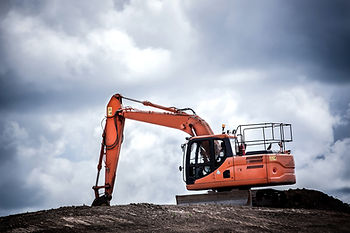
If you're wondering what insurance is required to bid on excavation jobs, the short answer is that most projects require general liability insurance, workers' compensation insurance where required by law, and commercial auto insurance.
Larger projects often require additional coverages, endorsements, higher limits, or even surety bonds before a contractor can begin work. Understanding these requirements before submitting bids can save time, prevent delays, and help position your company for larger projects.
The Short Answer
Most excavation projects require contractors to carry general liability insurance, workers' compensation insurance when applicable, and commercial auto insurance.
Depending on the project owner, contractors may also need umbrella liability insurance, equipment coverage, pollution-related coverage, additional insured endorsements, and proof of insurance through certificates of insurance (COIs).
Requirements vary by contract, project size, state regulations, and owner specifications. Always review bid documents carefully before submitting a proposal.
Why Insurance Matters Before the First Bucket Hits the Ground
Excavation work carries significant risks.
A routine project may involve:
Underground utilities
Heavy equipment
Traffic exposure
Trenching operations
Spoil piles
Existing structures
Multiple subcontractors
Project owners want to verify that contractors have financial protection in place before work begins. Insurance helps demonstrate that your company takes risk management seriously.
For many GCs and municipalities, insurance is not optional. It's simply part of doing business.
General Liability Insurance
General liability insurance is usually the first coverage required when bidding excavation work.
This policy helps protect against covered third-party bodily injury and property damage claims.
Examples may include:
Damage to neighboring property
Injuries to visitors
Damage caused during operations
Certain completed operations claims
Legal defense costs for covered claims
Most certificates of insurance requested during the bidding process include proof of general liability coverage.
Many project owners also require specific endorsements, such as:
Additional insured status
Primary and noncontributory wording
Waiver of subrogation
These requirements are common on commercial, municipal, and utility projects.
Workers' Compensation Insurance
Workers' compensation insurance provides benefits for job-related injuries, subject to applicable laws and policy terms.
Excavation and site-work operations often involve:
Trenching
Utility installation
Equipment operation
Manual labor
Traffic control
Demolition activities
Because of these exposures, project owners frequently require proof of workers' compensation insurance before a contract is awarded.
Requirements vary by state. Contractors should verify obligations with their state regulator and workers' compensation specialists such as Total Work Comp.
Commercial Auto Insurance
Excavation contractors regularly operate:
Dump trucks
Service trucks
Pickup trucks
Water trucks
Fuel trucks
Lowboy trailers
Commercial auto insurance is typically required whenever company-owned vehicles are used for business purposes.
Many excavation losses occur on roadways rather than jobsites, which is one reason project owners often require proof of commercial auto coverage.
Umbrella Liability Insurance
Larger projects often require higher liability limits than standard policies provide.
An umbrella liability policy may provide additional limits above certain underlying policies when covered claims exceed primary limits.
You will often encounter umbrella requirements on:
Municipal projects
Highway projects
Utility contracts
State infrastructure work
Large commercial developments
Contract documents usually specify required limits.
Equipment Insurance
Owning heavy equipment is not always a bidding requirement, but protecting it is important.
Equipment insurance is commonly provided through inland marine coverage.
It may apply to:
Excavators
Dozers
Skid steers
Wheel loaders
Trenchers
Compactors
Attachments
Contractors investing heavily in equipment should also review How Much Does It Cost to Insure a $500,000 Heavy Equipment Fleet?, since equipment values often become a major part of the overall insurance program as a company grows.
Pollution and Environmental Considerations
Excavation work occasionally creates environmental exposures.
Examples include:
Fuel releases
Hydraulic fluid spills
Disturbed contaminated soil
Sediment runoff concerns
Many contractors assume general liability automatically covers pollution-related claims.
In reality, pollution exposures are often handled differently and may require specialized coverage depending on the operation and contract requirements.
Always review contract language carefully before assuming pollution-related exposures are covered.
Additional Insured Requirements
This is one of the most misunderstood parts of bid specifications.
Many project owners require contractors to add them as an additional insured on certain liability policies. This endorsement may extend certain protections to the project owner under specific circumstances defined by the policy.
Additional insured requirements appear frequently in:
Commercial construction contracts
Utility agreements
Municipal contracts
Developer agreements
The requirement is so common that contractors should expect to encounter it regularly.
Certificates of Insurance (COIs)
A Certificate of Insurance (COI) is often the first document a GC requests before awarding work.
A COI summarizes:
Insurance carrier information
Policy types
Effective dates
Limits of insurance
Endorsement information
The certificate itself does not change coverage, but it serves as proof that insurance exists at the time it is issued.
Many projects require current certificates before mobilization.

What About Surety Bonds?
Many contractors confuse bonds with insurance.
They are not the same thing.
A surety bond is a three-party guarantee involving:
The contractor
The project owner
The surety company
Certain public projects may require:
Bid bonds
Performance bonds
Payment bonds
Insurance helps manage risk. Bonds help guarantee specific contractual obligations.
Bond approval is never automatic and depends on financial and underwriting review.
What Most People Get Wrong
Many excavation contractors assume insurance requirements are identical from one project to another.
They aren't.
A small residential grading project may require significantly less documentation than a municipal utility contract, railroad project, school development, or highway expansion.
One of the biggest mistakes contractors make is waiting until after winning a bid to review insurance requirements.
At that point, securing additional coverage or endorsements can create delays and unexpected expenses.
Reviewing requirements before submitting a bid is almost always the better approach.
Common Reasons Contractors Fail Insurance Reviews
Project owners may reject insurance submissions for reasons that surprise contractors.
Common issues include:
Missing endorsements
Insufficient limits
Expired policies
Incorrect named insured information
Missing additional insured status
Uninsured subcontractors
Incomplete certificates of insurance
Carefully reviewing contract requirements before bidding can help avoid these problems.
How Company Size Impacts Insurance Requirements
As excavation businesses grow, project requirements typically become more demanding.
For example, a contractor performing basic residential site clearing may face very different insurance expectations than a company operating multiple crews on commercial developments.
If your workforce is expanding, you may find it helpful to read How Much Is Insurance for a Site Prep Contractor With 10 Employees? because employee count, payroll, and project complexity often influence insurance planning as companies grow.
Factors That Affect Insurance Costs
While contractors frequently ask what insurance is required, many also want to know what affects pricing.
Common underwriting factors include:
Payroll
Revenue
Claims history
Equipment values
Vehicle schedules
Employee count
Geographic location
Types of excavation work
Utility exposure
Subcontractor usage
Years in business
Insurance companies evaluate the entire operation rather than focusing on a single factor.
Preparing for the Bid Process
Before pursuing larger excavation projects, gather:
Current certificates of insurance
Equipment schedules
Vehicle schedules
Safety manuals
EMR information if available
Subcontractor requirements
Endorsement documentation
Having these documents organized can make the bidding process significantly smoother. Contractors should also maintain strong safety programs, including proper 811 procedures. For excavation safety guidance, OSHA provides valuable resources.
For underground damage prevention and utility damage reduction best practices, contractors can review common ground alliance.
Both are respected industry resources frequently referenced throughout the construction industry.
Insurance and Licensing Reality Check
Winning excavation projects requires more than equipment and skilled operators.
As contractors move into larger commercial, municipal, energy, or utility work, insurance often becomes a qualification requirement rather than a simple business expense.
Licensing requirements, insurance specifications, and bond obligations vary by state, municipality, and project owner. Contractors should review bid documents carefully and consult qualified professionals when requirements are unclear.
Never assume the requirements from your last project will be the same on your next one.
Frequently Asked Questions
Do I need insurance just to submit an excavation bid?
Many project owners require proof of insurance during the bidding process, while others require it before contract execution. Requirements vary by project.
What is the most commonly required excavation insurance policy?
General liability insurance is usually the most commonly requested coverage on excavation projects.
Do municipalities require higher insurance limits?
Many municipal projects require higher limits and additional endorsements compared to residential work.
Are surety bonds the same as insurance?
No. Surety bonds are three-party guarantees that help ensure contractual obligations are met. They are not insurance policies.
Can a GC require me to add them as an additional insured?
Yes. This is a common requirement on many commercial and public construction contracts.
Final Thoughts
The insurance required to bid on excavation jobs depends on the project, owner, contract language, and state requirements. However, general liability, workers' compensation, commercial auto, and frequently umbrella liability coverage form the foundation of most excavation contractor insurance programs.
The best strategy is to review insurance requirements before submitting your bid, not after winning the project. Doing so can help avoid delays, improve compliance, and position your company for larger opportunities.
If you're preparing to bid excavation work and want help reviewing your insurance requirements, Excavating Insurance Partners can provide a no-obligation review and help determine which coverages may fit your operation Request a free quote.


Comments