
Insurance for Land Clearing Businesses: Coverage That Wins Contracts
Updated: Sep 2
Winning land clearing jobs takes more than the right equipment and a competitive bid. Today, general contractors, developers, and municipalities often want proof that your business is properly insured before they award a contract.
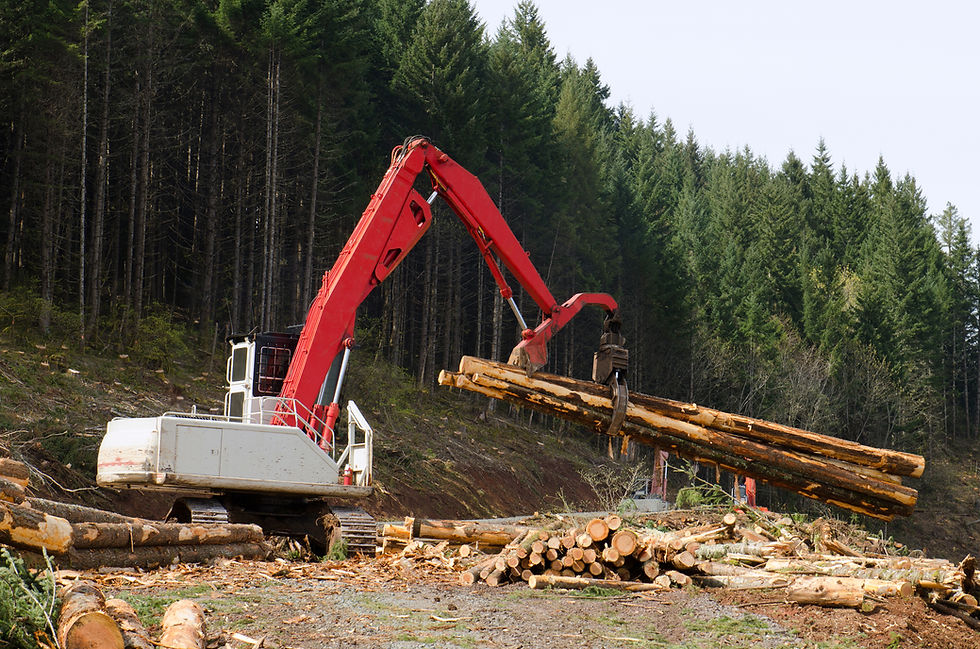
That's why insurance for land clearing businesses is about more than checking a box. The right coverage helps protect your company from job site risks, supports contract requirements, and shows customers that you're a professional operation they can trust.
Whether you're clearing lots for residential development, preparing commercial sites, removing trees, or handling large-scale vegetation management projects, understanding your insurance needs can help you stay competitive and protect your business.
What Insurance Does a Land Clearing Business Need?
Most land clearing businesses need a combination of:
General liability insurance
Commercial auto insurance
Workers' compensation insurance
Inland marine insurance (equipment floater coverage)
Pollution liability insurance
Commercial property insurance
Umbrella liability insurance
These coverages help address common risks such as property damage, employee injuries, equipment losses, vehicle accidents, and environmental claims. The exact policies and limits depend on your operations, contract requirements, equipment values, payroll, and state regulations.
This combination of coverage is often what helps land clearing contractors qualify for larger projects and satisfy insurance requirements from general contractors and project owners.
Why Insurance Matters for Land Clearing Contractors
Land clearing is high-risk work. Heavy equipment operates near structures, utilities, roadways, and environmentally sensitive areas. One mistake can lead to expensive claims or project delays.
Even experienced operators face risks such as:
Damage to neighboring property
Striking underground utilities
Employee injuries
Equipment theft
Vehicle accidents
Debris-related incidents
Environmental contamination claims
Contract disputes involving insurance requirements
Insurance helps transfer some of these financial risks away from your business.
In many cases, insurance is also required before you can provide a Certificate of Insurance (COI) to a project owner or general contractor.
General Liability Insurance: The Foundation of Protection
General liability insurance is usually the first policy a land clearing contractor purchases.
This coverage may help protect your business if a third party alleges:
Property damage
Bodily injury
Certain legal defense costs
Completed operations claims
For example, if debris from a clearing operation damages a neighboring structure, general liability insurance may respond depending on the policy terms.
Many project owners require proof of general liability coverage before allowing work to begin.
For contractors working with developers and commercial builders, this policy often serves as the foundation of a complete insurance program.
Equipment Floater Coverage Protects Mobile Machinery
Most land clearing businesses rely heavily on expensive equipment.
This may include:
Skid steers
Mulchers
Excavators
Dozers
Forestry equipment
Brush cutters
Attachments and specialized tools
An inland marine policy, often called an equipment floater, covers equipment while it moves between job sites or is temporarily stored away from your main location.
Because land clearing equipment frequently travels from project to project, standard property insurance may not provide adequate protection.
Equipment floater coverage may help with losses involving:
Theft
Vandalism
Fire
Certain accidental damage events
Coverage depends on policy terms, exclusions, and deductibles.
Workers' Compensation Insurance Protects Your Crew
Land clearing crews face daily hazards.
Workers may encounter:
Falling trees
Flying debris
Heavy machinery
Chainsaw injuries
Slips and falls
Heat-related illnesses
Workers' compensation insurance helps provide benefits for work-related injuries and illnesses.
Depending on state laws and policy terms, workers' compensation may help cover:
Medical expenses
Lost wages
Rehabilitation costs
Most states require employers with workers to carry workers' compensation coverage.
In addition to helping protect employees, many project owners require proof of coverage before awarding contracts.
For state-specific requirements, contractors can review information through the U.S. Department of Labor.
Commercial Auto Insurance for Job Site Travel
Land clearing businesses often depend on pickup trucks, dump trucks, trailers, and service vehicles.
Commercial auto insurance helps address risks associated with business-owned vehicles.
Coverage may include:
Liability for accidents
Physical damage coverage
Uninsured motorist protection
Medical payments coverage
If your crew regularly hauls equipment between sites, commercial auto coverage is a critical part of your risk management strategy.
Personal auto policies generally are not designed to cover many business-related vehicle exposures.
Pollution Liability Insurance and Environmental Risks
Many contractors overlook pollution liability insurance until a project creates an unexpected problem.
Land clearing operations can disturb:
Fuel storage areas
Chemical residues
Sediment runoff
Environmentally sensitive land
Pollution liability insurance helps address certain environmental claims that may not be covered under standard general liability policies.
For example, if clearing activities contribute to contamination allegations or environmental cleanup demands, pollution liability coverage may provide valuable protection depending on policy terms.
Environmental regulations continue to evolve, making this coverage increasingly important for contractors working on larger commercial and infrastructure projects.
Contractors can also stay informed through resources provided by the Environmental Protection Agency (EPA).

How Insurance Helps Win More Contracts
Many contractors view insurance as a cost of doing business.
Successful land clearing companies often see it differently.
Insurance can become a competitive advantage when bidding projects.
General contractors and developers frequently evaluate:
Insurance limits
Coverage types
Safety practices
Claims history
Ability to provide certificates quickly
When your insurance program aligns with contract requirements, you can move through the approval process faster.
This may help reduce delays and improve your chances of winning work.
A strong insurance program also signals professionalism and financial stability.
Common Insurance Requirements Found in Contracts
Before signing a project agreement, review insurance requirements carefully.
You may encounter requests for:
General liability limits
Additional insured status
Waiver of subrogation endorsements
Primary and non-contributory wording
Workers' compensation coverage
Commercial auto coverage
Umbrella liability limits
These requirements vary significantly between projects.
Working with an agent familiar with excavation and land clearing operations can help ensure your coverage aligns with contract obligations.
The Importance of 811 Locates and Risk Management
Insurance is only one part of protecting your business.
Strong risk management practices can help reduce claims and improve insurability.
Before beginning work, contractors should follow proper utility locating procedures.
The national 811 system helps contractors identify underground utility lines before excavation or disturbance activities begin.
Additional best practices include:
Conducting site inspections
Documenting pre-existing conditions
Training equipment operators
Maintaining equipment regularly
Using written safety programs
Monitoring subcontractors
Insurance companies often view proactive risk management favorably during underwriting.
What Affects the Cost of Insurance for Land Clearing Businesses?
There is no universal price for land clearing contractor insurance.
Premiums vary based on factors such as:
Business size
Annual revenue
Payroll
Number of employees
Equipment values
Vehicle fleet size
Claims history
State of operation
Types of projects performed
Requested coverage limits
A small owner-operator clearing residential lots will typically have different insurance needs than a contractor performing large commercial site development projects.
Because every operation is unique, it's important to obtain quotes tailored to your specific business.
Building an Insurance Program That Supports Growth
As your company grows, your insurance needs often change.
A contractor who starts with a single skid steer may eventually manage:
Multiple crews
Large equipment fleets
Commercial development projects
Government contracts
Subcontractor relationships
Growth often brings larger exposures and more demanding insurance requirements.
Regular policy reviews can help ensure your coverage keeps pace with your business.
An experienced insurance advisor can identify gaps, explain contract requirements, and recommend options that align with your operations.
Choosing an Insurance Partner Who Understands Land Clearing
Not every insurance agency understands the unique challenges of land clearing operations.
The best insurance partner understands:
Heavy equipment exposures
Job site liability risks
Excavation-related hazards
Utility damage concerns
Contract insurance requirements
Seasonal workforce issues
Working with a specialist who understands excavation and site-work contractors can make it easier to build a coverage program that supports both protection and growth.
Frequently Asked Questions
Do land clearing contractors need general liability insurance?
In most cases, yes. General liability insurance is often required by clients and may help protect against third-party bodily injury and property damage claims.
What is equipment floater insurance?
Equipment floater insurance, also called inland marine insurance, helps protect mobile equipment and tools while they are transported or used at various job sites.
Is workers' compensation required for land clearing businesses?
Requirements vary by state, but many employers are legally required to carry workers' compensation insurance when they have employees.
Does insurance cover damage to underground utilities?
Coverage depends on the circumstances, policy language, and endorsements involved. Contractors should discuss utility damage exposures with a licensed insurance professional.
How often should a land clearing contractor review insurance coverage?
At least annually and whenever significant changes occur, such as purchasing equipment, hiring employees, adding services, or pursuing larger contracts.
Protect Your Business and Position Yourself for Better Projects
Land clearing contractors face unique risks every day, from equipment losses and vehicle accidents to liability claims and contract requirements. The right insurance program can help protect your business while demonstrating professionalism to clients, developers, and general contractors.
If you're looking for insurance for land clearing businesses, contact Excavating Insurance Partners for a free quote. Our team understands excavation, site work, heavy equipment, and land clearing operations and can help you explore coverage options tailored to your business. Always consult a licensed insurance professional for advice specific to your operation and state requirements.


Comments