
How to Start a Land Clearing Business: Equipment, Costs, and Insurance
Updated: Sep 1
Starting a land clearing business can be a great opportunity if you already have experience with heavy equipment or want to build a company in the construction industry. Demand continues to grow for contractors who can prepare sites for homes, commercial buildings, farms, utility projects, and infrastructure work. The challenge is knowing which equipment to buy, how much startup capital you'll need, and how to protect your investment with the right insurance.
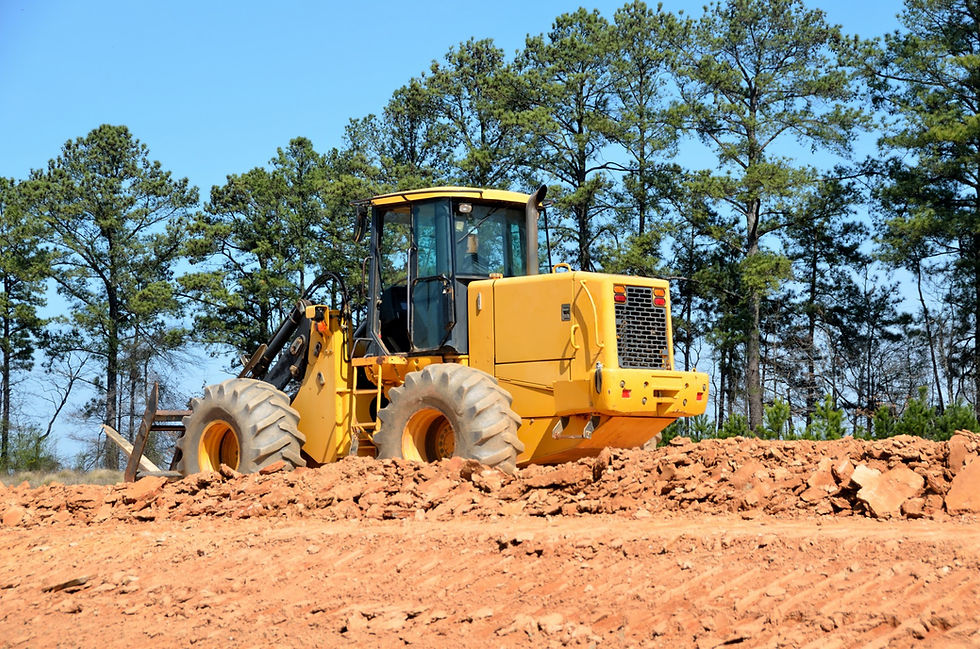
If you're wondering how to start a land clearing business, this guide covers the equipment, startup costs, licensing considerations, insurance, and practical steps to help you build a profitable operation.
How Do You Start a Land Clearing Business?
Starting a land clearing business involves more than buying a skid steer and accepting jobs. Most successful companies follow these basic steps:
Develop a business plan.
Register your business and obtain required licenses.
Purchase or finance the right equipment.
Obtain contractor insurance before beginning work.
Build relationships with general contractors, builders, developers, and property owners.
Learn local permitting and environmental requirements.
Create a marketing strategy and begin bidding projects.
The exact process varies by state, but these are the core steps nearly every successful land clearing contractor follows.
What Does a Land Clearing Business Do?
Land clearing contractors prepare property for future development by removing vegetation and obstacles safely and efficiently. Projects range from small residential lots to hundreds of acres of commercial development.
Common services include:
Tree and brush removal
Stump grinding or removal
Forestry mulching
Site preparation
Lot clearing
Vegetation management
Fence row clearing
Utility right-of-way clearing
Debris hauling
Grading after clearing
Many contractors eventually expand into excavation, grading, demolition, erosion control, or septic installation to increase revenue throughout the year.
Create a Business Plan Before Buying Equipment
One of the biggest mistakes new contractors make is purchasing expensive machinery before understanding their market.
Your business plan should answer questions like:
Who are your ideal customers?
What services will you specialize in?
What equipment will you need?
Will you own or lease equipment?
How much financing is available?
What are your expected operating expenses?
How will you market your company?
A clear business plan also helps when applying for equipment financing or business loans.
Equipment Needed to Start a Land Clearing Business
The equipment you purchase depends on the type of work you plan to perform. Many contractors start with versatile machines that can handle several job types before investing in specialty equipment.
Essential Equipment
Most new businesses begin with equipment such as:
Skid steer with forestry mulcher attachment
Compact track loader
Excavator
Bulldozer
Brush cutter
Chainsaws
Stump grinder
Grapple bucket
Root rake
Dump trailer
Equipment trailer
Pickup truck
A skid steer with multiple attachments often provides the best value because one machine can perform several different tasks.
Safety Equipment
Don't overlook personal protective equipment (PPE). Every crew should have:
Hard hats
Safety glasses
Hearing protection
High-visibility clothing
Steel-toe boots
Chainsaw chaps
Fire extinguishers
First aid kits
Safety equipment costs far less than an injury or OSHA citation.
Startup Costs
Startup costs vary widely depending on whether you purchase new or used equipment and how large you want your operation to be.
Typical startup expenses include:
Heavy equipment
Trailers
Pickup trucks
Tools
Safety gear
Fuel
Maintenance
Licensing and registration
Insurance
Office expenses
Marketing
Payroll
Many contractors begin with one machine and gradually expand as cash flow improves instead of taking on excessive debt early.
Licensing and Permits
Requirements differ by state and even by county.
Depending on your location, you may need:
Business registration
Contractor license
Commercial driver's license (CDL)
Oversize equipment permits
Environmental permits
Local business licenses
Before beginning excavation or clearing work, contractors should also understand local regulations involving wetlands, erosion control, protected trees, and stormwater management.
Always contact 811 before digging or disturbing the ground. Utility locating services help identify buried gas, electric, communication, and water lines before excavation begins. Learn more about safe excavation practices through the Common Ground Alliance at https://commongroundalliance.com.
Pricing Land Clearing Jobs
Learning how to estimate projects accurately is one of the most important skills in the business.
Consider factors such as:
Property size
Tree density
Brush thickness
Terrain
Rock removal
Hauling requirements
Disposal fees
Equipment hours
Fuel costs
Labor
Travel time
Permit requirements
Many contractors also include a contingency for unexpected conditions like hidden debris, buried concrete, or difficult access.
Carefully review plans and perform site visits whenever possible before submitting bids.
Managing Risk on Every Job Site
Land clearing presents several hazards that can quickly become expensive.
Common risks include:
Falling trees
Flying debris
Equipment rollovers
Buried utility strikes
Property damage
Wildfire risks
Employee injuries
Environmental damage
Develop written safety procedures and ensure operators receive proper equipment training.
If your work involves excavation, always verify utility locates before digging. The Occupational Safety and Health Administration (OSHA) also provides valuable safety guidance for construction contractors at https://www.osha.gov.
Insurance Every Land Clearing Business Should Consider
Insurance is one of the most important investments for any contractor. A single accident involving heavy equipment or property damage may lead to significant financial losses.
The exact policies your business needs depend on your services, equipment, employees, contracts, and state requirements. A licensed insurance agent can help determine the right coverage for your operation.
General liability insurance helps protect your business if someone claims your work caused bodily injury or property damage. It may also help with legal defense costs, depending on your policy.
Many general contractors require proof of this coverage before awarding contracts. This proof is usually provided through a Certificate of Insurance (COI), a document showing your active insurance policies and coverage limits.
Inland Marine Insurance (Equipment Floater)
An inland marine policy, sometimes called an equipment floater, helps cover mobile equipment, tools, and machinery while they move between job sites or are stored away from your main location.
Because land clearing contractors frequently transport expensive equipment, this coverage is often essential.
Commercial auto insurance covers trucks, trailers, and business vehicles used in your operation. Personal auto insurance typically does not provide adequate coverage for commercial contracting activities.
Workers' compensation insurance helps provide benefits if employees suffer work-related injuries or illnesses. Requirements vary by state, but many contractors are legally required to carry this coverage once they hire employees.
Pollution Liability Insurance
Land clearing can involve fuel spills, disturbed soils, sediment runoff, or other environmental concerns.
Pollution liability insurance may help cover certain environmental claims, depending on the policy and circumstances. This coverage can be especially valuable for contractors working near waterways or environmentally sensitive areas.
Commercial Property Insurance
If you own an office, shop, or storage building, commercial property insurance may help protect those structures and business property from covered losses.
Umbrella Insurance
Commercial umbrella insurance provides additional liability protection above the limits of certain underlying policies. Contractors working on larger commercial projects often purchase umbrella coverage to meet contract requirements.

Building Relationships That Generate Work
Many successful contractors receive most of their work through referrals and repeat customers.
Good networking opportunities include:
General contractors
Home builders
Developers
Utility contractors
Local governments
Farmers
Real estate developers
Surveyors
Engineers
Delivering projects safely, on schedule, and within budget often leads to repeat business.
Marketing Your Land Clearing Business
A professional image helps you compete against larger companies.
Consider investing in:
A professional website
Local SEO
Before-and-after project photos
Customer reviews
Social media
Branded trucks and equipment
Referral programs
Many customers begin their search online, making local visibility an important part of business growth.
To successfully implement and manage these strategies, many land clearing contractors turn to Contractor Back Office, a team that specializes in SEO, social media marketing, and website creation and management. Instead of trying to handle everything yourself, you can rely on their contractor-focused expertise to build your online presence, attract more local leads, and keep your business consistently growing.

Common Mistakes New Contractors Make
Many startups struggle because they underestimate costs or overestimate early revenue.
Avoid these common mistakes:
Buying too much equipment too soon
Underpricing bids
Ignoring maintenance costs
Operating without proper insurance
Failing to document job site conditions
Skipping written contracts
Neglecting equipment inspections
Not calling 811 before digging
Small operational improvements often have a bigger impact than purchasing another machine.
Final Thoughts
Starting a land clearing business requires planning, reliable equipment, strong estimating skills, and a commitment to safety. While startup costs can be significant, careful financial planning and smart equipment purchases can position your business for long-term success.
Insurance should be viewed as part of your overall business strategy rather than just another expense. The right combination of general liability, inland marine, commercial auto, workers' compensation, pollution liability, and other coverages may help protect the investment you've worked hard to build. Because every operation is different, it's important to speak with a licensed insurance agent who understands excavation and land clearing contractors before choosing coverage.
Frequently Asked Questions
How much does it cost to start a land clearing business?
Startup costs vary significantly depending on equipment purchases, financing, insurance, employees, and your service area. Contractors starting with used equipment generally invest less than those purchasing new machinery.
What equipment is most important for a new land clearing business?
Many contractors begin with a compact track loader or skid steer equipped with a forestry mulcher attachment, along with trailers, chainsaws, grapples, and support equipment.
Do land clearing contractors need insurance?
Yes. Most contractors carry general liability insurance, commercial auto insurance, inland marine coverage for equipment, workers' compensation if required, and other policies based on their operations and contractual obligations.
Do I need to call 811 before land clearing?
If your work involves digging or disturbing the ground, you should contact 811 before starting. Utility locates help reduce the risk of striking underground utility lines.
Can I expand from land clearing into excavation?
Many contractors do. Once established, businesses often add excavation, grading, demolition, drainage work, or site preparation services to increase revenue and serve existing customers.
Request a Free Insurance Quote
Whether you're launching a new land clearing company or growing an established operation, having insurance tailored to your business is an important part of managing risk. The experienced team at Excavating Insurance Partners understands the unique challenges faced by land clearing, excavation, and site-work contractors.
Contact Excavating Insurance Partners today to request a free, no-obligation insurance quote and discuss coverage options designed for your equipment, employees, and the work you perform.


Comments