
How To Get an Insurance Quote for a Demolition Contractor
Updated: Sep 2
If you operate a demolition business, you already know insurance isn’t just paperwork—it’s a gatekeeper. One missing certificate can stop a project cold, and the wrong policy can leave you exposed on a high‑risk jobsite. From tearing down structures to hauling debris and operating heavy machinery, demolition work carries unique risks. That’s why
understanding how to get an insurance quote for a demolition contractor—step by step—helps you move faster, stay compliant, and protect your business the right way.

Below is a clear, practical walkthrough written for demolition contractors who want fewer surprises and better coverage.
Step-by-Step: How To Get an Insurance Quote for a Demolition Contractor
Step 1: Clearly Define Your Demolition Services
Insurance carriers don’t insure job titles—they insure activities. Before you request a quote, clearly define what type of demolition work you perform.
Be ready to explain:
Residential, commercial, or industrial demolition
Full structural demolition vs. interior or selective demo
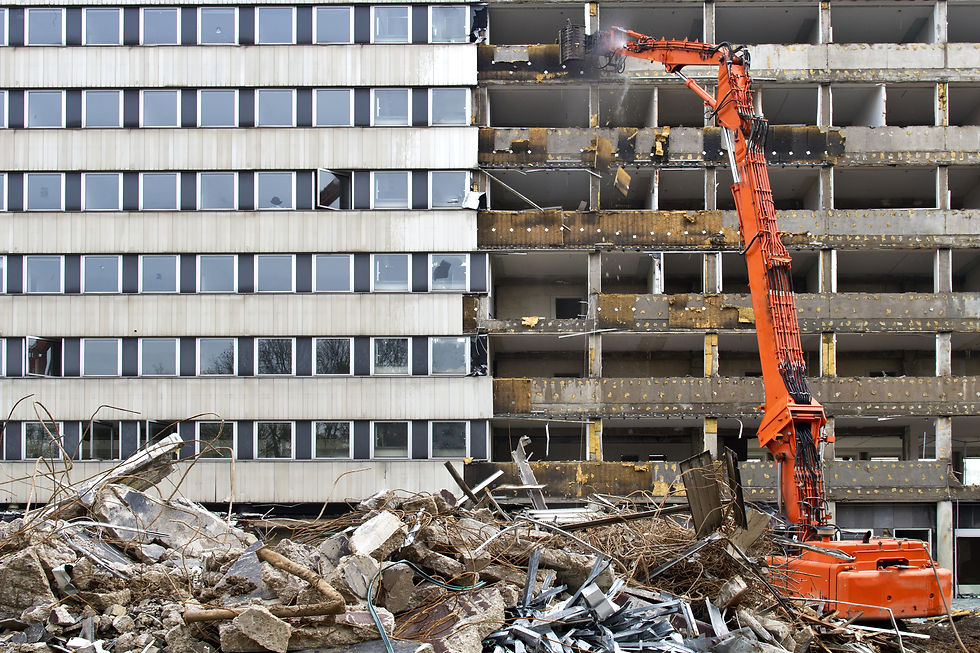
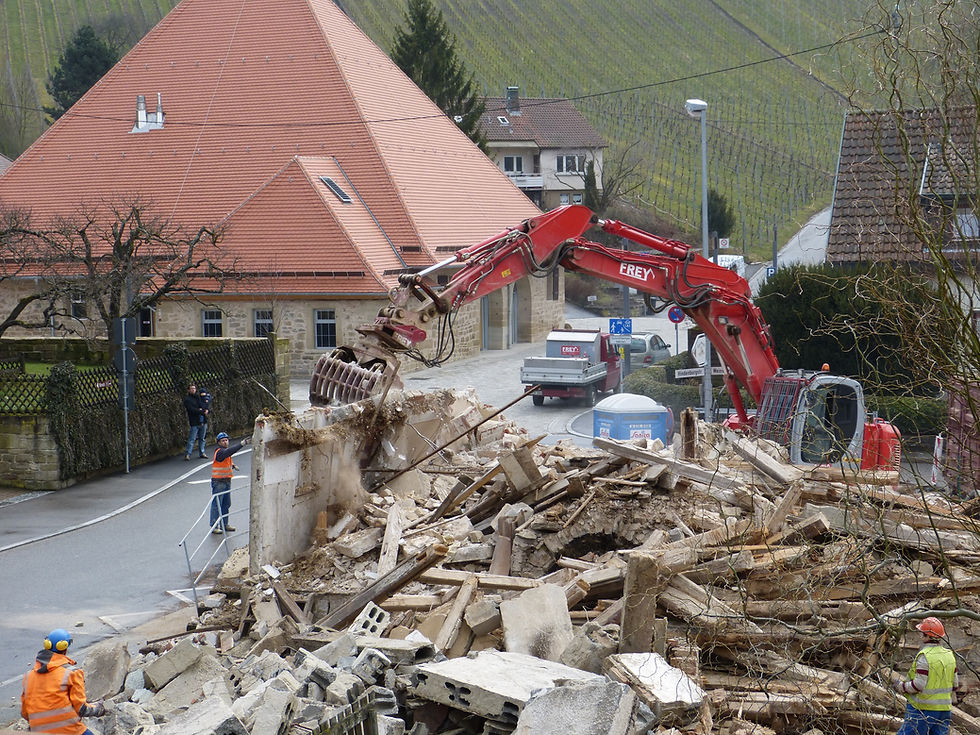
Mechanical demolition using heavy equipment vs. manual teardown
Concrete cutting, saw work, or structural removal
The more specific you are, the more accurate your quote will be. Vague descriptions often lead to exclusions or misclassification.

Step 2: Gather Your Business Information
Next, prepare the core details insurers require to evaluate risk.
This typically includes:
Legal business name and structure (LLC, corporation, etc.)
Years of demolition experience
Business address and service areas
Estimated annual revenue
Number of employees and payroll
New demolition contractors can still be quoted using reasonable estimates. Accuracy matters more than perfection at this stage.
Step 3: Document Vehicles and Equipment
Demolition relies heavily on trucks and machinery, and insurers need a clear picture of what you use.
Prepare a list of:
Dump trucks, flatbeds, and trailers
Excavators, skid steers, breakers, shears, and attachments
Whether equipment is owned, financed, or leased
Approximate replacement values
This information directly affects pricing and coverage under equipment and auto policies.
Step 4: Review Required and Recommended Coverages
An insurance quote isn’t just a number—it’s a package of protections. Understanding what each policy does helps you choose wisely.
Key Insurance Coverages for Demolition Contractors
General Liability Insurance covers third‑party bodily injury and property damage claims. For demolition contractors, this may include damage to nearby structures, sidewalks, utilities, or neighboring buildings.
Most project owners require this coverage before work begins.
Workers’ Compensation Insurance is required in most states if you have employees. Demolition sites involve heavy machinery, falling debris, and physical labor, making this coverage essential.
It helps cover medical costs and lost wages for injured workers and protects your business from lawsuits.
Commercial Auto Insurance covers vehicles used for demolition operations, including hauling debris or transporting equipment.
Personal auto policies typically exclude business use, which can lead to denied claims.
Inland Marine Insurance, often called contractors equipment coverage, protects machinery while it’s on the jobsite, in storage, or being transported.
This is critical for demolition contractors due to the value and constant movement of equipment.
An Umbrella Policy provides additional liability limits above your general liability and auto policies. Demolition claims can escalate quickly, making this extra layer of protection valuable.
Step 5: Work With a Contractor-Focused Insurance Agency
General insurance agencies often misunderstand demolition exposure, which can lead to coverage gaps. Working with a contractor-specialized agency ensures your demolition work is properly classified and covered.
This step alone can make a major difference in claim outcomes later.
Step 6: Review the Quote Carefully Before Binding
Before you move forward, review:
Coverage limits
Exclusions related to demolition
Deductibles
Certificate of insurance availability
The cheapest quote isn’t always the safest. Proper coverage matters far more than small premium differences.
Frequently Asked Questions
Is demolition considered high‑risk for insurance?
Yes. Demolition involves structural risk, heavy equipment, and debris exposure, so it’s often rated higher than many construction trades.
Can new demolition contractors get insured?
Absolutely. Startups can usually obtain coverage using projected revenue and payroll.
Is general liability enough by itself?
No. General liability does not cover employee injuries, vehicle accidents, or damage to your own equipment.
How often should demolition insurance be updated?
Any time you add equipment, hire employees, or expand services, your coverage should be reviewed.
Get the Right Insurance Quote for Your Demolition Business
Getting an insurance quote doesn’t need to be complicated—when it’s done correctly. Clear information, proper classifications, and contractor‑specific expertise make all the difference.
To get an insurance quote for a demolition contractor that actually reflects your work, contact Excavating Insurance Partners.
Call 317‑942‑0549 or visit https://www.excavatinginsurancepartners.com/

Comments