
How Much Do Land Clearing Business Owners Make in 2026?
If you're considering starting a land clearing company or expanding your excavation business into forestry and site preparation work, you're probably asking one question first: how much do land clearing business owners make in 2026?
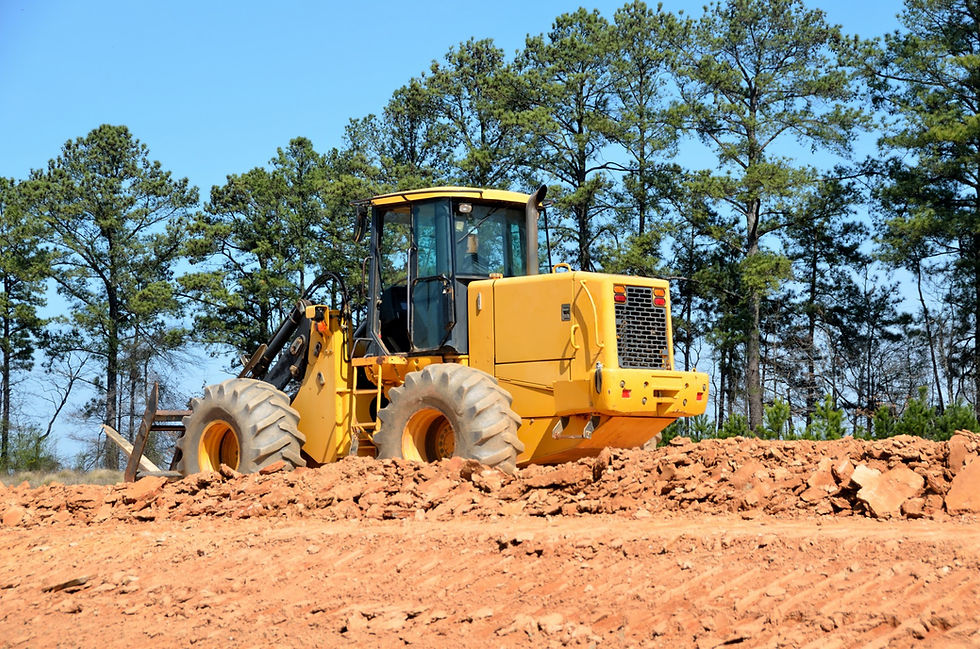
The answer depends on several factors, including equipment ownership, local demand, project size, operating costs, and business management. Some owner-operators earn a solid income running a skid steer and forestry mulcher, while larger companies with multiple crews, excavators, and specialized equipment can generate substantially higher profits. Like most dirt-work businesses, what matters isn't just revenue, it's what remains after expenses are paid.
How Much Do Land Clearing Business Owners Make in 2026?
Most land clearing business owners earn approximately $60,000 to $300,000+ per year, depending on company size, service offerings, equipment costs, market demand, and operating efficiency.
Small owner-operated businesses often fall toward the lower end of that range, while established companies handling commercial, utility, development, and large-acreage projects may exceed those figures. These are estimated industry ranges only. Actual earnings vary significantly based on location, competition, weather, fuel prices, labor availability, and business performance.
Why Land Clearing Continues to Be in Demand
Before homes, subdivisions, utility corridors, commercial buildings, solar farms, or infrastructure projects can be built, somebody has to prepare the site.
That's where land clearing contractors come in.
Typical land clearing services include:
Forestry mulching
Brush removal
Tree clearing
Right-of-way clearing
Site preparation
Lot clearing
Vegetation management
Storm cleanup
Selective clearing
Development clearing
Many land clearing companies also perform related services such as excavation, grading, drainage installation, and debris hauling.
As communities grow and infrastructure projects continue, qualified land clearing contractors remain an important part of the construction process.
Typical Revenue and Income Ranges
One of the biggest misconceptions in contracting is assuming revenue equals owner income.
A land clearing company may produce impressive annual sales while still carrying significant operating expenses.
Small Owner-Operator Land Clearing Business
Typical characteristics:
Owner performs most work
One forestry mulcher or skid steer
Local residential customers
Minimal overhead
Estimated annual revenue range:
$150,000 to $500,000
Estimated owner income range:
$60,000 to $120,000
Growing Land Clearing Company
Typical characteristics:
Multiple operators
Several machines
Residential and commercial clients
Expanded service area
Estimated annual revenue range:
$500,000 to $2 million
Estimated owner income range:
$100,000 to $250,000
Established Land Clearing Contractor
Typical characteristics:
Multiple crews
Excavators and mulching equipment
Utility and commercial contracts
Extensive service territory
Estimated annual revenue range:
$2 million to $10 million+
Estimated owner income range:
$200,000 to $500,000+
These ranges are illustrative estimates only and should not be interpreted as guarantees. Actual results depend heavily on local market conditions, operating costs, pricing strategy, debt levels, and management performance.
Explore more in our blog: How to Price Land Clearing Jobs for Maximum Profit
What Services Generate the Most Revenue?
Not all land clearing services produce the same project values.
Many profitable contractors offer several complementary services.
Forestry Mulching
Forestry mulching has grown in popularity because it allows contractors to clear vegetation efficiently while reducing hauling requirements.
Typical jobs include:
Residential lot clearing
Hunting property improvements
Trail creation
Utility corridors
Municipal projects
Because debris is processed on-site, some customers prefer this approach over traditional clearing methods.
Commercial Site Clearing
Commercial clearing projects often involve:
Retail developments
Industrial sites
Apartment projects
Warehouses
Mixed-use developments
These jobs generally require larger equipment and stronger project management capabilities.
Right-of-Way Clearing
Utility and infrastructure projects frequently require:
Vegetation management
Utility corridor maintenance
Access road clearing
Pipeline corridor preparation
Companies capable of handling these projects often benefit from recurring work opportunities.
Storm Cleanup
Severe weather events can create demand for emergency clearing services.
Storm cleanup may involve:
Tree removal
Debris hauling
Access restoration
Site stabilization
While not always predictable, storm work can become a valuable supplemental revenue source.
Major Expenses That Affect Owner Income
When evaluating how much land clearing business owners make, it's important to understand where revenue goes.
Equipment Costs
Land clearing is equipment-intensive.
Common machines include:
Skid steers
Forestry mulchers
Excavators
Dozers
Wheel loaders
Dump trailers
Major costs often include:
Financing
Attachments
Repairs
Maintenance
Track replacement
Depreciation
A forestry mulching head alone represents a major investment for many contractors.
Fuel Expenses
Fuel remains one of the largest operating costs in the industry.
Forestry equipment, excavators, and trucks can consume substantial amounts of fuel during long project days.
Contractors who carefully monitor machine utilization often protect profitability more effectively.
Labor Costs
As businesses grow, payroll becomes one of the largest expenses.
Labor-related costs may include:
Operators
Laborers
Supervisors
Payroll taxes
Benefits
Training
Efficient crews often make a bigger difference than simply adding more employees.
Transportation Costs
Moving equipment between jobs is expensive.
Costs can include:
Truck payments
Trailer maintenance
Permits
Fuel
Driver wages
Long travel distances can significantly impact project profitability.
What Separates High-Income Land Clearing Business Owners?
Many successful contractors earn more because they focus on business fundamentals rather than simply purchasing more equipment.
They Keep Equipment Working
Idle equipment generates expenses without generating revenue.
Strong operators focus on maintaining a consistent project pipeline and maximizing machine utilization.
They Understand Job Costing
Profitable land clearing contractors track:
Fuel costs
Labor hours
Equipment hours
Transportation expenses
Maintenance costs
Without understanding these numbers, accurate pricing becomes difficult.
They Build Relationships
Repeat customers can become extremely valuable.
Common referral sources include:
Excavation contractors
Home builders
Developers
Surveyors
Engineers
Utility contractors
Building relationships often produces more sustainable growth than relying solely on advertising.
They Diversify Services
Many successful companies offer:
Land clearing
Excavation
Grading
Drainage work
Site preparation
Demolition support
Diversification helps stabilize revenue throughout the year.

What Most People Get Wrong
Most people assume land clearing is simply about buying a forestry mulcher and finding landowners who need trees removed.
That's rarely the full story.
The contractors who consistently earn strong incomes usually excel at estimating, scheduling, equipment maintenance, transportation logistics, and relationship building. We've seen companies with newer machines struggle because they lacked consistent work, while others with older equipment remained highly profitable because they understood job costing and managed their operations carefully.
In other words, owning equipment creates opportunity, but running a disciplined business creates profit.
Why Excavation Contractors Often Succeed in Land Clearing
Many excavation contractors already possess skills that translate directly into land clearing work.
These include:
Reading site plans
Managing equipment fleets
Understanding soil conditions
Operating heavy equipment
Building contractor relationships
They also understand concepts such as:
811 utility locates
Utility easements
COI requirements
Erosion control
Access roads
Spoil pile management
Because of these similarities, land clearing often becomes a natural expansion service for excavation companies.
Insurance and Licensing Reality Check
Land clearing contractors face substantial risks.
Common exposures include:
Equipment damage
Vehicle accidents
Tree-related property damage
Utility strikes
Employee injuries
Fire-related claims
Environmental concerns
Coverage often discussed with a licensed insurance professional may include:
Workers' compensation insurance
Inland marine insurance
Equipment coverage
Umbrella liability insurance
Coverage needs vary based on payroll, equipment values, project size, services performed, and contractual requirements.
Licensing requirements also vary widely by state and locality. Some contractors may need business registrations, commercial vehicle compliance, environmental permits, specialized tree removal licensing, or other approvals depending on the services offered.
Always verify requirements with local authorities and consult qualified legal, tax, or licensing professionals regarding your specific situation.
The U.S. Small Business Administration offers business planning resources that can help contractors evaluate growth opportunities and financing options:
Land clearing contractors should also remain familiar with excavation and utility safety best practices, including contacting 811 before disturbing the ground:
How Land Clearing Business Owners Increase Earnings
Most successful operators grow methodically.
Common growth strategies include:
Adding forestry mulching services
Expanding into commercial projects
Increasing acreage capacity
Building relationships with developers
Adding excavation services
Offering storm cleanup
Expanding service territory
The strongest businesses often focus on improving efficiency before expanding their equipment fleets.
Frequently Asked Questions
Is owning a land clearing business profitable?
Many land clearing businesses can be profitable, but profitability depends on equipment costs, labor expenses, utilization rates, local demand, and project management.
How much can a small land clearing business owner make?
Many owner-operators earn approximately $60,000 to $120,000 annually, although actual results vary considerably by market and business structure.
What equipment is needed to start a land clearing business?
Many businesses start with a skid steer and forestry mulcher attachment, while larger operations may also use excavators, dozers, and hauling equipment.
How much does it cost to start a land clearing business?
Startup costs vary significantly. Some operators start with used equipment and lower overhead, while larger operations may invest several hundred thousand dollars or more.
Do land clearing contractors need insurance?
Yes. Most land clearing businesses carry multiple types of insurance because of the risks associated with heavy equipment, transportation, and property damage.
Final Thoughts
So, how much do land clearing business owners make in 2026?
For many businesses, owner income falls somewhere between $60,000 and $300,000+ per year, with some larger operations exceeding those ranges. The exact amount depends on service offerings, equipment ownership, operating efficiency, local demand, and business management.
What we consistently see is that the most profitable land clearing contractors focus on utilization, cost control, customer relationships, and sustainable growth. They understand that machines create capacity, but systems and discipline create profits.
Request a Free Quote for Your Land Clearing Business
Whether you're starting a new land clearing company, expanding into forestry mulching, or growing an existing excavation operation, insurance is an important part of protecting your investment.
At Excavating Insurance Partners, we work with land clearing, excavation, site work, demolition, and heavy equipment contractors throughout the United States. We understand the risks associated with clearing land, operating heavy machinery, transporting equipment, and meeting customer contract requirements.
When you're ready to launch, grow, or review your current coverage, request a free quote from our team.
Get started today: https://www.excavatinginsurancepartners.com/quote
Or call 317-942-0549 to speak with a licensed insurance professional.


Comments