
How Fast Can a New Excavation Business Get Insured? From Quote to Certificate of Insurance
Starting an excavation business often moves faster than many owners expect. One day you're pricing jobs, lining up equipment, and talking with general contractors. The next day you're being asked for a certificate of insurance (COI) before you can step onto a project.
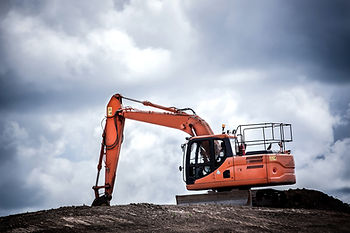
The good news is that a new excavation business can often obtain insurance and receive a certificate of insurance quickly when the required information is ready. The actual timeline depends on the type of work being performed, the equipment involved, the requested coverages, and how complete the application is.
If you're wondering how fast a new excavation business can get insured, here's a straightforward look at what affects the process and what you can do to avoid delays.
The Short Answer
A new excavation business may be able to obtain insurance and receive a certificate of insurance the same day or within a few business days when all required information is submitted promptly.
Simple operations performing residential grading, light excavation, or site preparation typically move through the process faster than contractors performing utility work, demolition, drilling, or large-scale earthmoving projects. Additional review may be required for higher-risk operations, specialized equipment, or unusual contract requirements.
The fastest path from insurance quote to certificate of insurance is having complete business information ready before requesting coverage.
Understanding the Insurance Timeline
Many new contractors assume insurance starts with the certificate of insurance. In reality, the process usually follows several steps.
Gather business information
Complete an insurance application
Review operations and exposures
Receive coverage options
Select coverage
Submit required documents
Bind coverage
Issue certificate of insurance
For straightforward accounts, several of these steps may happen on the same day.
For more specialized excavation businesses, additional underwriting review may be necessary before coverage can be issued.
What Information Is Needed to Get an Excavation Business Insured?
The speed of the insurance process often comes down to preparation.
Most insurance carriers want information such as:
Business name and entity type
Years of industry experience
Description of operations
Types of projects performed
Estimated annual revenue
Number of employees
Equipment owned or leased
Service territory
Subcontractor usage
Loss history if applicable
For excavation contractors, underwriters typically want a clear understanding of the work being performed.
For example:
Site preparation
Land clearing
Grading
Trenching
Utility installation
Septic system installation
Demolition
Drilling operations
Providing detailed and accurate descriptions upfront helps avoid follow-up questions that can slow the process.
What Coverages Does a New Excavation Business Usually Need?
Coverage requirements vary by contractor, project type, and state.
The most commonly requested coverages include:
General Liability Insurance
General liability insurance helps protect against third-party bodily injury and property damage claims arising from your operations.
General contractors, municipalities, developers, and property owners frequently require proof of this coverage before work begins.
Commercial Auto Insurance
If your business uses dump trucks, service trucks, pickup trucks, or other road-going vehicles, commercial auto insurance is typically necessary.
Personal auto policies generally are not designed for business-use construction vehicles.
Equipment Insurance
Heavy equipment represents a major investment for excavation businesses.
Equipment insurance may help protect:
Excavators
Mini excavators
Bulldozers
Backhoes
Skid steers
Track loaders
Compact equipment
Attachments
Contractors looking for more information about protecting machinery should review Who Insures Skid Steers, Backhoes, and Trackhoes? Where Contractors Get Equipment Coverage as part of their equipment risk management planning.
Workers' Compensation Insurance
Workers' compensation requirements vary by state and business structure.
Contractors hiring employees often need workers' compensation coverage before beginning operations. For detailed workers' compensation guidance, contractors should consult Total Work Comp and applicable state requirements.
Umbrella Liability Insurance
Some contracts require liability limits beyond the primary policy.
An umbrella policy may provide additional protection above certain underlying liability coverages, subject to policy terms and conditions.

Why Some Excavation Businesses Get Approved Faster Than Others
Not every excavation account is reviewed the same way.
Several factors can affect how quickly insurance is issued.
Type of Work
Residential grading and small excavation projects are often easier to evaluate than:
Utility excavation
Deep trenching
Railroad work
Demolition operations
Directional drilling
Environmental remediation
Specialized operations often require additional underwriting review.
Equipment Values
Businesses with multiple excavators, bulldozers, and support equipment may require more detailed information than contractors operating a single machine.
Contract Requirements
Some project owners request:
Additional insured endorsements
Waivers of subrogation
Primary and noncontributory language
Specific liability limits
The more unique the contract requirements, the more review may be necessary.
Prior Experience
New businesses founded by experienced operators typically present differently than owners entering the industry without excavation experience.
Underwriters often look at industry experience when evaluating a new venture.
What Can Delay the Process?
Several common issues slow new excavation contractors down.
Incomplete Applications
Missing information is one of the most common causes of delays.
Examples include:
Missing revenue estimates
Unclear work descriptions
Missing equipment schedules
Missing vehicle information
Last-Minute Insurance Requests
Waiting until the day before mobilization creates unnecessary pressure.
Starting the process early gives everyone time to address underwriting questions.
Complex Operations
Projects involving underground utility work, demolition, drilling, blasting, or environmental exposures may require additional review.
Utility excavation projects often involve additional hazards, including contact with underground utilities. Before beginning any digging project, contractors should follow safe excavation practices and complete required utility locates through the 811 utility location service.
Incorrect Classifications
Insurance companies need an accurate picture of your operations.
Describing excavation work incorrectly can create delays and potentially create coverage issues later.
Utility excavation projects often involve additional hazards, including contact with underground utilities. Before beginning any digging project, contractors should follow safe excavation practices and complete required utility locates through OSHA Construction Industry Standards
The Certificate of Insurance Process
A certificate of insurance, commonly called a COI, is a document showing proof of insurance.
General contractors, municipalities, developers, lenders, and project owners commonly request certificates before work begins.
Once coverage is active, certificates can often be issued quickly.
The turnaround time depends on:
Whether coverage is already bound
Contract requirements
Additional insured requests
Endorsement requirements
Certificate holder information
Simple certificates are generally faster than certificates requiring special language or multiple endorsements.
What Most People Get Wrong
Many new excavation contractors believe they should wait until they land a project before discussing insurance.
In reality, insurance is often part of winning the work.
General contractors may want proof of coverage before signing agreements. Equipment lenders may require insurance before funding equipment purchases. Some bid opportunities may even require proof of insurance during the bidding process.
Starting insurance discussions before the first project often prevents expensive delays when opportunities appear.
How to Speed Up the Insurance Process
If you're trying to get insured quickly, follow these steps:
Have Business Information Ready
Prepare:
Business entity documents
Contact information
Revenue estimates
Employee counts
Equipment lists
Vehicle information
Describe Operations Clearly
Instead of stating "excavation work," provide details.
Examples include:
Residential site preparation
Septic installation
Land clearing
Utility trenching
Commercial grading
The more specific the description, the easier underwriting becomes.
Review Your Entire Insurance Program
Many contractors eventually need multiple policies.
Businesses seeking efficiency may benefit from learning whether Can One Agency Bundle General Liability, Workers' Comp, and Equipment Coverage for an Excavation Contractor? applies to their operation. Coordinating coverages through one source may simplify administration and certificate requests.
Ask About Future Growth Plans
If you expect to:
Add employees
Purchase equipment
Expand service territory
Take on utility work
Move into demolition
Discuss those plans early so your coverage can evolve with your business.
Questions to Ask Before Buying Coverage
Before selecting coverage, consider asking:
What operations are included?
Are subcontractors covered?
What equipment can be insured?
What certificates can be issued for project owners?
Are additional insured endorsements available?
What information is required when work changes?
How are newly acquired machines handled?
These questions can help avoid surprises later.
Frequently Asked Questions
Can I get excavation insurance the same day?
In some situations, yes. Straightforward operations with complete information may be able to obtain coverage and a certificate of insurance on the same day. Timing depends on underwriting review and coverage requirements.
Do I need insurance before buying equipment?
Many lenders require proof of insurance before financing equipment. Requirements vary by lender and equipment type.
Can I get a certificate of insurance before I start work?
Typically, yes. Once coverage is active, a certificate of insurance can generally be issued for project owners, general contractors, and other requesting parties.
Will insurance cover every excavation project I perform?
Not necessarily. Coverage depends on the policy, endorsements, exclusions, and the specific operations being performed. Always review new project types with your insurance professional.
How early should I start the insurance process?
Starting several weeks before your first project is often the best approach. Early planning helps prevent project delays and allows time for underwriting review if needed.
Ready to Get Your Excavation Business Insured?
The fastest way to move from quote to certificate of insurance is preparation. Contractors who clearly describe their operations, provide complete information, and plan ahead generally experience fewer delays.
Whether you're starting a new excavation company, adding equipment, taking on larger projects, or preparing for your first certificate request, Excavating Insurance Partners can help you understand your coverage options and navigate the process.
If you'd like a no-obligation review of your excavation insurance needs, request a free quote from Excavating Insurance Partners and speak with a specialist who understands excavation, site work, land clearing, utility, septic, and heavy equipment operations.


Comments