
Hiring an Excavator for a Pool Dig: A Homeowner's Guide
Adding a swimming pool is an exciting project, but the success of your pool starts long before the first drop of water goes in. One of the most important steps is hiring an excavator for a pool dig who has the right equipment, experience, and insurance to prepare the site correctly.
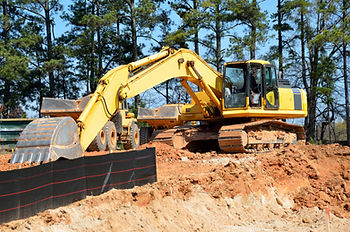
A poor excavation job can lead to drainage problems, delays, utility damage, unexpected costs, and even structural issues with the finished pool. In this guide, we'll explain what homeowners should know before hiring a pool excavation contractor and how to choose the right professional for the job.
Why Pool Excavation Matters
Pool excavation is much more than digging a large hole in the ground. The excavation contractor is responsible for creating the foundation that supports the entire pool structure.
A successful pool excavation involves:
Site evaluation
Utility locating
Soil assessment
Excavation and grading
Spoil management
Drainage planning
Safe equipment operation
Even small mistakes during excavation can create expensive problems later during pool construction.
What Does an Excavator Do During a Pool Dig?
Professional excavation contractors typically handle several critical tasks before the pool installation crew arrives.
Site Inspection and Planning
Before any digging begins, the contractor evaluates:
Property access points
Existing landscaping
Slope and grading conditions
Soil conditions
Underground utilities
Drainage patterns
This planning helps prevent delays and surprises once excavation begins.
Utility Locates
One of the most important safety steps is locating underground utilities.
Reputable contractors will verify that utility locates have been completed before excavation starts. Homeowners should also ensure that the national 811 service has been contacted. You can learn more about utility locating requirements through the official 811 program: https://www.811beforeyoudig.com
Damaging underground utility lines can result in costly repairs, project delays, and serious safety hazards.
Excavation and Grading
Once the site is cleared, the excavation crew uses equipment such as:
Mini excavators
Full-size excavators
Skid steers
Compact track loaders
Dump trucks
The crew digs according to the engineered pool layout while maintaining proper grades and elevations.
Spoil Pile Management
Excavating a pool creates significant amounts of soil, often called a spoil pile.
Contractors typically provide options such as:
Hauling excess material away
Reusing soil elsewhere on the property
Stockpiling material for future landscaping projects
Discuss spoil removal before work starts to avoid unexpected charges.
How Much Does Pool Excavation Cost?
Pool excavation costs vary widely based on project conditions and location.
Factors that commonly influence excavation costs include:
Pool size and depth
Soil conditions
Rock removal requirements
Property accessibility
Slope of the site
Soil disposal needs
Local labor costs
Permit requirements
For example, a flat backyard with good soil and easy equipment access is generally less expensive than a steep lot with rocky ground and limited access.
The best approach is to obtain several detailed estimates from experienced excavation contractors and compare the scope of work rather than selecting the lowest price alone.
Questions to Ask Before Hiring an Excavator
Not all contractors have experience with pool excavation. Asking the right questions can help you identify qualified professionals.
Consider asking:
How many pool digs have you completed?
What equipment will be used?
Are you licensed where required?
Are you insured?
Will you handle utility locating coordination?
What happens if rock is encountered?
Is spoil removal included?
What permits are required?
Can you provide references?
What is your expected timeline?
Experienced contractors will be comfortable answering these questions and explaining their process.
Why Insurance Matters
Many homeowners focus on pricing but overlook contractor insurance.
Insurance helps protect both the contractor and the property owner when unexpected incidents occur.
General Liability Insurance
General liability insurance may help cover third-party property damage or bodily injury claims arising from covered incidents, depending on the policy terms.
For example, coverage may apply if excavation operations accidentally damage neighboring property. Every policy is different, so specific claim outcomes depend on the circumstances and policy language.
Commercial Auto Insurance
Excavation contractors often use dump trucks, service trucks, and other commercial vehicles.
Commercial auto insurance typically covers vehicles used for business operations, subject to policy terms and exclusions.
Equipment Coverage
Excavation contractors frequently own expensive machinery such as excavators, skid steers, and compact track loaders.
Equipment insurance may help protect covered machines against certain losses or damage, depending on the policy.
Workers' Compensation Insurance
Workers' compensation insurance generally provides benefits for employees who suffer work-related injuries or illnesses, subject to state requirements and policy terms.
Rules vary by state, so homeowners should verify applicable requirements with the contractor and local authorities.

Ask for a Certificate of Insurance (COI)
A Certificate of Insurance (COI) is a document that summarizes a contractor's insurance coverage.
Requesting a COI before work begins can help confirm that the contractor maintains active insurance policies.
A COI typically shows:
Policy types
Coverage dates
Named insured
Insurance agent information
If you have questions about the document, contact the listed insurance agency directly for verification.
Red Flags When Hiring a Pool Excavation Contractor
While many excavation professionals provide excellent service, homeowners should watch for warning signs.
Potential red flags include:
No proof of insurance
Refusal to provide references
No written contract
Large upfront payment demands
Extremely low bids compared to competitors
Poor communication
No discussion of utility locates
No permit knowledge
Taking time to vet contractors properly can help prevent major problems later.
What to Expect During the Pool Dig
Most homeowners are surprised by how much activity occurs during excavation.
Depending on site conditions, you may see:
Excavators and loaders arriving on-site
Utility markings throughout the property
Temporary spoil piles
Dump truck traffic
Noise from equipment operation
Grading and elevation checks
The excavation phase often moves quickly, but weather, soil conditions, and permit
issues can affect schedules.
Access Challenges and Equipment Selection
Backyard access is one of the biggest factors affecting a pool dig.
Narrow gates, fences, retaining walls, septic systems, and mature landscaping can complicate equipment access.
Experienced contractors may use:
Mini excavators for tight spaces
Compact equipment to reduce lawn damage
Specialized hauling equipment
Temporary access mats
Discuss access concerns during the estimate process so the contractor can plan appropriately.
Permits and Local Requirements
Permit requirements vary considerably by city, county, and state.
Your excavation contractor, pool builder, or general contractor (GC) may assist with parts of the permitting process. However, homeowners should verify local requirements with their building department.
Permits may address:
Excavation activities
Drainage plans
Pool construction
Electrical work
Fencing requirements
Safety barriers
Failing to obtain required permits can lead to delays, fines, or correction work.
For additional guidance on residential permitting and construction practices, visit the U.S. Department of Housing and Urban Development at https://www.hud.gov
Choosing the Right Excavation Contractor
The best pool excavation contractors focus on preparation, communication, and safety.
Look for contractors who:
Have pool excavation experience
Maintain proper insurance
Use modern equipment
Understand drainage and grading
Provide detailed written estimates
Communicate clearly throughout the project
A pool is a major investment. Choosing a qualified excavation contractor helps ensure that investment starts on solid ground.
Frequently Asked Questions
How long does a pool excavation take?
Many residential pool excavations can be completed within a few days, but timelines vary depending on weather, soil conditions, access challenges, permits, and project complexity.
Do I need to call 811 before a pool dig?
In most cases, utility locating should be completed before excavation begins. Many contractors coordinate this process, but homeowners should confirm that locates have been performed.
What happens to the dirt removed from the pool excavation?
The excavated soil may be hauled away, stockpiled on-site, or reused elsewhere on the property, depending on project needs and your agreement with the contractor.
Can excavation continue if rock is found?
It depends on the amount and type of rock encountered. Rock removal may require specialized equipment and additional time, potentially increasing project costs.
Should I ask my excavation contractor for proof of insurance?
Yes. Requesting a Certificate of Insurance (COI) is a standard practice that helps verify the contractor's current insurance coverage.
Ready to Protect Your Excavation Business?
Whether you're a pool excavation contractor, site-work company, land clearing contractor, or heavy equipment operator, having the right insurance is an important part of protecting your business from unexpected risks.
Excavating Insurance Partners specializes in insurance solutions for excavation and heavy construction professionals across the United States. If you'd like to discuss coverage options for your operation, request a free quote today:


Comments