
Hiring a Demolition Contractor: A Property Owner's Guide
If you're planning to tear down a house, commercial building, garage, warehouse, or other structure, one question matters more than almost anything else: how do you hire the right demolition contractor?
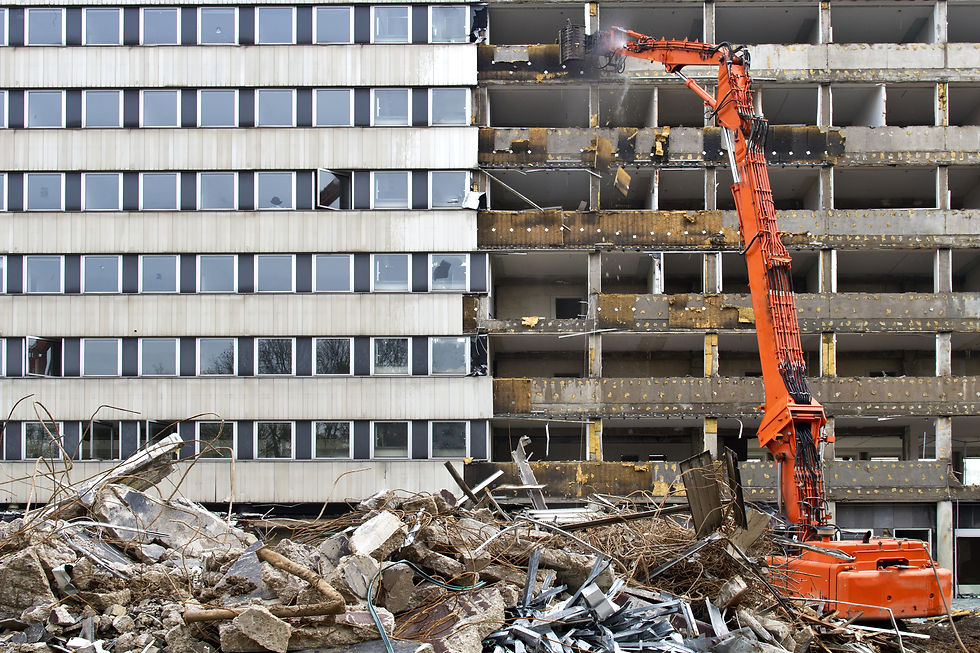
The honest answer is that hiring a demolition contractor involves more than comparing prices. Demolition projects involve permits, utilities, heavy equipment, disposal requirements, safety concerns, and potential liability issues. A low bid can become expensive if important details are overlooked.
Whether you're a homeowner preparing for new construction, a business owner redeveloping property, or an investor clearing a site, understanding the demolition process can help you choose a qualified contractor and avoid costly surprises.
How Do You Hire a Demolition Contractor?
To hire a demolition contractor, verify licensing requirements, review insurance documentation, confirm experience with similar projects, understand who handles permits and utility disconnects, and obtain a detailed written proposal.
The best demolition contractors provide clear communication, explain what is included in the scope of work, identify potential challenges early, and help property owners understand the entire process rather than simply providing a price.
Why Demolition Is More Complex Than Most People Realize
From the outside, demolition can look simple.
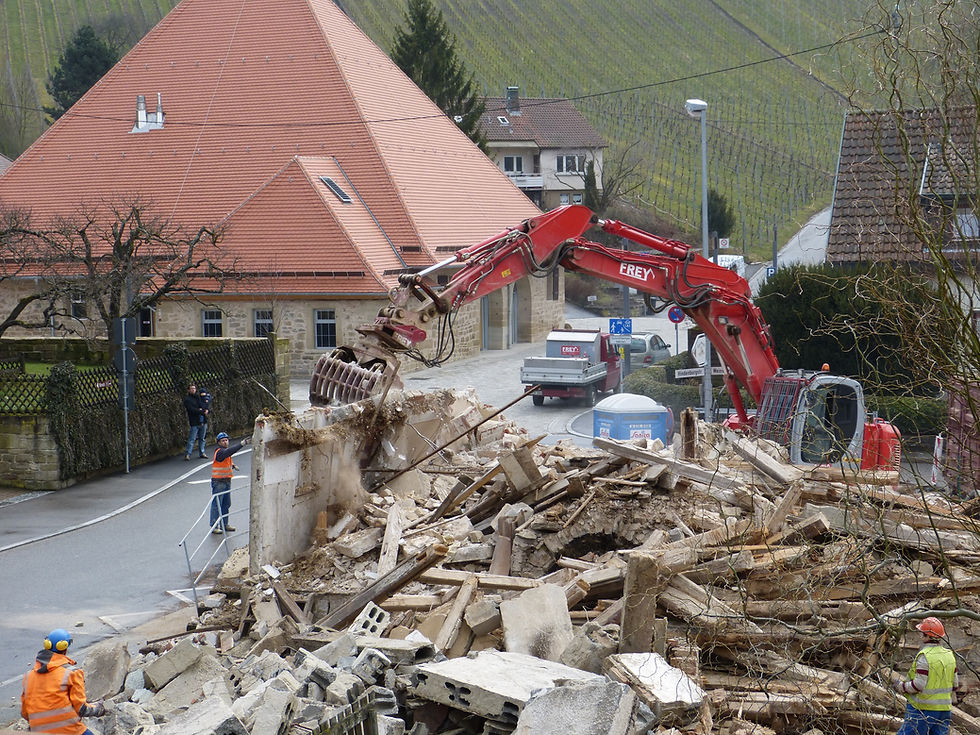
An excavator arrives.
The structure comes down.
The debris gets hauled away.
The reality is usually much more involved.
Behind every successful demolition project are considerations such as:
Permit approvals
Utility disconnections
Site access
Debris disposal
Environmental requirements
Safety planning
Equipment coordination
Neighbor concerns
The visible part of demolition is often the easiest part.
The planning is where experienced contractors earn their value.
Start by Defining the Scope of Work
Before contacting contractors, determine exactly what needs to happen.
For example:
Is only the structure being removed?
Does the foundation need removal?
Are sidewalks included?
Will driveways remain?
Are underground tanks present?
Does site grading need to be completed afterward?
Small scope differences can create major pricing differences.
A complete site-clearing project is very different from knocking down a structure and leaving the slab in place.
The clearer your expectations, the more accurate contractor proposals are likely to be.
Verify Licensing Requirements
Demolition licensing requirements vary by state, county, and municipality.
Some jurisdictions require:
Demolition contractor licenses
General contractor licenses
Specialty permits
Environmental approvals
Local registrations
Others may have different requirements based on project size or structure type.
Before hiring a contractor, verify requirements through your local permitting authority.
The U.S. Small Business Administration provides general business and contracting resources through https://www.sba.gov/.
Never assume licensing requirements are the same from one jurisdiction to another.
Ask About Similar Project Experience
Not all demolition projects are alike.
A contractor experienced in residential tear-downs may not regularly handle commercial demolitions.
Likewise, a contractor specializing in industrial facilities may not be the best fit for a small residential structure.
Ask questions such as:
Have you completed similar projects?
How often do you perform this type of demolition?
What challenges should I expect?
What equipment will be used?
Experience often helps contractors identify problems before they become expensive.
Explore more in our blog: How to Get Demolition Jobs: Bids, Brokers, and Direct Work
Understand Utility Disconnect Requirements
One of the most important parts of demolition occurs before demolition begins.
Utilities must generally be addressed properly.
Depending on the property, this may involve:
Electric service
Gas service
Water service
Sewer connections
Telecommunications lines
Cable systems
Demolition contractors and utility providers often work together during this phase.
Property owners should clearly understand who is responsible for coordinating each step.
Contractors may also utilize utility location resources such as Call 811 Before You Dig when excavation is involved during demolition and site clearing.
What's Included in the Price?
Many misunderstandings occur because property owners compare prices without comparing scopes.
A proposal should clearly explain what is included.
Potential items include:
Structure demolition
Foundation removal
Debris hauling
Disposal fees
Site grading
Tree removal
Asphalt removal
Concrete removal
Backfilling
One proposal may appear cheaper simply because certain services are excluded.
Review details carefully.
Debris Disposal Matters
Demolition projects create material that needs to go somewhere.
Depending on the building, debris may include:
Concrete
Wood
Roofing materials
Metals
Drywall
Asphalt
Brick
Masonry
Ask contractors how disposal will be handled.
Many experienced demolition companies recycle materials whenever practical.
Understanding disposal methods helps establish expectations regarding timeline and cost.
Site Access Can Affect Everything
Property owners often focus entirely on the structure itself.
Contractors frequently focus on access.
Questions may include:
Can equipment reach the building?
Are fences involved?
Are power lines nearby?
Is there limited working room?
Will roads require protection?
Restricted access can significantly affect production and project planning.
A contractor who visits the site before providing a proposal generally has a better opportunity to identify these challenges.

What Most People Get Wrong
The biggest mistake property owners make is selecting a demolition contractor based solely on price.
Experienced property owners know demolition is largely a risk-management project.
A contractor who understands permits, utilities, equipment operation, safety procedures, disposal requirements, and site restoration may provide far more value than a contractor offering the lowest number.
The cheapest bid is not always the least expensive outcome.
When things go wrong on demolition projects, the costs can exceed the original price difference very quickly.
Ask About Site Restoration
Many people assume demolition automatically includes a finished building pad.
That's not always the case.
Contractors may provide:
Rough grading
Final grading
Fill placement
Compaction
Topsoil installation
Some proposals include these services.
Others stop after removal and debris hauling.
Clarify site conditions expected upon completion.
This can prevent misunderstandings later.
Safety Should Be Part of the Conversation
Demolition work involves significant hazards.
Common risks include:
Falling debris
Utility hazards
Heavy equipment operations
Dust generation
Traffic exposure
Structural instability
The Occupational Safety and Health Administration provides demolition safety guidance through OSHA.
Property owners don't need to become demolition experts, but asking contractors about safety planning can provide useful insight into how they operate.
Timeline Expectations
Many clients ask:
"How long will demolition take?"
The answer depends on:
Project size
Permitting
Utility coordination
Weather
Disposal logistics
Site conditions
The actual demolition may take only a short time compared to planning, permitting, and utility work.
Many first-time property owners underestimate these preconstruction activities.
Questions to Ask Before Hiring
Before signing a contract, consider asking:
Who obtains permits?
Who schedules utility disconnects?
Is debris hauling included?
Is site grading included?
Are disposal fees included?
What insurance documentation can you provide?
What is the estimated project timeline?
Have you completed similar projects?
Clear answers often indicate a well-prepared contractor.
Insurance and Licensing Reality Check
Insurance and licensing are two separate issues.
A contractor may be licensed but still have insurance requirements that deserve review.
Likewise, insurance does not replace licensing obligations.
Licensing requirements vary by state, municipality, and project type. Property owners should verify local requirements directly with the applicable permitting authority.
From an insurance standpoint, demolition contractors commonly evaluate coverages such as:
Workers' compensation where required
Contractor's equipment insurance
Umbrella liability insurance
Pollution-related coverage where applicable
Many professional demolition contractors can provide Certificates of Insurance (COIs) when requested.
Communication Often Predicts Project Success
One characteristic shared by many successful demolition projects is communication.
Good contractors explain:
What will happen
When it will happen
What could affect the timeline
What responsibilities belong to the owner
What work is included
Most disputes occur when expectations were never clearly discussed.
The best demolition contractors spend time educating clients before work begins.
Preparing for What Comes Next
Demolition is usually the beginning of a project rather than the end.
The site may eventually become:
A new home
A commercial building
Additional parking
Industrial development
A utility installation
A site-development project
Thinking about the next phase early can help ensure demolition and site preparation align with future goals.
Experienced contractors frequently discuss those considerations during planning.
Frequently Asked Questions
How do I choose a demolition contractor?
Look beyond price. Verify licensing requirements, review insurance documentation, confirm experience with similar projects, and obtain a clear written scope of work.
Does demolition include debris removal?
Sometimes, but not always. Property owners should verify whether hauling, disposal, recycling, and cleanup are included in the proposal.
Who is responsible for utility disconnects?
Responsibilities vary by project and jurisdiction. Clarify who coordinates utility disconnections before work begins.
Do demolition contractors need insurance?
Most professional demolition contractors carry insurance, although requirements vary depending on operations, contracts, and local regulations.
How long does a demolition project take?
Timeframes vary based on permitting, utilities, weather, structure size, disposal requirements, and site conditions.
Ready to Protect Your Demolition Business?
Whether you're performing residential tear-downs, commercial demolition, interior demolition, site clearing, or full redevelopment projects, the right insurance program can be an important part of protecting your business.
Excavating Insurance Partners specializes in helping demolition, excavation, site work, land clearing, septic, drilling, utility, and heavy equipment contractors navigate insurance challenges across the United States.
When you're ready to review your current coverage, compare options, or request a free, no-obligation quote, visit Excavating Insurance Partners Quote Request and speak with a team that understands the realities of demolition and dirt-world contracting.


Comments