
Heavy Equipment Rental Insurance: Coverage for Rental Yards
Updated: Sep 1
Running a heavy equipment rental yard comes with risks that go far beyond normal business operations. Every time a skid steer, excavator, dozer, or compact track loader leaves your yard, you're trusting that it will return in good condition. Unfortunately, accidents, theft, equipment damage, and liability claims can happen even when you have strong rental agreements in place.
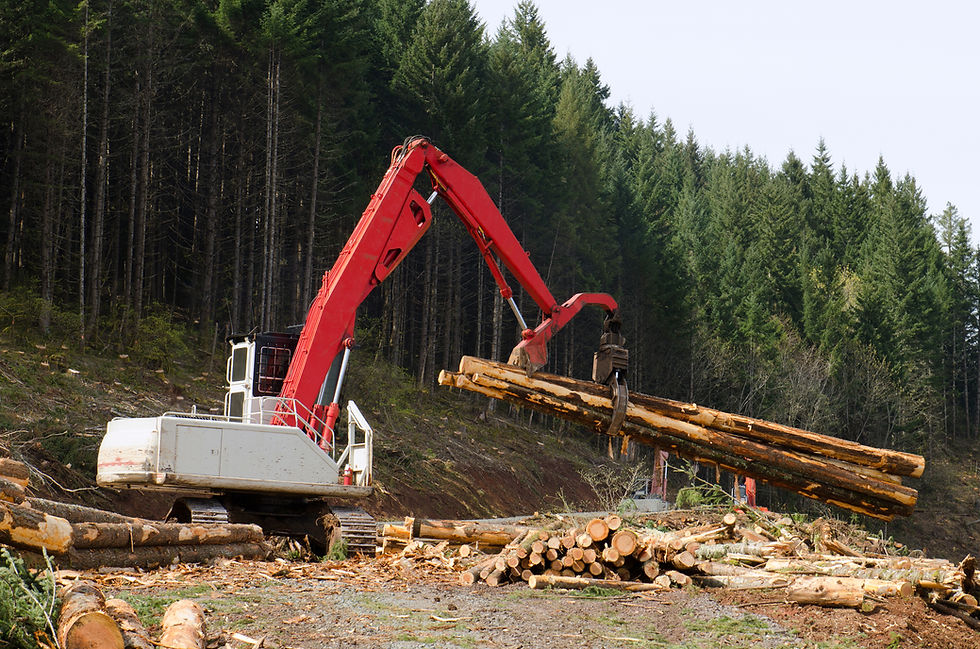
That's why heavy equipment rental insurance is an important part of protecting your business. Whether you rent equipment to excavation contractors, utility crews, landscapers, or municipalities, having the right insurance can help reduce financial risk and keep your operation moving when unexpected problems arise.
What Is Heavy Equipment Rental Insurance?
Heavy equipment rental insurance is a combination of business insurance policies designed to protect companies that own and rent construction equipment.
Rather than being a single policy, it usually includes several different types of coverage that work together. Depending on your business, these policies may help protect your rental fleet, buildings, employees, customers, and company vehicles.
Rental yards often serve contractors who work around buried utilities, excavation sites, demolition projects, road construction, and land clearing operations. These jobs expose expensive equipment to many hazards that standard business insurance may not fully address.
What Does Heavy Equipment Rental Insurance Cover?
Heavy equipment rental insurance typically includes coverage that may protect:
Rental equipment against certain covered losses
Customer injury or property damage claims
Business-owned trucks and delivery vehicles
Employees injured on the job
Damage to buildings and business property
Pollution-related incidents, depending on the policy
Equipment transported between locations
The exact protection depends on your policy language, equipment, operations, and endorsements. A licensed insurance agent can help determine which coverages fit your rental business.
Why Rental Yards Face Unique Risks
Owning construction equipment is expensive. Renting it to customers creates additional exposures that equipment owners who only use machinery on their own jobs may never face.
Some common risks include:
Equipment theft
Vandalism
Fire
Storm damage
Customer misuse
Transportation accidents
Employee injuries
Damage while loading or unloading
Third-party property damage
Contract disputes
Even well-maintained equipment can be damaged by inexperienced operators or harsh jobsite conditions.
Rental yards also have customers regularly visiting their property, increasing the chance of slip-and-fall accidents or vehicle incidents.
General Liability Insurance
General liability insurance protects your business if someone claims your company caused bodily injury or property damage.
For rental yards, this may include situations such as:
A customer slips in the rental office.
Equipment loading damages another vehicle.
A visitor is injured in your yard.
Your employee accidentally damages a customer's property.
General liability often helps with legal defense costs as well as covered settlements or judgments, depending on the policy.
Many commercial customers and general contractors also require proof of this coverage before doing business. They may ask for a Certificate of Insurance (COI) before signing a rental agreement.
Inland Marine Insurance for Rental Equipment
Despite its name, an inland marine policy has nothing to do with boats. It is designed to cover equipment while it moves between job sites, storage yards, or customer locations.
For rental businesses, inland marine insurance, sometimes called an equipment floater, is often one of the most important policies.
It may help cover:
Excavators
Dozers
Skid steers
Compact track loaders
Mini excavators
Backhoes
Attachments
Hydraulic breakers
Grapples
Trenchers
Compactors
Coverage depends on the cause of loss and policy terms. Theft, fire, vandalism, and certain accidental damage may be covered, while normal wear and tear is generally excluded.
Commercial Property Insurance
Commercial property insurance helps protect your physical business location.
This may include:
Office buildings
Repair shops
Warehouses
Parts inventory
Computers
Tools
Fencing
Security systems
If a covered event damages your property, this insurance may help pay for repairs or replacement according to the policy.
Commercial Auto Insurance
Most rental yards use trucks to deliver and pick up equipment.
Commercial auto insurance covers business-owned vehicles that transport machinery to customer jobsites.
Depending on your policy, it may include protection for:
Collision damage
Liability claims
Medical expenses
Uninsured motorists
Physical damage to company vehicles
Personal auto insurance usually does not provide adequate protection for business vehicle operations.
Workers' Compensation Insurance
Workers' compensation insurance provides benefits when employees suffer work-related injuries or illnesses.
Rental yard employees often:
Load equipment
Repair machinery
Perform inspections
Operate forklifts
Deliver equipment
Handle heavy attachments
These activities involve lifting injuries, falls, struck-by hazards, and equipment accidents.
Workers' compensation requirements vary by state, making it important to understand your state's rules.
Pollution Liability Insurance
Rental equipment may be used around fuel, hydraulic fluids, septic systems, pipelines, or environmentally sensitive areas.
Pollution liability insurance may help protect your business if certain pollution-related incidents lead to covered claims.
For example, hydraulic fluid leaks or fuel spills could create expensive cleanup obligations depending on the circumstances.
This coverage is especially valuable for businesses serving excavation contractors, utility contractors, and site development companies.
Equipment Breakdown Coverage
Modern heavy equipment relies on sophisticated electronics, hydraulic systems, GPS technology, and computerized controls.
Equipment breakdown coverage may help with certain mechanical or electrical failures that standard property policies often exclude.
Coverage varies significantly between insurers, making policy review essential.
Cyber Insurance
Many rental yards now rely on:
Online reservations
Electronic contracts
Digital payment systems
Customer databases
Fleet management software
Cyber insurance may help respond to certain data breaches, ransomware attacks, or network security incidents, depending on the policy.
Even small businesses have become targets for cybercriminals.

Rental Agreements and Insurance
Insurance works best alongside strong rental contracts.
Your rental agreement should clearly explain:
Customer responsibilities
Equipment inspection procedures
Return conditions
Maintenance expectations
Damage reporting requirements
Insurance requirements
Deductible obligations
Well-written contracts can reduce misunderstandings and strengthen your overall risk management program.
Risk Management Tips for Rental Yards
Insurance is only one piece of protecting your business.
Other good practices include:
Perform documented inspections before and after every rental.
Train employees on safe loading procedures.
Verify operator qualifications when appropriate.
Maintain detailed maintenance records.
Install GPS tracking where practical.
Use security cameras and fencing.
Store equipment securely after business hours.
Require signed rental agreements.
Keep accurate equipment inventories.
Simple procedures can prevent many common losses.
Factors That Affect Heavy Equipment Rental Insurance Costs
There is no single price for heavy equipment rental insurance.
Premiums vary based on factors such as:
Total equipment value
Types of machines rented
Business location
Claims history
Annual revenue
Number of employees
Delivery operations
Fleet size
Deductible selections
Safety programs
For example, a rental company with a large fleet of excavators and dozers generally faces different risks than a business renting compact landscaping equipment.
Working with an agent who understands construction equipment can help identify coverage options that match your operation without paying for unnecessary protection.
Why Specialized Insurance Matters
Rental businesses face different exposures than contractors who only use equipment they own.
Your customers may operate machinery on jobs involving trenching, demolition, grading, utility installation, or road construction. Those environments create unique risks that require insurance designed for equipment-intensive operations.
A policy built for a retail business or office may leave important coverage gaps for equipment rental companies.
An experienced insurance professional can review your contracts, fleet, transportation operations, and business goals to recommend policies that fit your operation.
For additional equipment safety guidance, the Occupational Safety and Health Administration (OSHA) provides free resources for employers and equipment operators: https://www.osha.gov.
Businesses involved in excavation work should also review underground utility damage prevention best practices through Common Ground Alliance: https://commongroundalliance.com.
Frequently Asked Questions
Do rental customers need their own insurance?
Many rental companies require customers to carry insurance before renting equipment. The specific requirements depend on your rental agreement and business policies.
Does heavy equipment rental insurance cover theft?
Many policies may cover theft under certain circumstances, depending on the cause of loss, policy terms, security measures, and applicable exclusions.
Is inland marine insurance the same as general liability?
No. General liability primarily addresses third-party bodily injury and property damage claims. Inland marine insurance typically protects mobile equipment while it is transported or located away from your primary premises.
Does commercial auto insurance cover equipment?
Commercial auto insurance generally covers the business vehicles themselves. Equipment being transported may require separate inland marine or equipment coverage.
How often should a rental yard review its insurance?
Most businesses should review their insurance annually or whenever they add expensive equipment, expand locations, change operations, or begin serving new industries.
Protect Your Rental Yard with the Right Coverage
Heavy equipment rental businesses operate in a fast-moving industry where every machine represents a significant investment. A well-designed insurance program can help protect your equipment, employees, customers, and long-term business goals while reducing the financial impact of unexpected losses.
Because every rental operation is different, coverage should be tailored to your equipment, contracts, and day-to-day operations. Speak with a licensed insurance agent to review your risks and determine which policies are appropriate for your business.
If you own or operate a heavy equipment rental yard, Excavating Insurance Partners can help you evaluate your risks and build an insurance program designed for your operation. Contact us today to request a free, no-obligation quote from a licensed specialist who understands the construction and equipment rental industry.


Comments