
How to Find an Insurance Agent Who Specializes in Excavation and Grading Contractors
If you've ever had to explain what a spoil pile is, why an 811 locate matters, or why a skid steer isn't the same exposure as a dump truck, you've probably wondered whether your insurance agent truly understands excavation work. That's a fair question. Excavation and grading contractors face unique risks, and not every insurance agent is familiar with them.
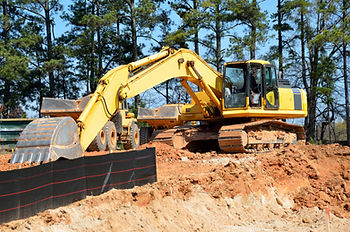
The good news is that finding an insurance agent who specializes in excavation and grading contractors is possible. The key is knowing what questions to ask and what qualifications matter.
A specialized agent doesn't just sell insurance. They understand site work operations, contract requirements, equipment schedules, utility exposures, and the day-to-day realities of construction projects.
The Short Answer
The best way to find an insurance agent who specializes in excavation and grading contractors is to look for someone who regularly works with excavation, utility, land clearing, grading, demolition, and site development companies.
They should understand construction contracts, certificates of insurance (COIs), additional insured requirements, heavy equipment schedules, and the risks associated with underground utility work. An agent doesn't need to operate equipment themselves, but they should be able to speak your language and understand how excavation projects actually work.
Why Specialization Matters
Construction insurance is not one-size-fits-all.
An accountant's office, retail store, and excavation company may all buy general liability insurance, but their insurance needs are very different.
Excavation contractors often deal with:
Underground utility exposure
Trenching operations
Heavy equipment fleets
Commercial auto fleets
General contractor requirements
Additional insured endorsements
Municipal projects
Environmental exposures
Subcontractor management
An agent unfamiliar with these risks may miss important details that affect coverage, contract compliance, or the quoting process.
Signs an Agent Understands Excavation Contractors
One of the easiest ways to evaluate an insurance agent is to listen carefully to the questions they ask.
A specialist will typically want to know:
Do you perform excavation, grading, utility work, or site preparation?
Do you own or lease equipment?
What types of projects do you bid?
Do you perform underground utility work?
Do you use subcontractors?
What states do you operate in?
What percentage of work is residential versus commercial?
Do you haul your own equipment?
These questions help identify exposures that directly affect underwriting and coverage recommendations.
A generalist who rarely works with contractors may spend far more time discussing basic business information while overlooking operational details that matter.
Understanding the Insurance Coverages Excavation Contractors Need
A qualified agent should be comfortable discussing the most common excavation-related coverages.
General Liability Insurance
General liability insurance helps protect against covered third-party bodily injury and property damage claims.
For excavation contractors, claims may involve:
Property damage
Utility strikes
Jobsite incidents
Certain completed operations claims
An experienced agent should understand how these exposures affect underwriting.
Commercial Auto Insurance
Excavation companies frequently operate:
Dump trucks
Service trucks
Pickup trucks
Water trucks
Lowboy trailers
Commercial auto insurance often becomes a major component of the insurance program.
An agent should understand how vehicle usage affects risk and contract requirements.
Inland Marine Insurance
Inland marine insurance commonly protects mobile equipment.
Examples include:
Excavators
Dozers
Skid steers
Compact track loaders
Attachments
Agents who regularly work with contractors generally understand equipment scheduling requirements and valuation concerns.
Workers' Compensation Insurance
Workers' compensation insurance helps provide benefits for qualifying workplace injuries.
Construction classifications can significantly affect underwriting.
Questions involving workers' compensation should also be reviewed with specialists such as Total Work Comp when appropriate.
Umbrella Liability Insurance
Larger projects may require umbrella liability coverage to provide additional liability limits above certain underlying policies.
Experienced excavation insurance agents understand how these requirements often appear in municipal, utility, and commercial contracts.
Questions to Ask Before Choosing an Agent
A contractor interviewing an insurance agent should treat the process like hiring any other professional.
Ask questions such as:
How many excavation or grading contractors do you work with?
The goal is not to find the largest agency.
The goal is to find someone who regularly handles businesses similar to yours.
Do you understand utility excavation exposures?
Underground utility work creates unique risks.
An agent should understand the insurance implications of utility strikes and excavation operations.
Can you help review insurance requirements in contracts?
Many excavation contractors need assistance understanding:
Additional insured requests
Waivers of subrogation
Primary and noncontributory wording
Contractual liability provisions
Specialized agents often review these requirements regularly.
Do you assist with certificates of insurance?
COIs are a routine part of construction.
Contractors frequently need updated certificates to satisfy GCs, developers, municipalities, and project owners.
How familiar are you with heavy equipment schedules?
Equipment valuation errors can create challenges during a loss.
An agent should understand how contractors acquire, sell, and replace equipment throughout the year.

What Most People Get Wrong
Many contractors assume the best insurance agent is the one who finds the lowest price.
Price matters, but expertise often matters more. A policy that doesn't address your operations properly can become a much larger problem than a policy that costs slightly less.
Excavation work involves unique risks, and understanding those risks is one of the biggest reasons to work with a specialist.
The goal should be finding an agent who understands your business, not simply one who provides a quote.
Red Flags to Watch For
Not every agent is the right fit for an excavation company.
Warning signs may include:
Limited understanding of excavation operations
Confusion about equipment coverage
Little experience with construction contracts
Difficulty discussing utility work exposures
Unfamiliarity with certificates of insurance
Minimal knowledge of subcontractor requirements
These issues do not necessarily mean the agent is unqualified. They may simply indicate that their expertise is concentrated in other industries.
Why Contract Knowledge Matters
Many insurance-related problems begin with contracts rather than claims.
Construction agreements often contain insurance requirements that contractors must meet before work begins.
Examples include:
Additional insured requirements
Waiver of subrogation requirements
Elevated liability limits
Railroad protective requirements
Contractor-controlled insurance programs
A knowledgeable excavation insurance agent should be familiar with these concepts and able to identify issues that deserve further review.
The Value of Industry Experience
Agents who regularly work with excavation and grading contractors often understand challenges such as:
Utility locating requirements
811 compliance procedures
Traffic control risks
Soil movement exposures
Trenching operations
Equipment transportation
Project owner insurance requirements
That knowledge can make conversations more productive because less time is spent explaining basic operational details. For excavation safety guidance, contractors can review OSHA excavation resources.
When Should You Consider Finding a New Agent?
Sometimes contractors outgrow their current insurance relationship.
Possible reasons include:
Company growth
More complex projects
New equipment acquisitions
Entry into public bidding
Utility or infrastructure work
Multi-state operations
If you're considering a change, a good companion article is What Should an Excavation Contractor Ask Before Switching Insurance Agents? because it outlines practical questions that can help contractors compare advisors more effectively.
How Early Should You Start Looking?
Don't wait until the week before renewal.
Construction insurance often requires underwriting review, contract analysis, equipment updates, payroll verification, and claims review.
Contractors planning ahead may find our guide Excavation Insurance Renewal: When to Start Shopping and How to Compare Quotes helpful because it explains how timing can affect the renewal process and why early preparation often creates more options.
Starting early allows contractors to identify gaps, update schedules, and gather documents before deadlines become urgent.
Documents a Specialized Agent May Request
To understand your operation properly, an experienced agent may request:
Current policies
Loss runs
Equipment schedules
Vehicle schedules
Payroll information
Revenue estimates
Subcontractor details
Sample contracts
Safety programs
Providing complete information helps ensure the agent understands your business accurately.
Insurance and Licensing Reality Check
An insurance agent can help with coverage discussions, but they do not replace licensing boards, attorneys, accountants, or regulatory agencies.
Licensing, tax obligations, environmental requirements, and contracting rules vary by state and project type. Contractors should verify requirements with the appropriate authorities before making business decisions.
For utility damage prevention education, the Common Ground Alliance offers useful industry resources common ground alliance.
Both organizations provide information that can help support safer excavation operations.
Frequently Asked Questions
How do I know if an insurance agent specializes in excavation contractors?
Ask how many excavation, grading, utility, or site-work contractors they currently insure and what types of projects those clients perform.
Should my insurance agent understand construction contracts?
Yes. Excavation contracts often contain insurance requirements that may affect coverage and compliance.
Can an agent help with certificates of insurance?
Most construction-focused agents regularly assist contractors with certificates of insurance and contract-related documentation.
Is it worth changing agents if my company is growing?
It may be, especially if your current advisor lacks experience with larger projects, public work, utility contracts, or heavy equipment operations.
Does a specialist insurance agent cost more?
Not necessarily. The value often comes from industry knowledge and guidance rather than the cost of the policy itself.
Final Thoughts
Finding an insurance agent who specializes in excavation and grading contractors is about more than getting a quote. The right advisor should understand site work operations, heavy equipment, utility risks, contract requirements, and the realities of managing construction projects.
If you're looking for an insurance review or would like to discuss coverage options for your excavation, grading, site work, or utility contracting business, Excavating Insurance Partners offers free, no-obligation quotes and industry-focused guidance designed specifically for contractors.


Comments