
Excavation Contractor Insurance in Massachusetts: Requirements and Costs
Updated: Sep 1
If you're running an excavation or site-work company in Massachusetts, you already know the job doesn’t stop at digging. Between 811 locates, tight urban job sites, and strict state rules, one mistake can lead to serious financial trouble. The big question most contractors have is: what insurance do I actually need—and what will it cost me?
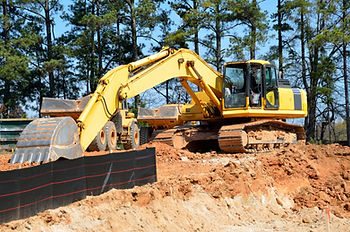
This guide breaks down excavation contractor insurance in Massachusetts: requirements and costs, so you can stay compliant, protect your business, and keep jobs moving.
What Insurance Does an Excavation Contractor Need in Massachusetts?
In Massachusetts, excavation contractors are typically required—or strongly expected—to carry several key types of insurance, especially when working with general contractors (GCs), municipalities, or commercial clients.
At a minimum, most excavation operations should carry:
General liability insurance
Workers’ compensation insurance (required if you have employees)
Commercial auto insurance
Equipment coverage (inland marine policy)
Additional coverages like pollution liability or umbrella insurance are often required on larger jobs or public projects.
Quick Answer: Requirements and Costs
Requirements: Massachusetts excavation contractors are generally required to carry workers’ compensation insurance if they have employees. Most GCs and project owners will also require general liability insurance and proof of coverage through a certificate of insurance (COI). Commercial auto coverage is required for vehicles used on public roads.
Costs :Insurance costs vary widely depending on payroll, equipment value, job types, and claims history. A small operation may pay a few thousand dollars annually for basic liability, while larger contractors with multiple crews, trucks, and machines can see significantly higher premiums.
Why Insurance Matters More in Massachusetts
Massachusetts is known for dense infrastructure, older utilities, and strict compliance requirements. That means excavation contractors face higher risk when it comes to:
Buried utility strikes
Property damage in tight job sites
Pedestrian exposure in urban areas
Environmental regulations
Before you even put a bucket in the ground, you're expected to follow 811 locate requirements. You can learn more about safe digging laws at Massachusetts 811 here: https://www.mass811.com/
Even when you follow procedures, accidents can still happen—and that’s where insurance becomes your safety net.

Core Coverages Explained
Let’s walk through the main policies Massachusetts excavation contractors rely on—and why each one matters.
General liability insurance covers third-party bodily injury and property damage.
Example:
You hit a water line despite a proper locate
Your work causes damage to a neighboring structure
A pedestrian is injured near your job site
This is usually the first policy a GC asks for when issuing a COI.
For many small contractors, annual premiums may start in the low thousands, but vary based on revenue, job type, and risk level.
Workers’ comp covers employee injuries and lost wages if someone gets hurt on the job.
Massachusetts law requires it for businesses with employees—even if you only have one.
Example:
A laborer is injured in a trench collapse
A crew member gets hurt loading equipment
This coverage helps pay medical bills and protects your business from lawsuits related to workplace injuries.
You can confirm state requirements through the Massachusetts Department of Industrial Accidents: https://www.mass.gov/orgs/department-of-industrial-accidents
Commercial Auto Insurance
If your trucks, dump trailers, or service vehicles are on public roads, you need commercial auto insurance.
Example:
Your dump truck rear-ends a vehicle
A crew member causes an accident while hauling equipment
Personal auto policies typically won’t cover business use—especially for heavy vehicles or hauling.
Inland Marine (Equipment Floater)
An inland marine policy, also called an equipment floater, covers your equipment while it moves between job sites or sits in the field.
Example:
Your skid steer is stolen overnight
A dozer is damaged during transport
Equipment tips over on uneven ground
For excavation contractors, this coverage is critical because your machines are your biggest investment.
Pollution Liability Insurance
Excavation work comes with environmental risk—especially around fuel, hydraulic fluids, and soil contamination.
Example:
A fuel spill contaminates soil
You hit a line and release hazardous material
Pollution liability insurance helps cover cleanup costs, which can be significant—even on smaller incidents.
Umbrella Insurance
Umbrella insurance provides extra liability protection above your other policies.
Example:
A major utility strike causes widespread damage
A severe injury leads to a large lawsuit
This is often required for larger commercial jobs or municipal contracts.
Certificates of Insurance (COIs) and Contract Requirements
In Massachusetts, you’ll regularly be asked to provide a certificate of insurance (COI). This document shows proof of coverage and your policy limits.
GCs and project owners often require:
Specific liability limits
Additional insured endorsements
Waivers of subrogation (meaning your insurer won’t pursue them for damages)
If your coverage doesn’t meet contract requirements, you may lose the job—or delay the project.
Factors That Affect Insurance Costs
There’s no one-size-fits-all price for excavation contractor insurance in Massachusetts. Your premium depends on several key factors:
Business Size
Payroll
Number of employees
Annual revenue
Type of Work
Residential vs. commercial
Utility work vs. grading
High-risk operations like trenching or demolition
Equipment Value
Total replacement cost of machines
Types of equipment owned
Claims History
Past accidents or insurance claims
Safety record
Location
Urban areas like Boston tend to have higher risk exposure
Because every operation is different, premiums can vary significantly. The best way to understand your cost is through a custom quote.
Real-World Risks Massachusetts Contractors Face
If you’ve worked in Massachusetts, you know these situations are common:
Tight dig zones near existing utilities
Working close to sidewalks or traffic
Older infrastructure with incomplete records
Aggressive project timelines from GCs
Here are a few scenarios where insurance matters:
Utility Strike: Even after an 811 locate, hitting a line can lead to repair costs and liability claims
Equipment Theft: Machines left on job sites overnight are vulnerable
Third-Party Injury: A bystander trips near your trench
Property Damage: Excavation causes foundation issues next door
Each of these can lead to serious financial exposure without proper coverage.
Common Insurance Mistakes to Avoid
Massachusetts contractors often run into trouble by:
Going with the cheapest policy instead of the right one
Skipping pollution liability coverage
Not updating equipment schedules as they grow
Using personal auto insurance for business vehicles
Ignoring contract-specific insurance requirements
Insurance isn’t just about checking a box—it’s about making sure you’re covered when something goes wrong.
How to Choose the Right Insurance Partner
Not all agents understand excavation risks.
You want to work with someone who knows:
Utility locate requirements (811)
Trenching and shoring risks
Equipment values and coverage gaps
Contract requirements from GCs
A specialized agent can help you avoid costly gaps and make sure your coverage fits your real-world operation.
FAQ: Excavation Contractor Insurance in Massachusetts
1. Is insurance required to start an excavation business in Massachusetts?
Yes, workers’ compensation is required if you have employees, and commercial auto is required for vehicles. Most jobs also require general liability insurance.
2. How much does excavation contractor insurance cost in Massachusetts?
Costs vary widely based on payroll, equipment value, and risk level. Small operators may pay a few thousand annually, while larger businesses pay significantly more.
3. Do I need pollution liability insurance?
It’s not always required, but highly recommended—especially if you work near utilities, fuel lines, or sensitive soil conditions.
4. What is the most important coverage for excavation contractors?
General liability and inland marine (equipment coverage) are essential, along with workers’ compensation if you have employees.
5. Will my policy cover utility strikes?
It may, depending on your policy and circumstances. Always review coverage with your agent to understand exclusions and limits.
Get a Quote for Your Massachusetts Excavation Business
Running an excavation business in Massachusetts comes with real risk—but the right insurance can help you stay protected and win better jobs.
At Excavating Insurance Partners, we work specifically with excavation and site-work contractors across the U.S. We understand your equipment, your risks, and your contracts.
Call 317-942-0549 or visit https://www.excavatinginsurancepartners.com/ to request a free quote and make sure your coverage actually matches your operation.


Comments