
How Much Does Demolition Contractor Insurance Cost in Illinois?
If you own a demolition company in Illinois, insurance is likely one of your largest overhead expenses. Whether you're tearing down homes, performing selective interior demolition, removing commercial buildings, or handling industrial projects, clients, municipalities, and GCs often require proof of insurance before work can begin.
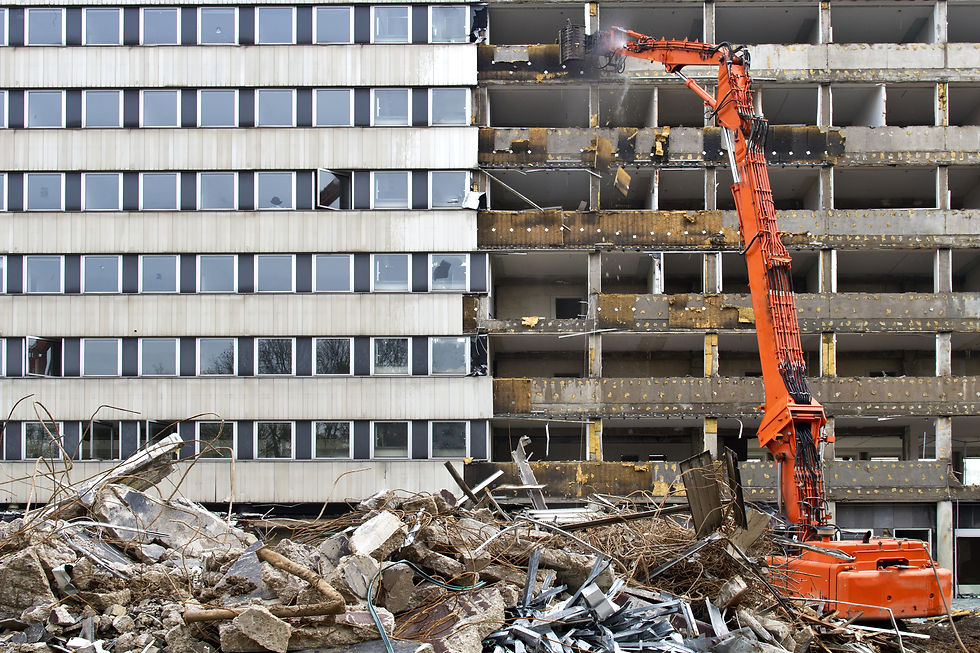
So, how much does demolition contractor insurance cost in Illinois? The answer depends on factors such as payroll, annual revenue, employee count, equipment values, claims history, and the type of demolition work you perform. Because demolition is considered a higher-risk construction trade, insurance costs are typically higher than many other contractor classifications.
How Much Does Demolition Contractor Insurance Cost in Illinois?
Most Illinois demolition contractors can generally expect annual insurance costs to fall within the following estimated ranges:
Solo demolition contractor: $7,000 to $20,000+ per year
Small demolition company (2-10 employees): $15,000 to $80,000+ per year
Mid-sized demolition contractor: $50,000 to $250,000+ per year
Large commercial or industrial demolition contractor: $250,000+ annually
These are estimated ranges only. Actual premiums vary based on business operations, insurance carrier guidelines, location, payroll, safety programs, and equipment schedules.
Why Demolition Insurance Costs More Than Many Other Trades
Insurance companies generally classify demolition as a higher-risk operation.
Demolition contractors often face exposures involving:
Structural collapse
Falling debris
Underground utility strikes
Heavy equipment accidents
Dust-related concerns
Traffic control operations
Property damage claims
Employee injury risks
Unlike contractors who install or build structures, demolition contractors remove them, creating additional liability and safety concerns.
As risk increases, insurance costs often increase as well.
What Insurance Policies Do Illinois Demolition Contractors Need?
Most demolition contractors carry multiple types of insurance coverage.
Common policies include:
General liability insurance
Workers' compensation insurance
Commercial auto insurance
Contractor's equipment insurance
Inland marine insurance
Umbrella insurance
The overall cost of demolition contractor insurance is typically the combined cost of these policies.
General Liability Insurance Cost
General liability insurance helps protect demolition contractors from claims involving third-party bodily injury and third-party property damage.
Estimated annual premium ranges:
Small demolition contractors: $3,000 to $10,000+
Medium-sized companies: $10,000 to $40,000+
Larger demolition operations: $40,000 to $100,000+
General liability insurance typically includes protection for:
Third-party bodily injury claims
Third-party property damage claims
Legal defense expenses
Certain personal and advertising injury claims
For example, if demolition activities allegedly damage a neighboring building, utility line, fence, or vehicle, general liability insurance may respond depending on the policy language and facts of the claim.
Coverage varies by policy.
Workers' Compensation Insurance Cost
Workers' compensation insurance helps provide benefits to employees who suffer work-related injuries or illnesses.
Demolition work often involves:
Hand demolition
Heavy equipment operation
Elevated work
Structural hazards
Debris removal
Dust exposure
Because of these risks, workers' compensation is frequently one of the most expensive coverages in a demolition contractor's insurance program.
Estimated annual premium ranges:
Small crews: $5,000 to $25,000+
Mid-sized contractors: $25,000 to $100,000+
Larger demolition businesses: $100,000 to $300,000+
Costs are commonly influenced by:
Payroll
Employee job classifications
Claims history
Safety programs
Experience modification factors
Requirements vary by state and may change over time. Contractors should verify requirements with state authorities and a licensed insurance professional.
For workplace safety information:
Commercial Auto Insurance Cost
Most demolition contractors operate trucks and trailers daily.
Common vehicles include:
Dump trucks
Roll-off trucks
Pickup trucks
Flatbed trucks
Service trucks
Equipment-hauling trailers
Estimated annual premiums often range from:
Small fleets: $2,500 to $12,000+
Larger fleets: $10,000 to $60,000+
Factors that commonly affect pricing include:
Driver records
Vehicle values
Fleet size
Radius of operation
Prior accidents
Vehicle usage
Commercial auto insurance generally applies to covered vehicle-related incidents and works alongside other contractor insurance policies.
Contractor's Equipment Insurance Cost
Heavy equipment is often one of the largest investments a demolition contractor owns.
Equipment commonly insured includes:
Excavators
Mini excavators
Dozers
Skid steers
Compact track loaders
Hydraulic breakers
Pulverizers
Shears
Grapples
Estimated annual premium ranges:
Smaller equipment schedules: $1,500 to $8,000+
Larger fleets: $8,000 to $50,000+
Contractor's equipment insurance may help protect against certain covered causes of loss such as:
Theft
Fire
Vandalism
Certain accidental damage
Coverage depends on policy language, exclusions, and endorsements.
Inland Marine Insurance Cost
Many demolition companies insure their equipment through inland marine insurance.
Despite its name, inland marine insurance commonly covers equipment that moves between jobsites.
Examples include:
Excavators
Attachments
Portable tools
GPS systems
Machine control technology
Premiums are largely influenced by:
Total equipment value
Equipment type
Geographic operation area
Claims history
Higher equipment values generally result in higher premiums.
Umbrella Insurance Cost
Umbrella insurance provides additional liability protection above certain underlying policies.
Estimated annual premium ranges:
$1 million umbrella policy: $1,000 to $5,000+
Higher limits: $5,000 to $25,000+
Many demolition contractors carry umbrella insurance because demolition claims can involve:
Significant property damage
Serious injuries
Commercial projects
Municipal contracts
High-value structures
Coverage varies based on the policy and underlying coverage requirements.

What Factors Affect Demolition Insurance Costs the Most?
Several business characteristics influence pricing.
Type of Demolition Work
Not all demolition projects carry the same risk.
Examples include:
Residential demolition
Interior demolition
Commercial demolition
Industrial demolition
Selective demolition
Commercial and industrial projects often present larger exposures than smaller residential jobs.
Annual Revenue
Revenue is often used as a measure of business activity.
Generally:
More projects
More employees
More equipment
create additional insurance exposure.
Payroll
Payroll significantly affects workers' compensation premiums.
As workforce size increases, insurance costs often increase as well.
Equipment Values
A demolition company operating multiple excavators and attachments usually requires more equipment coverage than a contractor who rents equipment as needed.
Equipment schedules can greatly impact overall insurance costs.
Claims History
Insurance companies closely review prior losses.
Contractors with strong safety records may receive more favorable underwriting consideration than contractors with multiple claims.
Why COIs Matter for Illinois Demolition Contractors
Most project owners and general contractors require a Certificate of Insurance (COI).
A COI provides proof that your insurance coverage exists.
Many contracts require:
General liability insurance
Workers' compensation insurance
Commercial auto insurance
Umbrella insurance
Without the required COIs, contractors may not qualify for certain projects.
Explore more in our blog: How Much Does Demolition Contractor Insurance Cost in Ohio?
How Illinois Demolition Contractors Can Help Control Costs
While no one can guarantee lower premiums, strong risk-management practices may help improve your insurance profile.
Examples include:
Employee safety training
Written safety programs
Driver screening procedures
Equipment maintenance programs
Jobsite inspections
Incident reporting procedures
Secure equipment storage
Insurance companies often view well-managed contractors more favorably than businesses with poor loss histories.
Why Annual Insurance Reviews Matter
Demolition contractors frequently change and grow over time.
You may:
Purchase new equipment
Add employees
Expand service areas
Increase revenue
Move into commercial work
Bid municipal projects
Annual reviews help ensure your insurance program reflects your current operations.
Additional contractor safety resources are available here:
FAQ
What is the average cost of demolition contractor insurance in Illinois?
Many demolition contractors spend approximately $7,000 to $250,000+ annually, depending on the size of the business, payroll, equipment values, and coverage requirements.
What is the most expensive insurance policy for demolition contractors?
Workers' compensation insurance is often among the largest expenses because demolition work involves significant employee injury exposures.
Does contractor's equipment insurance cover demolition equipment?
It may, depending on the policy. Contractor's equipment insurance typically helps protect covered equipment such as excavators, breakers, shears, and attachments from certain covered losses.
Why do commercial demolition contractors pay more for insurance?
Commercial demolition often involves larger projects, higher liability exposures, more employees, and more valuable equipment than smaller residential operations.
Can safety programs help reduce insurance costs?
Strong safety practices, documented training, and effective risk-management procedures may help improve a contractor's overall insurance profile.
Protect Your Illinois Demolition Business Before a Loss Happens
Demolition contractors face unique risks every day. From structural tear-downs and heavy equipment operations to transportation exposures and employee safety concerns, the right insurance program can play a critical role in protecting your business.
At Excavating Insurance Partners, we specialize in helping demolition contractors, excavation companies, site-work contractors, septic installers, land-clearing businesses, and heavy equipment operators understand their insurance options and identify potential coverage gaps.
Request a free, no-obligation quote today:
Speak with a licensed insurance professional about your specific demolition operations, payroll, equipment fleet, and insurance needs.

Comments