
Change Orders for Dirt Work: Getting Paid for Scope Creep
Every excavation contractor has been there. The original scope looked straightforward, but once the job starts, the owner, GC, engineer, or site conditions add extra work. More excavation, additional haul-off, unexpected rock, revised utilities, larger spoil piles, or changes to grading plans can quickly turn a profitable project into a money loser.
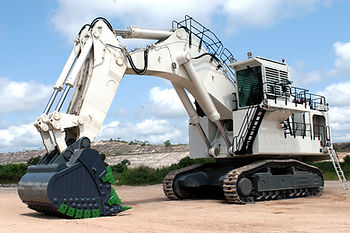
That's why change orders for dirt work are critical. A properly documented change order helps you get paid for scope creep, protects your margins, and creates a clear record of what changed, who requested it, and how much it will cost.
What Is a Change Order in Dirt Work?
A change order is a written agreement that modifies the original contract scope, price, timeline, or both.
For excavation and site-work contractors, change orders commonly occur when job conditions differ from the plans, the customer requests additional work, or unforeseen circumstances require extra labor, equipment, materials, or time.
The key purpose of a change order is simple: if the work changes, the contract should change too.
Without written approval, contractors often find themselves arguing over invoices long after the job is complete.
Why Scope Creep Is So Common in Excavation Projects
Unlike many trades, excavation contractors work below the surface. That means surprises are often discovered only after digging begins.
Common sources of scope creep include:
Unmarked underground obstacles
Unexpected rock excavation
Additional utility conflicts
Soil stabilization requirements
Extra hauling and disposal
Revised grading plans
Stormwater changes
Additional clearing or grubbing
Larger-than-expected spoil piles
Delays caused by other trades
Even when plans are accurate, project conditions can change rapidly.
Before digging, contractors should always follow proper utility locate procedures. The national 811 system provides important guidance on safe excavation practices and underground utility awareness: https://www.call811.com
Signs You're Performing Work Outside the Original Scope
Many contractors perform extra work before realizing it has become a change order situation.
Watch for these warning signs:
The owner requests additional excavation areas
The GC asks for work not shown on plans
Quantities exceed original estimates
Additional truckloads are required
Equipment remains on-site longer than planned
Crews perform tasks outside the contract documents
Engineering revisions alter project requirements
Material specifications change
If you're asking, "Is this extra work?" the answer is usually yes.
That is the moment to begin documenting the change.

Why Verbal Approvals Create Problems
Many excavation projects move quickly. Field decisions often happen from the cab of an excavator, over the phone, or on a jobsite walk-through.
Unfortunately, verbal approvals are one of the biggest reasons contractors struggle to collect payment.
Months later, you may hear:
"I didn't approve that."
"That was included."
"We thought that was part of your bid."
"There's no documentation."
Even good clients can forget details after a project is complete.
Written change orders help eliminate misunderstandings and provide a clear paper trail.
What Every Dirt Work Change Order Should Include
A good change order doesn't need to be complicated.
It should clearly identify:
Project Information
Include:
Project name
Project address
Contract number if applicable
Date of request
Description of Additional Work
Explain exactly what changed.
Examples:
Additional rock excavation
Relocation of utility trench
Additional grading beyond plan limits
Extra fill importation
Additional haul-off and disposal
Be specific. Avoid vague descriptions.
Equipment and Labor Requirements
Document:
Equipment needed
Crew size
Estimated production time
Additional trucking requirements
This provides support if pricing is questioned later.
Cost Impact
Clearly show:
Labor costs
Equipment costs
Material costs
Subcontractor costs
Disposal fees if applicable
Transparency often makes approvals easier.
Schedule Impact
If the change affects the completion date, document it.
Many disputes arise because contractors absorb delays without formally addressing them.
How to Price Change Orders for Excavation Work
One of the most effective ways to price change orders is by using the same estimating structure used in the original bid.
This typically includes:
Labor
Equipment
Materials
Trucking
Disposal
Overhead
Profit
Avoid guessing.
When possible, use documented production rates and machine rates.
For example:
Excavator hours
Dozer hours
Skid steer hours
Dump truck loads
Labor hours
The more objective your pricing appears, the more likely it is to be approved.
Document Everything Before and During the Work
Documentation is your best protection.
Useful records include:
Photos
Videos
Drone images
Daily reports
Jobsite notes
Emails
Text messages
Marked-up plans
Take photos before, during, and after the additional work.
Many contractors have successfully resolved payment disputes because they had clear photographic evidence showing the changed conditions.
The construction industry increasingly relies on detailed project documentation as a risk management tool. Resources from the Occupational Safety and Health Administration (OSHA) also emphasize maintaining records and documenting changing site conditions and work activities: https://www.osha.gov
Working With General Contractors on Change Orders
General contractors often face pressure from owners, lenders, architects, and engineers.
A change order that is easy to understand is more likely to move through the approval process efficiently.
Help GCs by providing:
Clear descriptions
Supporting photos
Cost breakdowns
Schedule impacts
Fast responses
Remember, the GC frequently needs to justify your request to someone else.
Good documentation helps them advocate for your company.
What to Do When Emergency Work Can't Wait
Sometimes waiting for a signed change order is not practical.
Examples include:
Utility emergencies
Storm damage
Safety hazards
Erosion control failures
Unstable excavations
In these situations:
Notify the responsible party immediately.
Record instructions received.
Document the conditions thoroughly.
Send written confirmation as soon as possible.
Submit the formal change order quickly.
Even when emergency work begins immediately, written follow-up remains important.
How Change Orders Affect Risk and Insurance
Change orders are more than a billing issue.
They can also affect project risk.
As work expands beyond the original scope, exposures may change.
Examples include:
Additional excavation depth
Larger underground utility exposure
More trucking operations
Additional equipment use
Expanded work areas
Many contractors carry general liability insurance, which typically helps protect against certain third-party property damage and bodily injury claims, depending on the policy terms and circumstances. Contractors may also carry commercial auto, workers' compensation, and equipment coverage as part of a broader risk management plan.
Because every project is different, it's wise to discuss significant scope changes with a licensed insurance professional when necessary.
Creating a Change Order System for Your Company
The best contractors don't handle change orders differently on every project.
They build a repeatable system.
A basic process might include:
Identify scope changes immediately.
Document conditions with photos and notes.
Prepare written pricing.
Submit change order requests promptly.
Obtain written approval whenever possible.
Track pending change orders weekly.
Invoice approved changes separately.
Consistency helps prevent missed revenue opportunities.
Over time, your team will become faster at recognizing and managing scope creep before it impacts profitability.
The Cost of Ignoring Scope Creep
Many excavation contractors lose money simply because they perform extra work without documenting it.
A few additional truckloads here, another day of grading there, and extra trenching somewhere else may not seem significant in the moment.
But over an entire season, unbilled work can represent a substantial amount of lost revenue and unrecovered equipment costs.
The contractors who consistently protect their margins are usually the same contractors who document changes early, communicate clearly, and insist on written records.
Conclusion
Scope creep is a reality in excavation, site work, land clearing, and utility construction. The question isn't whether changes will happen. The question is whether you'll get paid for them.
A strong change order process helps protect profits, reduce disputes, improve communication, and create a professional record for everyone involved. By documenting changes, pricing them properly, and securing approval whenever possible, you can keep projects moving while protecting your bottom line.
FAQ
What is a change order in excavation work?
A change order is a written modification to the original contract that documents additional work, revised quantities, changed conditions, adjusted pricing, or schedule impacts.
When should a contractor submit a change order?
A change order should be submitted as soon as additional work or changed conditions are identified. Early communication helps prevent payment disputes later.
Can I get paid for extra work without a signed change order?
It may be possible depending on the contract and circumstances, but written approvals generally provide stronger documentation and reduce disputes.
What is considered scope creep in dirt work?
Scope creep occurs when work expands beyond the original contract requirements, such as additional excavation, hauling, grading, utility work, or unforeseen site conditions.
Why do excavation contractors lose money on change orders?
Many contractors fail to document extra work, obtain approvals, track equipment usage, or communicate additional costs before performing the work.
Protect Your Business as Carefully as You Protect Your Job Margins
Managing change orders helps protect your profits, but protecting your company requires the right insurance strategy as well. Excavation contractors face unique risks, from underground utility strikes and equipment losses to vehicle accidents and jobsite liability exposures.
At Excavating Insurance Partners, we specialize in helping excavation, site work, land clearing, demolition, septic, drilling, and heavy equipment contractors explore coverage options designed for their operations. Whether you're reviewing your current policies or looking for a competitive quote, our team understands the challenges contractors face every day.
Request a free, no-obligation quote today:https://www.excavatinginsurancepartners.com/quote


Comments