
Farm Equipment Insurance in Indiana: A Complete Guide
Farm equipment is the backbone of many Indiana farming operations. Whether you're running tractors across corn fields, moving hay equipment between properties, or using skid steers for agricultural and land management work, a single accident, theft, or fire can create major financial setbacks.
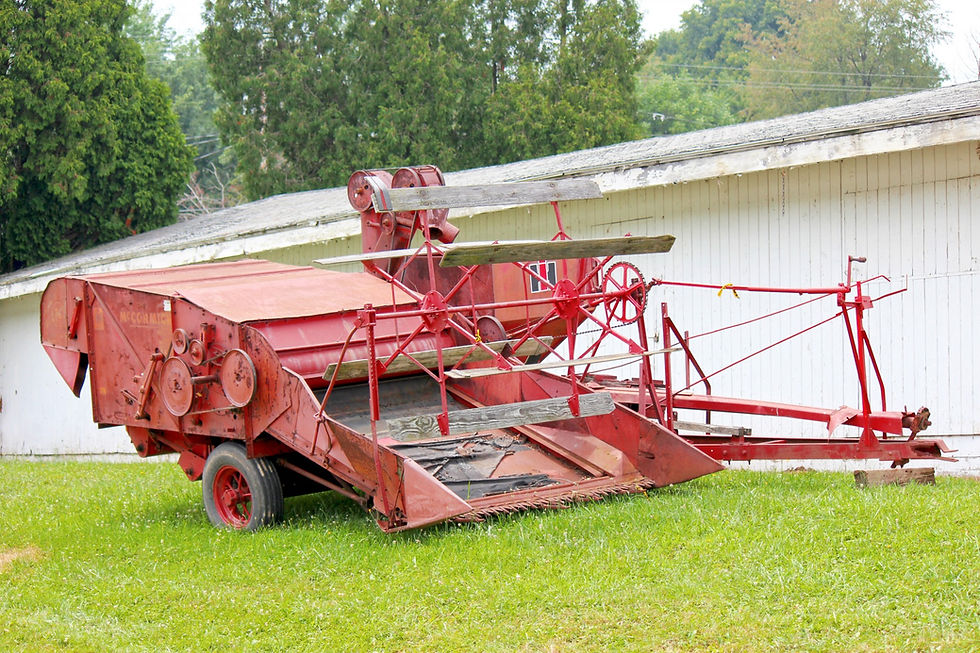
That's why farm equipment insurance in Indiana is such an important part of risk management. The right coverage can help protect expensive machinery, reduce downtime, and provide peace of mind when unexpected losses occur. In this guide, we'll break down what farm equipment insurance is, what it may cover, what affects costs, and what Indiana equipment owners should know before purchasing a policy.
What Is Farm Equipment Insurance?
Farm equipment insurance is coverage designed to help protect agricultural machinery and equipment against certain covered losses. Depending on the policy, it may help cover repair or replacement costs when equipment is damaged, stolen, or destroyed by a covered event.
Many Indiana farms rely on equipment such as:
Tractors
Combines
Balers
Sprayers
Seeders and planters
Utility vehicles
Irrigation equipment
Skid steers
Loaders
Grain handling equipment
Because these machines often represent a significant investment, protecting them can be just as important as protecting farm buildings and crops.
Why Farm Equipment Insurance Matters in Indiana
Indiana's agricultural industry depends heavily on machinery. Planting, harvesting, loading, transporting, and maintaining farmland would be difficult without specialized equipment.
Unfortunately, expensive equipment is exposed to risks every day, including:
Theft
Fire
Vandalism
Severe storms
Wind damage
Hail damage
Equipment rollovers
Transportation accidents
Falling objects
Even equipment stored in a locked building may be vulnerable to weather events or fire. Insurance can help reduce the financial impact of these losses when coverage applies.
Common Types of Farm Equipment Insurance Coverage
Understanding your available coverage options can make it easier to build protection that matches your operation.
Physical Damage Coverage
Physical damage coverage is one of the most common forms of farm equipment insurance.
Depending on your policy, it may provide protection for covered losses involving:
Fire
Theft
Vandalism
Windstorms
Hail
Collision damage
Falling objects
Coverage details vary between policies, so it's important to review exclusions and limitations carefully.
Inland Marine Insurance
The term "inland marine" confuses many equipment owners because it has nothing to do with boats.
Inland marine insurance is designed to cover equipment that moves from one location to another. Since many Indiana farms operate across multiple fields and properties, this coverage may be especially valuable.
Equipment commonly insured through inland marine coverage includes:
Tractors
Implements
Skid steers
Attachments
Portable equipment
Utility machinery
This is often a key coverage for agricultural contractors and operations that regularly transport equipment.
Equipment Breakdown Insurance
Modern farm equipment relies heavily on electronics and advanced mechanical systems.
Equipment breakdown coverage may help with losses resulting from certain covered mechanical or electrical failures.
This coverage is often considered for:
Grain handling systems
Irrigation equipment
Processing equipment
Specialized agricultural machinery
Coverage varies by policy and insurer.
Farm liability insurance protects against a different type of risk.
Liability coverage may help if your operation causes bodily injury or property damage to someone else.
For example:
A visitor gets injured on your property.
Equipment operations damage neighboring property.
Farm activities lead to a covered liability claim.
A liability policy may help with covered legal and settlement expenses depending on the circumstances.

What Equipment Can Be Insured?
Most farm insurance programs can be customized based on the equipment you own.
Tractors
Tractors remain one of the most commonly insured pieces of farm equipment. Coverage may be available for individual units or entire fleets.
Combines and Harvesting Equipment
Combines and harvesters often represent some of the largest equipment investments on a farm. Their importance during harvest season makes protection especially important.
Planters and Seeders
Planting equipment plays a critical role in crop production and is commonly included under farm equipment policies.
Sprayers
Many modern sprayers include advanced technology and specialized components that can be expensive to repair or replace.
Skid Steers and Loaders
These machines are frequently used in both agricultural and land management applications and are often covered through equipment insurance programs.
Does Farm Equipment Insurance Cover Theft?
In many cases, yes.
Theft is a major concern for farm owners because equipment is often stored in remote locations. Tractors, utility vehicles, trailers, and attachments can be attractive targets for criminals.
Coverage for theft depends on:
Policy terms
Equipment location
Security measures
Reporting requirements
To help reduce theft risks, many equipment owners:
Store machinery indoors
Install GPS tracking systems
Maintain equipment inventories
Keep serial number records
Use surveillance cameras when possible
Proper documentation can also make the claims process easier if a theft occurs.
Does Insurance Cover Equipment While It's Being Transported?
It may.
Many Indiana farms move machinery between fields, leased acreage, storage yards, and job sites throughout the year.
While some policies may offer coverage during transport, others may require inland marine insurance or additional endorsements.
If your operation routinely hauls equipment using trailers or trucks, discuss transportation exposures with your insurance agent to ensure your coverage aligns with your activities.
What Affects Farm Equipment Insurance Costs in Indiana?
One of the most common questions equipment owners ask is how much farm equipment insurance costs.
There is no single answer because rates vary based on numerous factors.
Equipment Value
More expensive equipment generally creates a larger potential claim, which can affect insurance costs.
Type of Equipment
A combine, skid steer, and utility tractor each present different levels of risk and exposure.
Equipment Age
Older equipment may have different repair costs and valuation considerations than newer machinery.
Claims History
Businesses with prior insurance claims may be viewed differently than those with clean loss histories.
Storage Conditions
Equipment stored in secure buildings may present different risks than equipment left outdoors year-round.
Geographic Risk Factors
Location-specific concerns such as severe weather, theft exposure, and flood risks can influence pricing.
Deductibles
The deductible is the amount you pay before insurance responds to a covered claim. Different deductible selections may impact premium costs.
Since every operation is unique, obtaining a customized quote is the most accurate way to evaluate potential insurance costs.
Special Considerations for Agricultural Contractors
Many businesses in Indiana use farm equipment for more than traditional farming.
Examples include:
Land clearing
Drainage projects
Site preparation
Excavation support work
Fence installation
Pond construction
Vegetation management
If you perform contracted work for property owners, developers, municipalities, or GCs, your exposures may differ from those of a traditional farm.
You may also need additional coverages such as:
General liability insurance
Commercial auto insurance
Workers' compensation insurance
Contractor equipment insurance
Umbrella liability coverage
Many project owners require COIs before work starts, making proper insurance planning an important part of business operations.
Risk Management Tips for Indiana Equipment Owners
Insurance helps after a covered loss occurs, but prevention remains equally important.
Create Equipment Inventories
Maintain records that include:
Serial numbers
Purchase dates
Photos
Maintenance records
Equipment values
Train Operators Properly
Well-trained operators can help reduce accidents and equipment damage.
Inspect Equipment Regularly
Routine maintenance may help identify small issues before they become major repair concerns.
Strengthen Security
Consider:
Locked storage facilities
Security lighting
Cameras
GPS tracking devices
Review Coverage Annually
Equipment values and business activities frequently change. Annual reviews can help ensure your insurance program remains current.
For Indiana agricultural resources and updates, visit the Indiana State Department of Agriculture:
Additional agricultural safety and farm management resources are available through Purdue Extension:
How to Choose the Right Farm Equipment Insurance Policy
Not all operations have the same insurance needs.
When evaluating coverage, consider:
Total equipment value
Replacement cost concerns
Transportation exposures
Seasonal equipment usage
Storage locations
Theft risks
Liability exposures
Contract requirements
A policy that works well for a small family farm may not provide sufficient protection for an agricultural contractor operating equipment across multiple job sites.
Working with a licensed insurance professional who understands agricultural equipment and contractor risks can help you identify potential coverage gaps before a loss occurs.
Explore more in our blog: Farm Equipment Insurance in Illinois: Requirements and Costs
FAQ
Is farm equipment insurance required in Indiana?
Not always. However, lenders, lease agreements, and project contracts may require insurance. Always verify specific requirements that apply to your operation.
Can older farm equipment be insured?
Yes. Many insurers offer coverage for older tractors and machinery, although valuation methods and coverage options may differ.
Does farm equipment insurance cover weather damage?
Many policies may cover certain weather-related losses such as wind, hail, or fire damage if those causes of loss are included in the policy.
Is equipment covered when transported between properties?
It may be, depending on your policy. Inland marine insurance is commonly used to address mobile equipment exposures.
What's the difference between farm equipment insurance and contractor equipment insurance?
Farm equipment insurance is generally designed for agricultural operations, while contractor equipment insurance is typically intended for construction, excavation, land clearing, and related commercial activities.
Protect Your Farm Equipment Before a Loss Happens
Indiana farms and agricultural businesses rely on expensive equipment every day. From tractors and combines to skid steers and specialty machinery, protecting those assets is an important part of running a successful operation.
The right insurance program may help reduce financial risks and keep your business moving after a covered loss.
If you'd like help reviewing your farm equipment insurance options, request a free quote from Excavating Insurance Partners today:


Comments